
Museo della Bora
The Breath of Trieste
When the windows at Caffè San Marco begin to rattle in their heavy wooden frames, the mood in the room shifts. Conversations pause, and we glance at the streets outside as the air turns sharp and frantic. This is the arrival of the Bora. It is a fierce katabatic wind that defines the climate and character of Trieste. Visitors often ask what is special about Trieste, expecting answers about our Austro-Hungarian architecture or our deep-water port. The truth is much more invisible. Our city is shaped by air. The Bora can reach speeds over 120 kilometers per hour. It dictates how we build our roofs, how we walk down the street, and how we understand our home.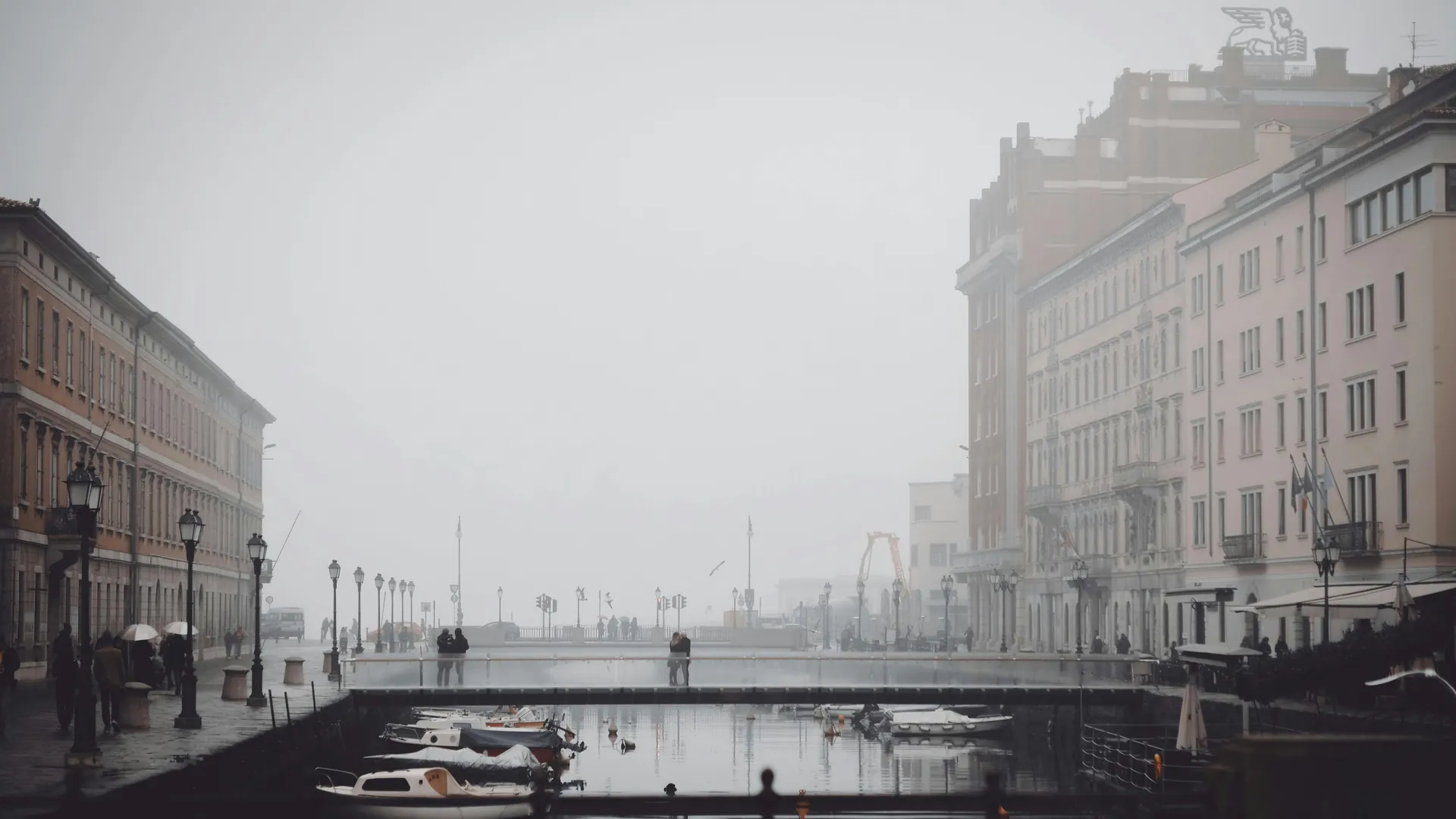
A Museum of “Nothing”
Creating an institution dedicated to an invisible force is an ambitious project, and the Museo della Bora manages to capture an intangible element by giving it a physical space. Rino Lombardi founded this initiative with a very specific vision: he wanted to document the wind as a symbol of our identity. Other cities have monuments of stone or bronze. We have an archive of empty air. It is often considered the most unusual thing to see in Trieste. The space is small and intimate, completely distinct from large state institutions like the Revoltella Museum. You walk into a room that feels part laboratory and part personal study.The concept challenges the traditional idea of what a museum should be. Instead of static paintings, you find a collection of stories, sounds, and objects moved by the wind.
Architecture Shaped by Air
The Bora is not just a weather event; it is an urban planner. When observing the older buildings in the city center, you will notice that the roof tiles are often weighed down with heavy limestone blocks from the Karst. This prevents the wind from tearing the tiles off during a severe storm. The windows are smaller on the sides of buildings that face the northeast, and handrails are bolted into the sides of buildings along particularly steep streets to give pedestrians something to hold onto.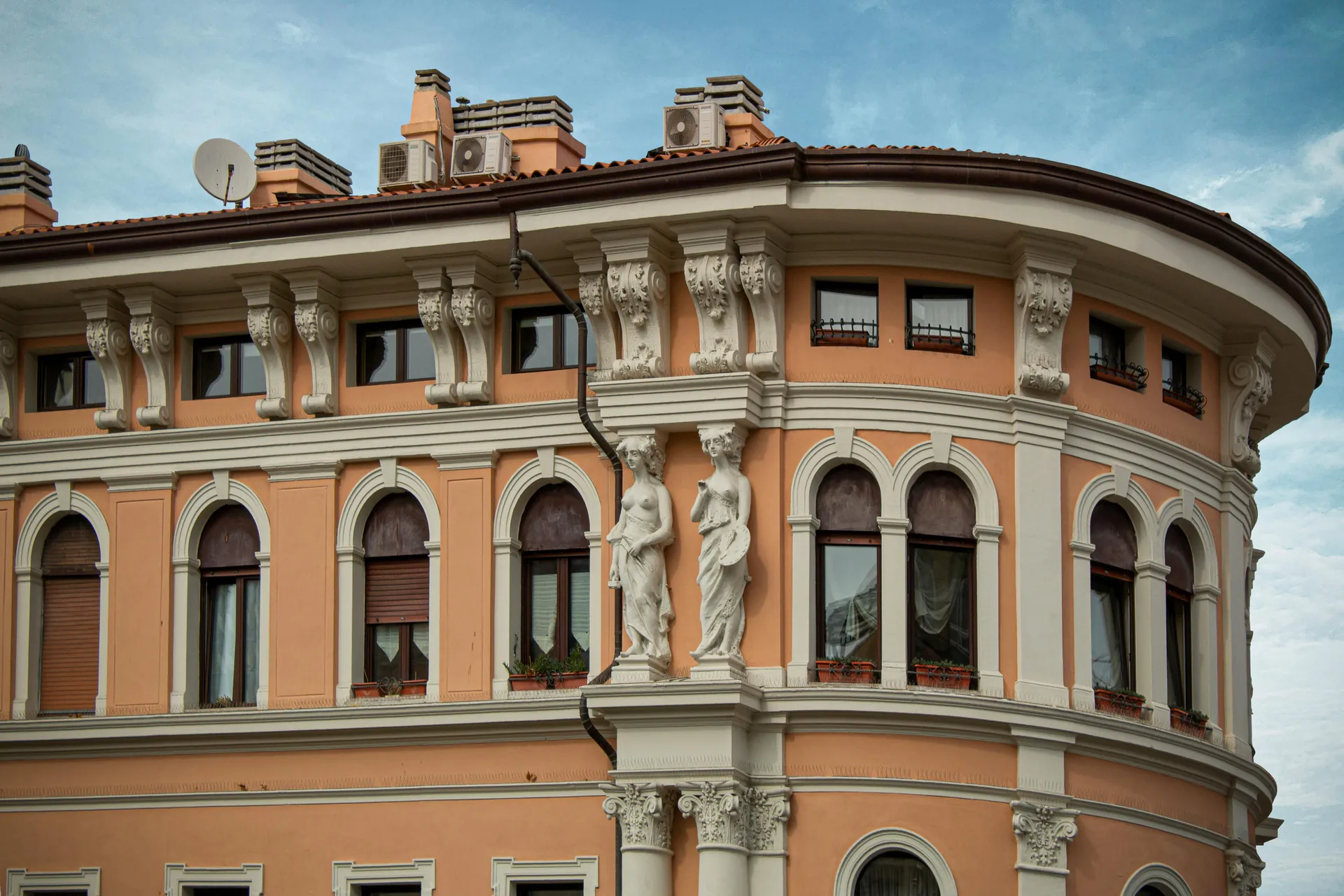
The Collection & The Wind Archive
The museum has a peculiar and fascinating collection of wind-related artifacts. The signature exhibit is the collection of “Wind Bottles.” Visitors and friends of the project send in sealed bottles from all over the world, each one labeled with the name of the wind it contains. You will see a bottle of the Mistral from France sitting next to the Sirocco from North Africa. It is a poetic way to catalog a global phenomenon. The shelves have old weather vanes, broken umbrellas from fierce winter storms, and literary references to the wind by authors like James Joyce and Italo Svevo.
Beyond the curiosities, the facility has serious scientific documentation centered around the Wind Archive. This collection includes the personal papers and instruments of Professor Silvio Polli, a prominent local meteorologist who dedicated his life to studying the Bora. You can examine his historical records, old anemometers with brass cups, and detailed charts tracking wind speeds across different decades. The archive is a repository of memory. It contains photographs of Triestini navigating flooded streets and fighting the gales in Piazza Unità d’Italia.
Interactive Exhibits
Engaging with the wind inside a building requires creative engineering, so the museum uses sound installations to recreate the physical reality of the Bora indoors. You put on a pair of headphones and listen to audio recordings of the wind’s intensity. These recordings capture the high-pitched howl the wind makes when it cuts through the narrow alleys of the Cavana district, a sound every local knows intimately.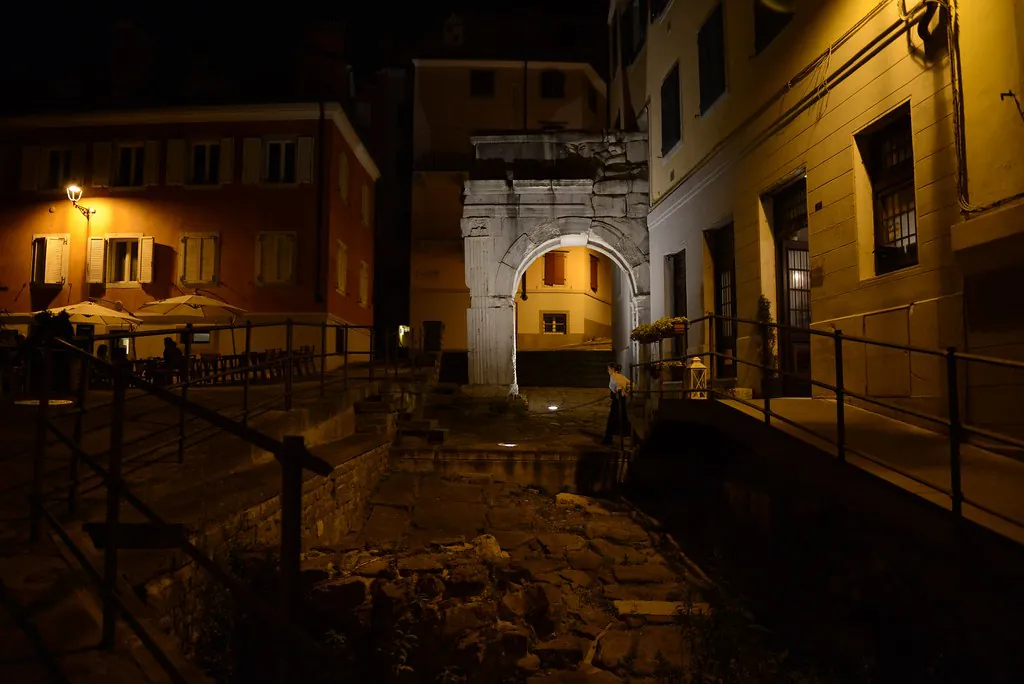
The Psychology of the Wind
There is a local saying that the Bora blows away the clouds and leaves the mind clear. Triestini have a complex emotional relationship with this wind. When the city goes too long without a strong gale, the air feels stagnant, and people grow restless. We complain about the cold, yet we secretly wait for the wind to arrive. The museum explores this psychological aspect through literature and art. The archives hold letters from famous residents who wrote about the manic energy the Bora brings. Stendhal complained about it bitterly while he was stationed here as a consul. James Joyce seemed to draw energy from the chaotic weather. The museum captures these conflicting emotions perfectly, providing a place where you can read personal diaries of citizens documenting their moods alongside the barometric pressure drops.Visitor Logistics
The Museo della Bora does not operate like a standard state gallery. It is a specialized, curator-led institution. You must verify the opening status via the official website or email before planning your visit. The small space can only accomodate a few people at a time.| Category | Details |
|---|---|
| Address | Via Belpoggio, 9, 34123 Trieste, Italy |
| Official Website | museobora.org |
| Pricing & Access | Admission is free. Visits are often by appointment. Checking the official website prior to arrival is mandatory. |
| Nearby Sights | See our Places to Visit guide for nearby attractions. |
The “Bora” Experience & Visitor Tips
Living with the Bora requires a specific set of skills. When the wind is blowing hard, you do not carry an umbrella because the gusts will destroy it in seconds. We wear heavy coats, keep our heads down, and lean into the gales just to cross the street. People often ask if Trieste is a walkable city. The answer is yes, under normal circumstances. The dynamic changes entirely during a strong Bora day. The local public transport system, Trieste Trasporti, frequently adjusts bus routes if certain coastal roads become too dangerous. You should check their updates if you are visiting in the winter. Winter is the coldest time of year and the season when the wind is most frequent.If you want to experience the city properly, you should combine a trip to the museum with a walk out to the Molo Audace. This long stone pier stretches out into the sea, and it is the best place to feel the unbridled power of the wind. Afterward, retreat to a local café or head up to the Karst plateau. We often take shelter in an osmiza. These are traditional farmer’s taverns where locals sell their own wine and cured meats directly to the public. You might wonder what food Trieste is known for. On a freezing, windy day, the answer is always Jota. This is a hearty soup made of pork, beans, and sauerkraut. Sitting in an osmiza with a bowl of Jota and a glass of Vitovska while the wind hammers the stone walls outside is an immensely comforting experience.New arrivals often wonder if Trieste is more Italian or Slovenian. The Bora does not respect borders. It blows across the Slovenian Karst right into the Italian gulf. Our culture is a mix of both. You hear it in the language, you taste it in the food, and you feel it in the air. For those wanting to understand this complex border identity, booking a private Trieste walking tour with a local is an excellent idea. A knowledgeable guide knows exactly which alleys block the wind and which corners expose you to the full force of the gale.When planning your itinerary, consider reading our guide on Places to Visit to see how the museum fits into the broader urban layout. For details on getting around, our Practical Info page has everything you need to navigate the transit system. Whether you are walking along the canal or seeking shelter in a historic café, the wind is always a part of the journey. It is a wind we are all quite used to dealing with.“The Bora is not just a wind; it is the invisible architect of Trieste’s character and history.”