
Parco di Villa Revoltella
The Green Escape Above the Port
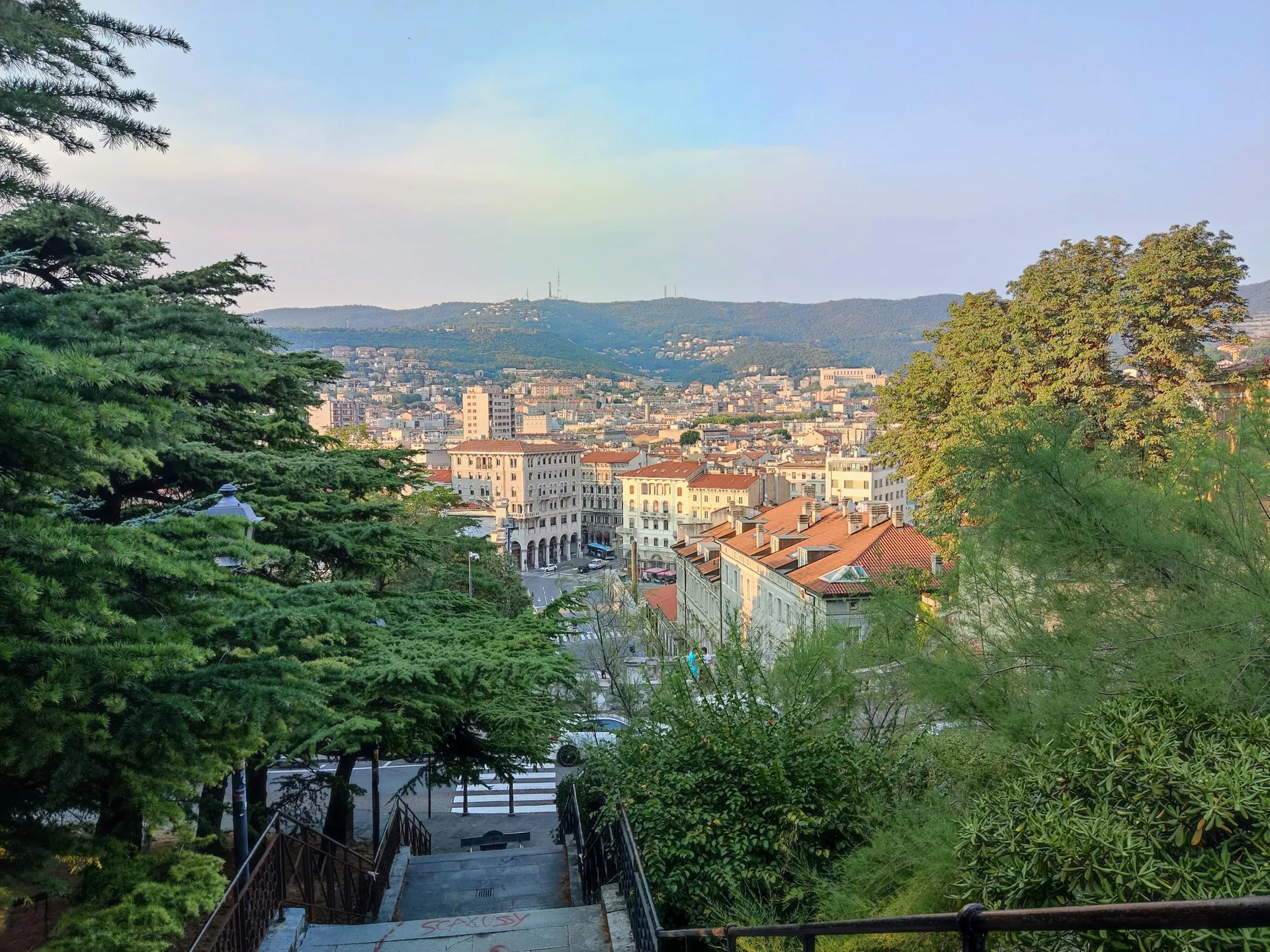
Trieste is a city of stone and sea. When teh summer heat reflects off the pale paving stones of Piazza Unità d’Italia, locals retreat to the hills. Parco di Villa Revoltella is our escape. The transition from the dense urban grid of the lower city to the residential slopes of the Colle del Cacciatore is sharp. You leave behind the noise of the port and enter a quiet, shaded environment. People often ask what is special about Trieste. It is this exact mix of Central European architectural wealth and raw Mediterranean nature. The park is a sweeping expanse of green bequeathed to the municipality in 1869 by Baron Pasquale Revoltella. He was a wealthy entrepreneur with a deep affection for his adopted home.
I often sit near Caffè San Marco with an espresso before taking the bus up the hill. Trieste consumes more coffee per capita than any other Italian city. It is a daily ritual. Taking that energy up into the park changes your perspective on the city. You will not find massive crowds of tourists here. You will find families, joggers, and readers seeking shade under ancient trees. Travelers debating whether the city warrants a detour will find their answer here. The city is rich with public spaces that feel entirely private.
The wind shapes everything in Trieste, from the angle of the pine trees to the architecture of our retreats.
Elena Valli
Historical Roots and Architectural Restraint
Pasquale Revoltella was born in Venice and moved to Trieste as a child. He built a massive fortune in the timber trade and insurance. He was a key financier of the Suez Canal. His wealth allowed him to buy this large tract of land for a summer residence. He hired an architect to design a comfortable, functional house. The resulting building has a rustic Swiss chalet style. It lacks the heavy ornamentation found in the city center palaces. It is a practical building designed for natural cooling.
Upon his death in 1869, he left his winter palace, his art collection, and this summer estate to the city. The terms of his will were strict. The park had to remain open to the public. It is a gift that locals still use daily. The municipality maintains the grounds and occasionally uses the villa for cultural events. You can read his full biography and view his art collection via the official Museo Revoltella archives.
Botanical Layouts and Historic Gardens
The 19th century favored the English landscape garden. Revoltella adopted this style for his estate. He avoided straight lines. He laid out curving paths that follow the natural topography of the hill. The plant collection is highly diverse. You walk past tall Austrian pines and Mediterranean cypresses. The maritime history of the city means merchant ships brought back exotic seeds from the Levant and North Africa. Some of the older palms in the park date back to these early plantings.
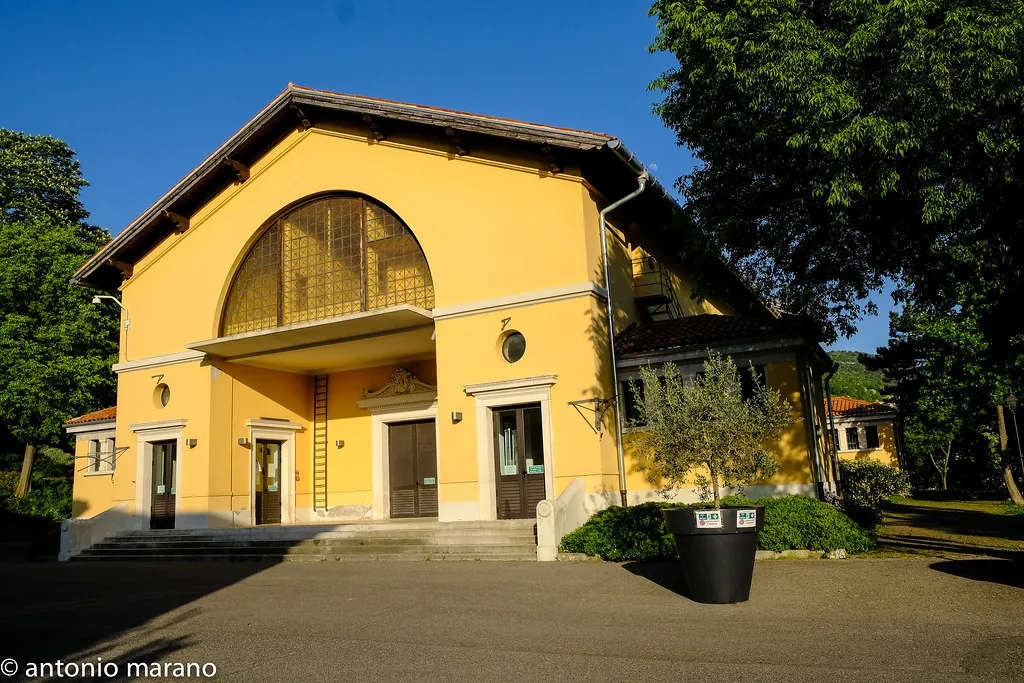
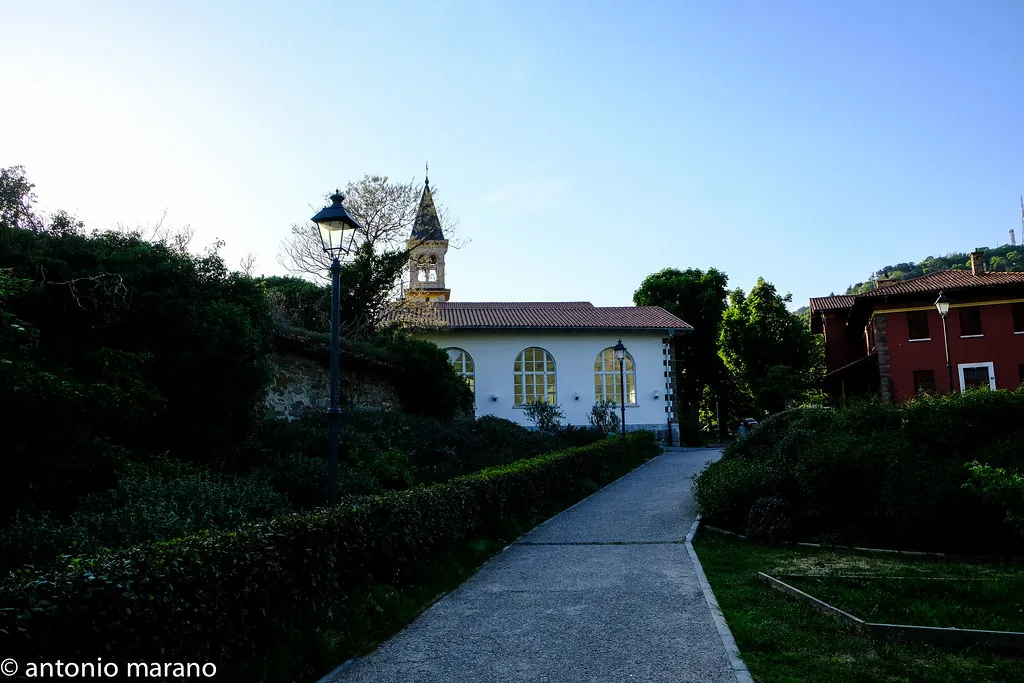
The Medieval Garden is a separate enclosure within the park boundaries. It recreates historical planting methods used in local monasteries. It contains medicinal herbs and classical religious planting structures. It smells strongly of rosemary and sage in the summer. It is a very quiet space to sit and observe the local flora. The Discover Trieste tourism board often lists seasonal blooming times for these specific gardens.
Walking the curving gravel paths, you understand exactly why a 19th-century merchant would choose this hill over the crowded port below.
La Fattoria and the Upper Terraces
Families spend most of their time on the upper terraces. The municipality maintains La Fattoria in this section. It is a small farmhouse area with animal enclosures. They keep donkeys and goats. It is a simple attraction. It remains incredibly popular with local children on weekend mornings. It feels entirely disconnected from the industrial port city below. It is a slice of rural life preserved within the city limits.
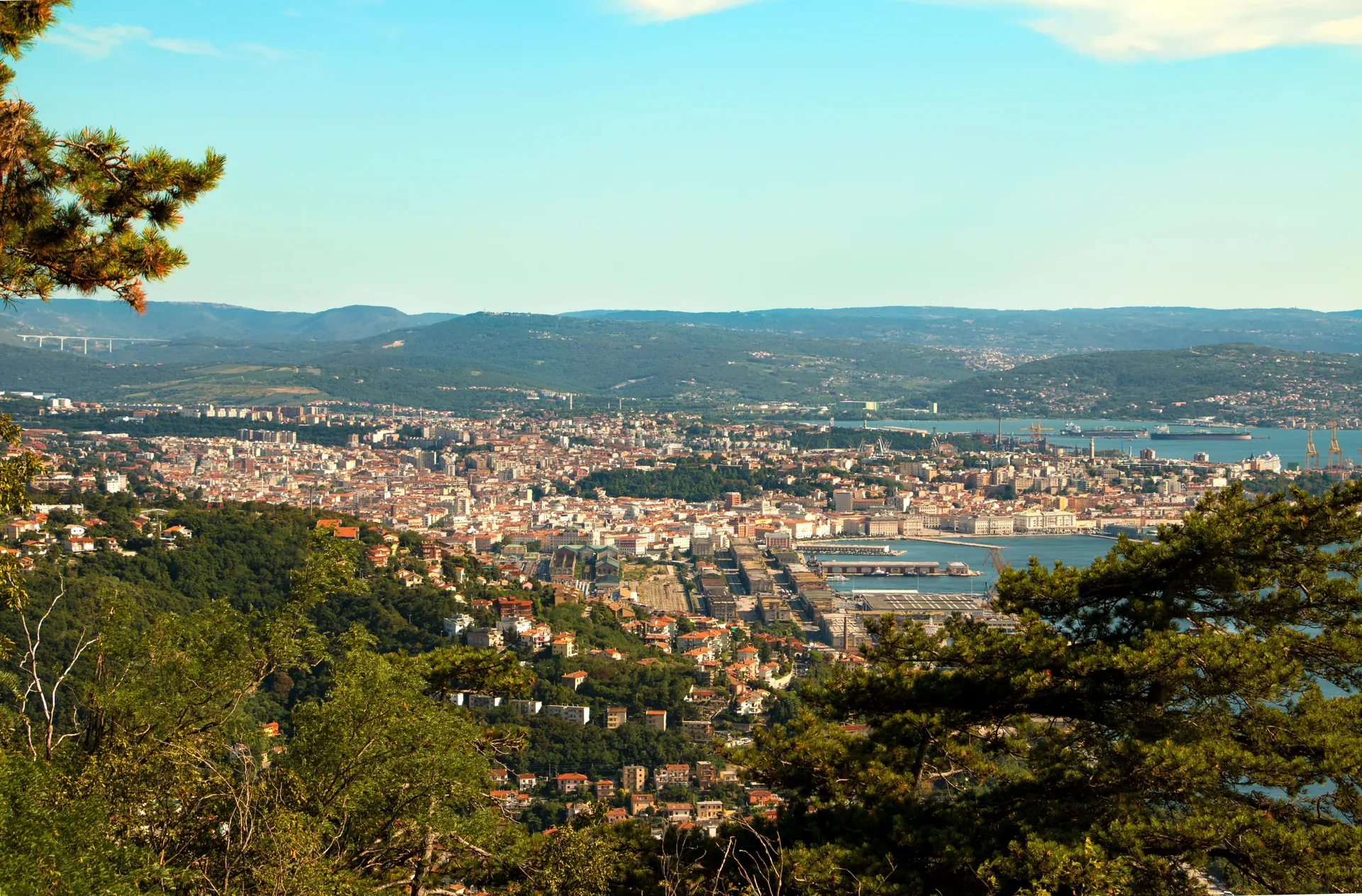
The paths around the farmhouse are wide. They are covered in fine gravel. Many travelers wonder if Trieste is a walkable city. The historic center around the Grand Canal is entirely flat and easy to navigate on foot. The residential neighborhoods are built on steep hills. You need to rely on the local bus network to reach elevated places like this park. The effort is worth it. The trees here have thick trunks shaped by the Bora. The Bora is our local wind that blows down from the Karst plateau. The upper terraces have the best views of the Adriatic, which is something I always tell my friends to look out for.
Practical Advice and Transit Options
Getting here requires a short ride from the city center. You catch Line 25 or 26. The buses run frequently. You can check the current timetables directly on the Trieste Trasporti portal. If you prefer a guided experience in the historic center before heading up to the park, you can easily book a walking tour with a local guide. The park is on a slope, so wear comfortable walking shoes.
Travelers often debate whether Venice or Trieste is better for a weekend trip. Venice has the canals and the global fame. Trieste has space, quiet cafes, and parks like this where you are the only foreigner. It is a place where you can truely relax. If you visit in the colder months, you might wonder what the coldest month in Trieste is. January brings the most intense periods of the Bora wind. The park remains open, but you need a heavy coat.
Park Facilities Overview
| Official Name | Parco di Villa Revoltella |
| Location | Via de Marchesetti, 34142 Trieste, Italy |
| Entrance Fee | Free entry for all public areas |
| Opening Hours | Daily from morning until sunset (Check Comune di Trieste for seasonal hours) |
| Public Transport | Bus Lines 25 and 26 from the city center |
| Key Features | Medieval Garden, La Fattoria (Farmhouse), Panoramic viewpoints |
Exploring Beyond the Park Gates
Early morning is the best time to visit the park. The light filters through the pine canopy. You avoid the afternoon heat during the summer months. After walking the grounds, you will be hungry. Visitors often ask what food Trieste is known for. The culinary scene leans heavily on its Austro-Hungarian past. A bowl of jota is perfect after an autumn walk here. It is a thick soup made of sauerkraut, beans, and pork. You can often find it at a nearby traditional buffet. An osmiza is a temporary farm-to-table tavern unique to the Karst plateau. Farmers open their doors to sell homemade wine and cured meats.
Trieste sits right at the edge of Italy. How far is Trieste from the Slovenia border? You can drive to the border in less than twenty minutes from the park gates. This proximity explains the bilingual street signs in some surrounding villages. Many visitors take advantage of this location to book a day trip to Postojna Cave and Predjama Castle.
- Wear sturdy shoes for the gravel paths and steep inclines.
- Bring a camera for the panoramic views of the Adriatic Sea from the upper terraces.
- Check the weather forecast for high winds during the winter months.
- Visit the Italian Garden for a quiet reading spot away from the main paths.
I highly recommend combining this park visit with other historical sites later in the day. You can find more ideas in our guide to places to visit in Trieste. For those planning broader itineraries, check out our top activities and tours. If you want a dedicated vehicle to explore the wider region, a private sightseeing tour is a convenient option to navigate the steep residential roads.
If you are still finalizing your travel plans and need a place to stay near the city center or the surrounding hills, use the search tool below to find local accommodations.