
Day Trips & Excursions

Experience Slovenian Coast line with Wine Tasting from Trieste
⭐ Experience Experience
🔥 Booked 7 times today

Full Day Venice Shore Excursion from Trieste
⭐ Full Experience
🔥 Recommended for high-season travel

Postojna Cave and Predjama Castle Day Trip from Trieste
⭐ Postojna Experience
🔥 Bestseller in 2026

Postojna Cave and Predjama Castle – Private Tour from Trieste
⭐ Postojna Experience
🔥 Professional local guide included

Lake Bled and Ljubljana Tour from Trieste
⭐ Lake Experience
🔥 Over 194 reviews – Verified quality

Postojna Cave & Predjama Castle excursion – Entrance fee included
⭐ Postojna Experience
🔥 Free cancellation for flexible planning

Postojna Cave & Predjama Castle from Trieste
⭐ Postojna Experience
🔥 Instant confirmation after booking

Piran & Panoramic Slovenian Coast from Trieste
⭐ Piran Experience
🔥 Top Choice in Trieste, Italy

Postojna Cave & Predjama Castle – Small Group Tour from Trieste
⭐ Postojna Experience
🔥 Top Choice in Trieste, Italy

Full day tour to Lake Bled & Ljubljana from Trieste-private tour
⭐ Full Experience
🔥 Booked 14 times today

Full Day Venice Tour from Trieste Boat Ride and Walking Tour
⭐ Full Experience
🔥 Booked 13 times today

Skocjanske Caves Unesco Site – Private Tour from Trieste
⭐ Skocjanske Experience
🔥 Booked 14 times today

Full Day Venice Tour from Trieste for First Time Cruise Visitors
⭐ Full Experience
🔥 High demand: 21 people viewed today

Deluxe Venice Shore Excursion from Trieste Cruise Port
⭐ Deluxe Experience
🔥 Booked 3 times today

Venice Shore Excursion and Canal Cruise from Trieste
⭐ Venice Experience
🔥 Recommended for high-season travel

Land and Sea Riviera Koper, Izola and Piran with Tastings
⭐ Land Experience
🔥 Instant confirmation after booking

Shore Excursion/Private – Postojna Cave and Ljubljana from Koper
⭐ Shore Experience
🔥 Likely to sell out soon!

Postojna Cave & Predjama Castle – Shore Excursion from Trieste
⭐ Postojna Experience
🔥 Recommended for high-season travel

Lake Bled & Ljubljana – Shore Excursion from Trieste
⭐ Lake Experience
🔥 Top Choice in Trieste, Italy

Prosecco’s Roots & the Karst Region from Trieste
⭐ Prosecco’s Experience
🔥 Professional local guide included

Best Venice Shore Excursion from Trieste Cruise Port
⭐ Best Experience
🔥 Professional local guide included

Prosecco Origins Wine Experience
⭐ Prosecco Experience
🔥 Instant confirmation after booking

Lipica Stud Farm & Skocjan Caves – Small Group Tour from Trieste
⭐ Lipica Experience
🔥 Instant confirmation after booking

Predjama Castle and Postojna Cave from Trieste Private Tour
⭐ Predjama Experience
🔥 Instant confirmation after booking

Magic Lake Bled & Charming Ljubljana from Trieste
⭐ Magic Experience
🔥 Exceptional 4.9/5 rating
Beyond the City Limits: Trieste as a Gateway
Trieste is a crossroads of cultures. It sits precisely where the Adriatic Sea meets the rugged Karst plateau and the borders of Central Europe. This geography makes the city a logical base for day trips. You can easily reach imperial residences, wild nature reserves, and neighboring countries in less than an hour. Many travelers ask if they can visit Slovenia from Trieste. The answer is yes. The Slovenian border is just a short bus ride away, and the Croatian border is roughly 40 kilometers to the south. You can comfortably have breakfast in Italy, lunch in Slovenia, and an afternoon coffee in Croatia.
Before leaving the city center, many people wonder: is Trieste a walkable city? The downtown grid and the waterfront are flat and easy to navigate on foot. The surrounding province requires a mix of regional buses, trains, and a good pair of walking shoes. Our public transit system is efficient, and the routes running along the coast or up into the hills offer beautiful views of the water.
The Coastal Jewel: Miramare Castle

Archduke Ferdinand Maximilian of Austria built teh castle in the 19th century. The white-stone building sits on a rocky promontory above the Gulf of Trieste. It is a quiet place surrounded by extensive botanical gardens. Maximilian designed the grounds himself, importing rare tree species from his travels around the world. He lived here with his wife, Charlotte of Belgium, before accepting the crown of Emperor of Mexico. His subsequent execution in Querétaro left the castle to a succession of other Habsburgs.
The interior remains largely intact. You can walk through the original bedrooms, the throne room, and the wood-paneled library. The windows look directly down into the clear water. Outside, the gardens transition from formal Italian geometric flowerbeds to a dense English romantic forest. The official Miramare Museum website has current admission hours and ticket prices. The regional tourism board, PromoTurismoFVG, also maintains updated schedules for the seasonal ferry that connects the city waterfront directly to the castle pier.
Miramare is a monument to a man who loved the sea more than he loved the safety of the imperial court.
Underground Mysteries: Kleine Berlin
Underneath the streets of the city is Kleine Berlin. The city authorities and the German army constructed this complex of air-raid tunnels during World War II. It provides a sobering look at wartime history. The damp air and long corridors remind visitors of a difficult past. The tunnel system is divided into two distinct sectors. The Italian sector consists of a network of tunnels built for the civilian population. The German sector is a complex structure consisting of a long tunnel with intersecting perpendicular stations designed exclusively for military personnel.
Nature is slowly reclaiming the concrete. Small stalactites form on the ceilings due to water filtering down from the hills above. Guided tours operate on a limited schedule, usually organized by local speleological groups. You must book in advance. The entrance is unassuming, located right on Via Fabio Severo, completely hidden from the daily traffic passing just a few meters away.
Nature’s Playground: Val Rosandra Nature Reserve
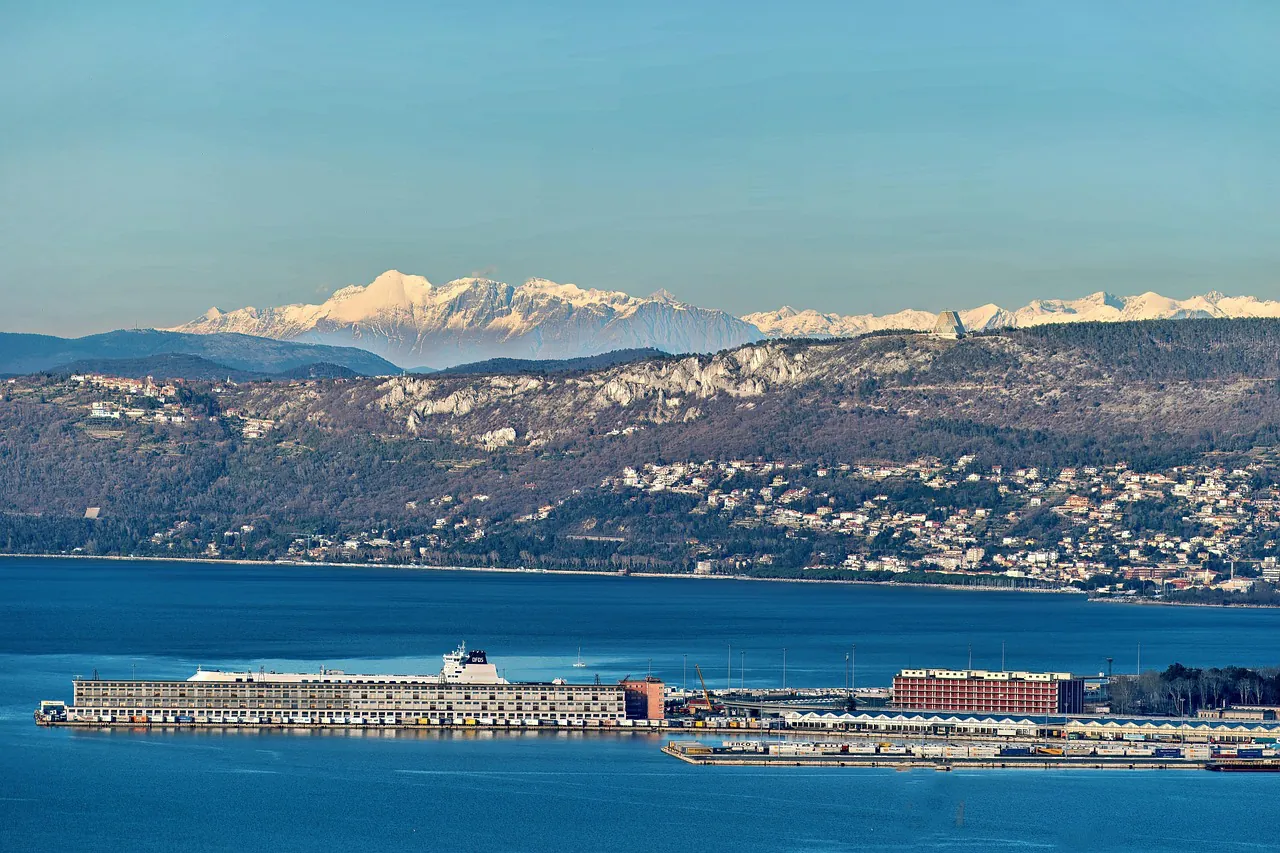
Val Rosandra is the valley I always tell visitors to go to. It is a rugged nature reserve in the San Dorligo della Valle municipality. The environment here feels entirely different from the coastal center. The rock formations are harsh, and the air smells of wild sumac and thyme. A small river cuts through the limestone, creating a 40-meter waterfall that cascades into deep, cold pools.
Hiking the Valley
The main trail follows the path of a dismantled railway line. It is wide, relatively flat, and suitable for all fitness levels. Along the way, you pass the remains of a Roman aqueduct that once supplied water to the ancient city of Tergeste. Rock climbers frequent the vertical cliff faces on the opposite side of the gorge.
Vedetta di San Lorenzo
If you want the best photograph of the reserve, drive or hike up to the Vedetta di San Lorenzo. This lookout point provides a high-altitude perspective of the entire gorge, stretching all the way down to the blue line of the Adriatic. It is particularly beautiful in the late afternoon when the limestone glows orange.
The Karst Ecosystem: Speleovivarium Erwin Pichl
The Karst plateau above the city is famous for its caves. The Speleovivarium Erwin Pichl is located in a former air-raid shelter on Via Guido Reni. The museum is dedicated to the study of the olm (*Proteus anguinus*). This pale, blind amphibian is known locally as the “human fish” due to its skin tone. The olm lives exclusively in the underground rivers of the Dinaric Karst. It can survive for years without food and lives for decades in complete darkness.
The speleovivarium recreates the exact temperature and humidity of the deep caves. It is a quiet, educational space maintained by passionate local volunteers. They explain the fragile nature of the underground ecosystem and the history of cave exploration in the region.
Excursions in Time: The Inner City
Sometimes an excursion is just a short walk that transports you to a different century. Trieste has several specific locations that function as time capsules. They require only an hour of your day but offer a deep understanding of the local character.
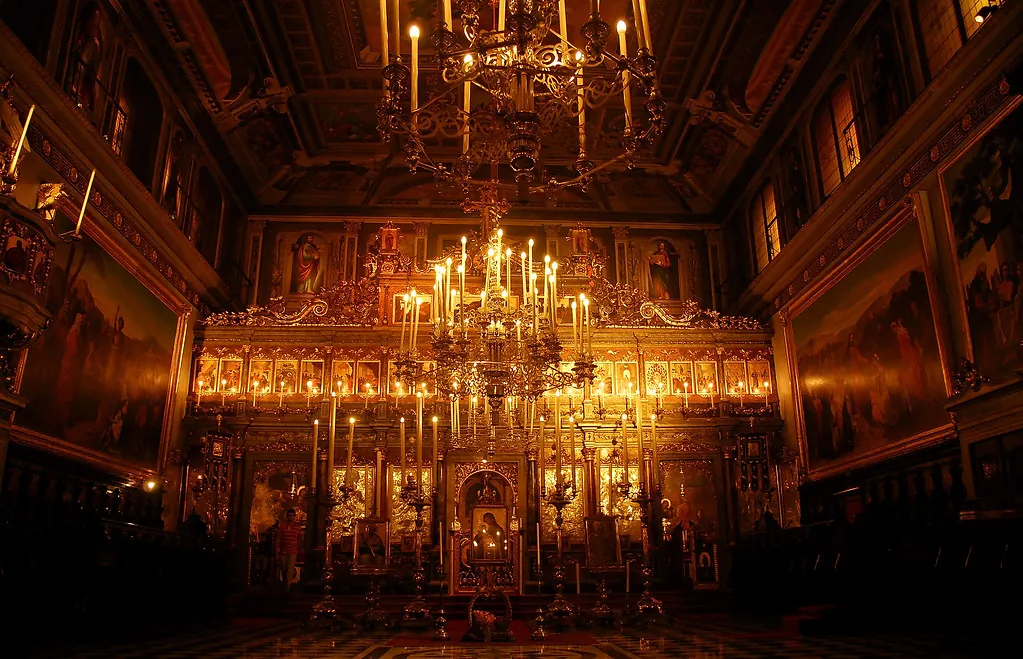
The Tempio Serbo-Ortodosso della Santissima Trinità e di San Spiridione is located on Via S. Spiridione. It is a Byzantine-style church with massive silver domes. The interior is covered in rich, gold-leaf mosaics. The church reflects the historical wealth of the Serbian merchant community that helped build the modern port.
A few streets away is the Libreria Antiquaria Umberto Saba on Via S. Nicolò. The poet Umberto Saba owned this antiquarian bookshop for decades. The dark wood shelves sag under the weight of rare editions and historical prints. The atmosphere is heavy with the smell of old paper and dust. It is a gathering place for writers and historians.
Nearby, on Piazza San Giovanni, is Drogheria Toso. This shop has been open since 1906. The original wooden counters and glass display cabinets are still in use. The shelves hold rows of glass jars filled with exotic spices, loose-leaf teas, and natural sea sponges. It is a direct link to the city’s past as the primary maritime trading hub of the Austro-Hungarian Empire.
Crossing Borders: Slovenia and the Caves
A trip to this region often involves crossing international lines. Many visitors book a Postojna Cave and Predjama Castle Day Trip. Postojna is one of the largest and most accessible cave systems in the world. An electric train takes you deep underground through massive halls of stalactites and stalagmites. Predjama Castle is built directly into the mouth of a sheer cliff face just a few kilometers away. You can verify opening times and seasonal events directly on the official Postojna Cave portal.
If you prefer the coast, consider a Piran walking tour. Piran is a picturesque Slovenian town with strong Venetian architectural influences. The narrow alleys wrap around a central peninsula, ending at a small lighthouse. The drive from Trieste to Piran takes less than forty minutes and follows the edge of the sea the entire way.
Practical Tips for Day Trippers
Planning your excursions requires some local knowledge. The local bus network, managed by Trieste Trasporti, connects the central train station to Miramare and Val Rosandra. You can buy your tickets at a tobacco shop, via their mobile app, or by using a contactless credit card or smartphone directly on the bus; drivers do not sell paper tickets.
- Weather and the Bora: The coldest month in Trieste is January. The Bora wind blows hard off the plateau during the winter months, sometimes exceeding 100 kilometers per hour. You need a windproof jacket, not an umbrella. The wind clears the air, leaving the sky incredibly bright.
- Summer Conditions: Summer brings high heat. Are there mosquitoes in Trieste? Yes, especially near the coastal parks and the botanical gardens at dusk. Carry a standard repellent if you plan to walk near the water in the evening.
- Dining Etiquette: Many foreigners ask: is it rude not to tip in Italy? Service is generally included in the bill. Leaving an extra euro or two for exceptional service is appreciated but never mandatory. Do not cut your spaghetti with a knife; simply twirl it on your fork against the plate.
- The Osmiza Tradition: In the spring and fall, local families on the Karst open their farmhouses to the public. These temporary taverns are called osmize. They sell their own wine, hard-boiled eggs, and cured meats. You find them by following leafy branches hung at crossroads.
To truly understand this province, you must leave the grand piazzas, feel the wind on the plateau, and drink rough wine in a farmer’s courtyard.
Elena Valli
For more detailed transit logistics and ferry schedules, visit our Practical Info page. To explore city-center itineraries and historical walking routes, check our Places to Visit guide.