
Caffè Tommaseo
Shelter from the Bora
The Bora wind shapes life in Trieste. When it sweeps down from the Karst plateau at over one hundred kilometers per hour and whips the sea into whitecaps along the Riva, locals seek refuge indoors. Since 1830, Caffè Tommaseo is the sanctuary of choice. It is the oldest continuously operating coffeehouse in the city. The space is a living archive of Central European history. You step through the heavy wooden doors and immediately feel the shift in atmosphere. The air smells of roasted coffee beans and aged wood. It feels entirely removed from the modern rush outside.
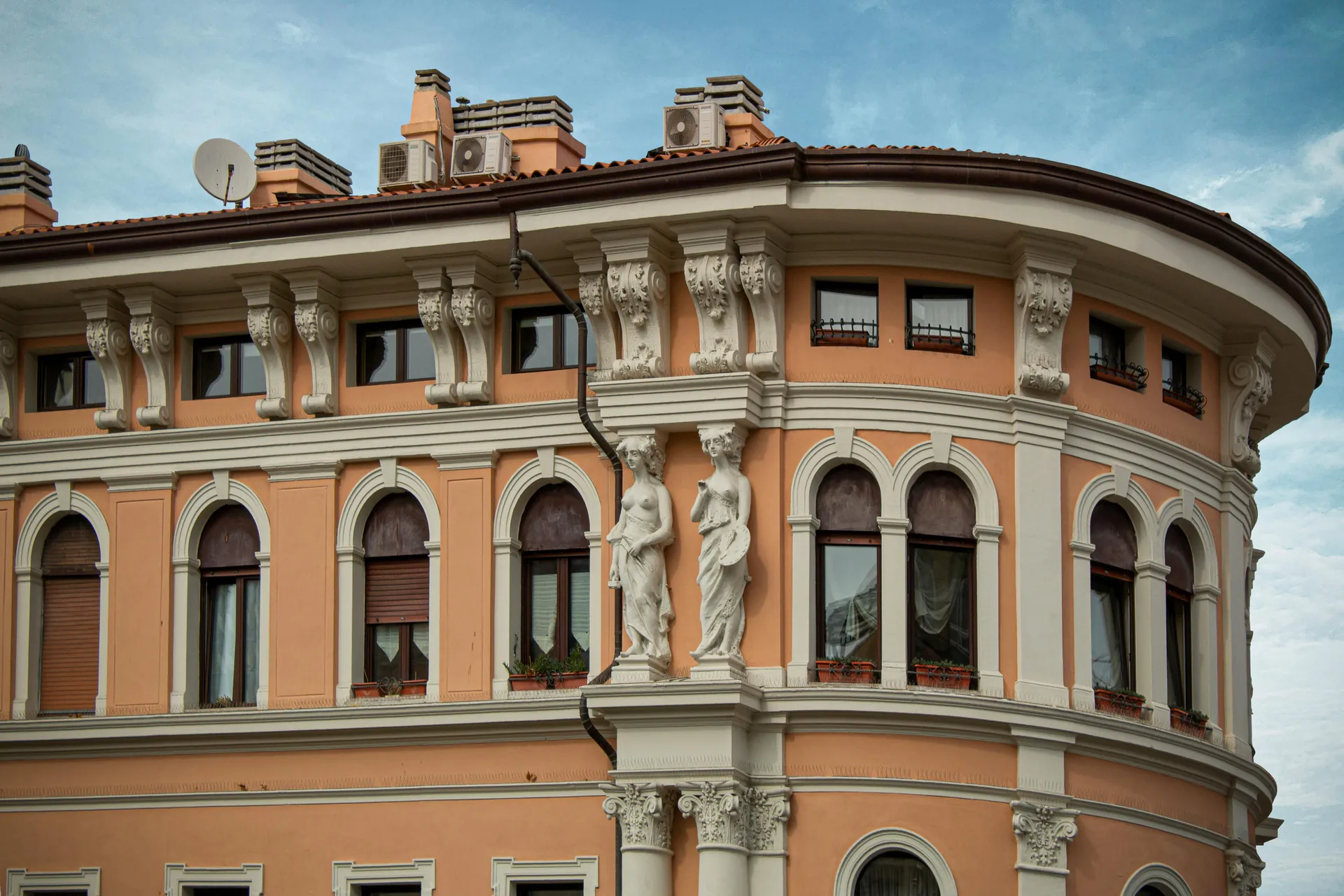
The Legacy of 1830
Tomaso Marcato arrived from Padua and opened the doors to this establishment. He originally called it Caffè Tomaso. He recognized the rising merchant class of Trieste needed a comfortable location to conduct business and read the international press. Marcato imported massive wall mirrors from Belgium. Getting these fragile panes across Europe in the early 19th century was a massive logistical undertaking. The soft light of the gas lamps reflected off these mirrors to illuminate the plaster stucco work on the ceiling. He also introduced ice cream to Trieste. This novelty drew crowds from across the region. The cafe quickly outgrew its origins as a simple coffee room. It became an institution for the wealthy elite. You can read more about the city’s broader maritime and commercial rise through the Official Trieste Tourism Portal.
Intellectuals and Irredentism
In the mid-19th century, the café took on a new name in honor of the Dalmatian intellectual Niccolò Tommaseo. It became the unofficial headquarters for the Irredentisti. These citizens wanted to detach Trieste from the Austro-Hungarian Empire and unite it with Italy. Secret messages passed between tables while the Austrian police kept a close watch on the patrons. The tension of that era remains in the walls. The waiters learned to be entirely discreet.
Decades later, the clientele shifted from political revolutionaries to literary giants. James Joyce was a frequent guest during his long stint in Trieste. Italo Svevo and Umberto Saba drank their espresso here while drafting manuscripts. The Museo Sveviano and Joyce Museum holds extensive records of their time in the city. Sitting in the actual room where they argued over literature brings the past into sharp focus. The tables they sat at are the history they were a part of. The creative energy of the 20th century is palpable in the quiet corners of the main dining room.

Visitor Logistics
| Category | Details |
|---|---|
| Location | Piazza Tommaseo, 4/c, 34121 Trieste |
| Opening Hours | Daily 08:00 to 23:00 |
| Best Time to Visit | Mid-morning for coffee or late afternoon for aperitivo |
| Dress Code | Smart Casual |
| Cuisine | Triestine and Austrian-influenced pastries |
The Modern Experience
Caffè Tommaseo is a fully functioning restaurant and café today. The menu reflects the cultural intersections of Trieste. You will find traditional Italian dishes sitting alongside rich Austrian-inspired desserts. Travelers often ask what the traditional dessert of Trieste is. The answer usually involves a slice of dense Sacher torte or a warm apple strudel. This is a direct inheritance from the Habsburg era. While a rustic Karst osmiza is perfect for a weekend afternoon of wine and cheese, Caffè Tommaseo is the undisputed choice for a sophisticated city evening.
Trieste drinks more coffee per capita than any other city in Italy. Sitting at Caffè Tommaseo with a capo in b is a highly authentic way to participate in this daily ritual.
Ordering coffee in Trieste requires a specific vocabulary. A standard espresso in the rest of Italy is a nero here. An espresso macchiato in a small glass is a capo in b. The waiters at Tommaseo serve these drinks on silver trays with small glasses of water. The price is higher than a standard corner bar. You pay for teh setting and the meticulous historical preservation. As the afternoon fades, the coffee cups are replaced by elegant wine glasses for the evening aperitivo. The transition from day to night is seamless. For a broader look at the city’s culinary scene, the Trieste City Guide has excellent dining recommendations.
Practical Tips and Nearby Exploration
Trieste is an exceptionally walkable city. Caffè Tommaseo sits just steps away from the waterfront and the Molo Audace. After a morning coffee, you can easily stroll over to Piazza Unità d’Italia. I recommend reviewing our guide on places to visit in Trieste to plan your route around the historic center. The flat terrain near the sea makes it easy to explore on foot.
The café fills up quickly on weekends. Mid-morning on a Tuesday or Wednesday is a quieter time. If you are interested in guided exploration, our top activities and tours page covers several walking itineraries that pass right by this square. The preservation of sites like Tommaseo is supported by organizations like the Italian Ministry of Culture, meaning the 19th-century aesthetic remains intact. Before you sit down, you might want to brush up on local tipping customs on our practical info page. The service charge is usually included on the bill.