
Bagno Marino La Lanterna (El Pedocin)
A Wall in the Adriatic Sea
A three-meter white wall cuts directly across the pebble beach and straight into the Adriatic Sea. You will not find this anywhere else in Europe. This is Bagno Marino La Lanterna. We all call it El Pedocin. I have spent summers here since childhood. It is a place locals are fiercely protective of.
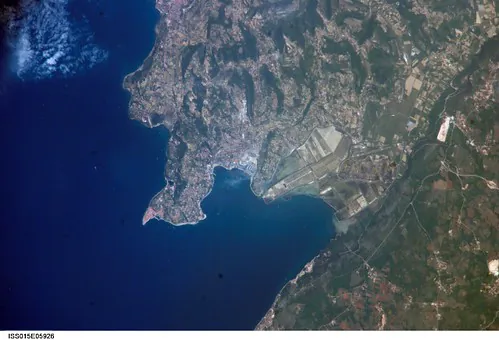
Trieste is a city defined by anomalies. Our architecture feels more like Vienna than Rome. We drink our coffee in glasses rather than ceramic cups. We seek shelter from the fierce, freezing Bora wind in winter, yet we flock to a gender-segregated municipal beach the moment the summer heat arrives. The wall at El Pedocin separates men on one side from women and children on the other. It is an enduring piece of our civic identity.
The Origins of the Divide
The Austro-Hungarian empire built this municipal bathhouse in the early 20th century. Trieste was the primary seaport for the empire. The strict gender separation was standard practice for public bathing facilities under Emperor Franz Joseph. The mystery is why this specific wall remains standing today, long after similar barriers across Europe fell.
The city held local votes to determine the fate of the wall. The women of Trieste voted overwhelmingly to keep it. The official regulations and historical maintenance records are still managed closely by the municipality, detailed extensively on the comune.trieste.it public portal. The wall provides a distinct kind of freedom. Women of all ages sunbathe comfortably, completely removed from the male gaze. They change clothes in the open. They speak loudly in the Triestine dialect.
El Pedocin is our outdoor living room. The sea is secondary to the conversation.
The name Pedocin has debated origins. Some older locals claim it references the small mussels (pedoci) that once clung to the rocks. Others insist it refers to a time when the facility was used to delouse soldiers during the war, acting as a sanitary checkpoint. Today, it is simply an affordable escape from the city heat.
The Dual Atmosphere of El Pedocin
The Women’s Section
The space designated for women and children is intensely social. Grandmothers set up folding aluminum chairs in the shallow water. They gather over worn decks of playing cards. They discuss the news, neighborhood gossip, and the rising cost of groceries. Space is limited. Towels overlap on the concrete platforms and the small stretch of pebbles. It is a loud environment. Children run between the changing cabins while mothers pass around slices of melon and cold drinks.
The Men’s Section
The atmosphere shifts completely on the other side of the wall. The men’s section is quiet. Men sit alone reading the local Il Piccolo newspaper. They debate politics in low voices. Many stare out at the horizon toward the commercial port. There is a rigid, unspoken etiquette here. You do not play loud music. You do not splash. You swim your laps, dry off in the sun, and leave.
Practical Information and Entry Protocols
Trieste is known as an affordable city compared to Milan or Florence. El Pedocin is the ultimate example of this accessibility. The municipality subsidizes the facility heavily. You pay your fee at a small ticket window near the gate. You must declare whether you are entering the men’s or women’s side, though the physical entrances make this obvious.
| Category | Details |
|---|---|
| Operating Season | May 1st through September 30th |
| Standard Hours | 07:30 to 19:30 daily (Subject to weather) |
| Single Entry Fee | €1.20 per person |
| Seasonal Subscription | Available for residents at the municipal office |
| Children | Under 12 enter the women’s section (boys included up to a certain age limit) |
You can find comprehensive transport schedules to reach the beach area on our Practical Info page. The local transit authority, TPL FVG, runs frequent buses (typically the Number 8) from the central train station directly to the waterfront.
Facilities and Daily Rhythms
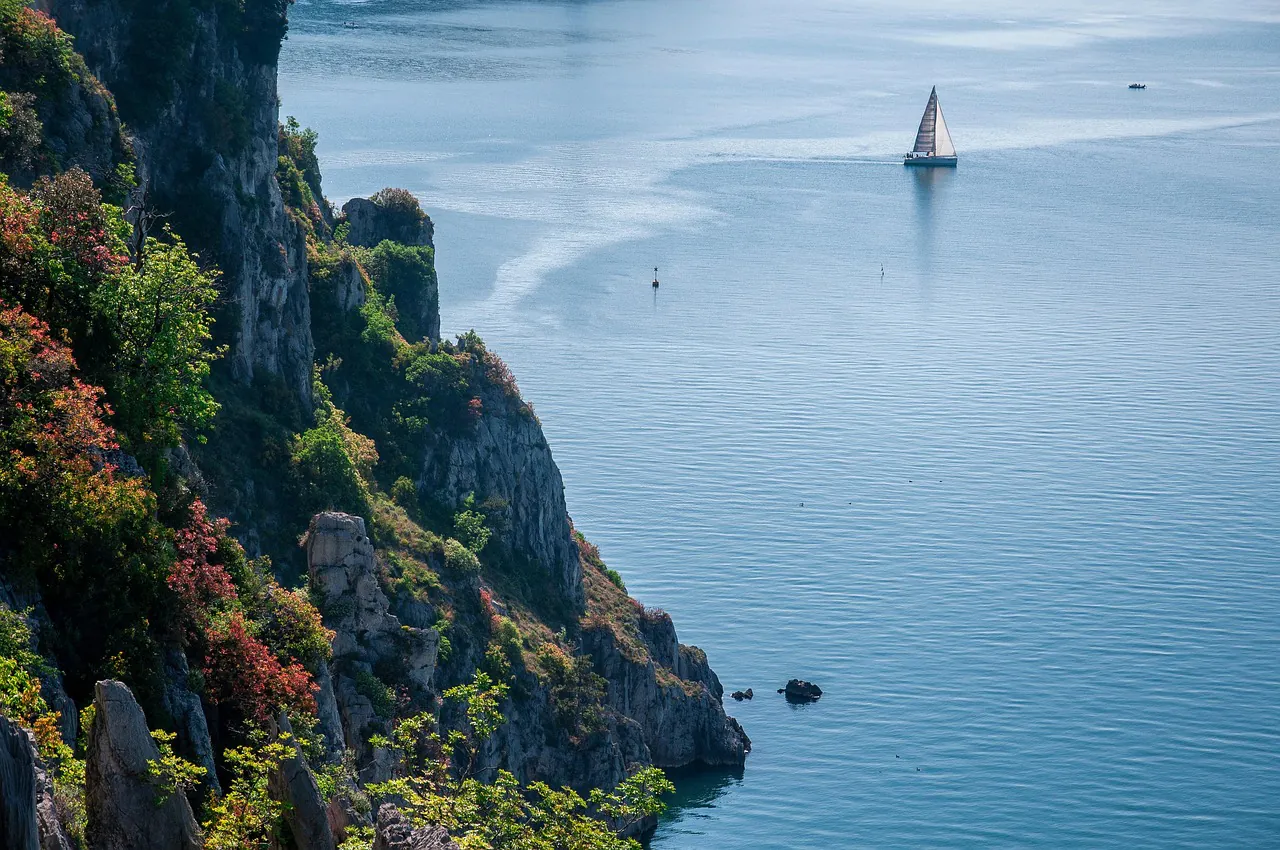
Do not expect luxury. The infrastructure is distinctly utilitarian. A long row of white changing cabins lines the perimeter of both sections. Many of these cabins are rented for the entire season by local families who store their chairs, umbrellas, and playing cards inside.
The showers run cold. They are entirely outdoors. The tap water in Trieste is perfectly safe to drink, and you will see locals filling plastic bottles at the small public fountains near the showers. The water in the gulf is generally clean, though it lacks the crystalline clarity of southern Italy due to the busy commercial port nearby. The seabed drops off quickly into dark blue water.
There is a small kiosk near the entrance. It sells very cheap coffee, bottled water, and Aperol spritz in plastic cups. For a deeper exploration of our culinary traditions beyond beach snacks, I recommend booking the Trieste: Unique Food Tour with Local Flavors in the late afternoon. It is a good transition from the salt water to the city center.
Timing Your Visit
The beach opens early. The early morning hours belong to the elderly residents. They arrive when the gates unlock, claiming their preferred spots against the wall. The morning air is cool, and the sea is completely flat.
By midday, teenagers and university students arrive. The noise level rises significantly. Finding an empty patch of concrete becomes difficult. If you visit in the late afternoon, the crowds thin out. The light softens over the Adriatic. You should bring insect repellent if you stay past 18:00. There are mosquitoes in Trieste near the standing water of the marina.
To understand El Pedocin is to understand Trieste. We cling to our habits. We prefer the familiar over the modern.
Connecting to the Broader City
Bagno Marino La Lanterna is located at the end of Molo Fratelli Bandiera. It sits in the shadow of the Lanterna, the old lighthouse. When you finish your swim, you can walk back along the waterfront toward Piazza Unità d’Italia. It takes roughly fifteen minutes on foot. You will pass the maritime museum and the massive cruise ship terminal.
It is common to end the day walking along the Molo Audace, a stone pier extending far into the sea. You will see people sitting on the edges, watching teh cargo ships glide into port.
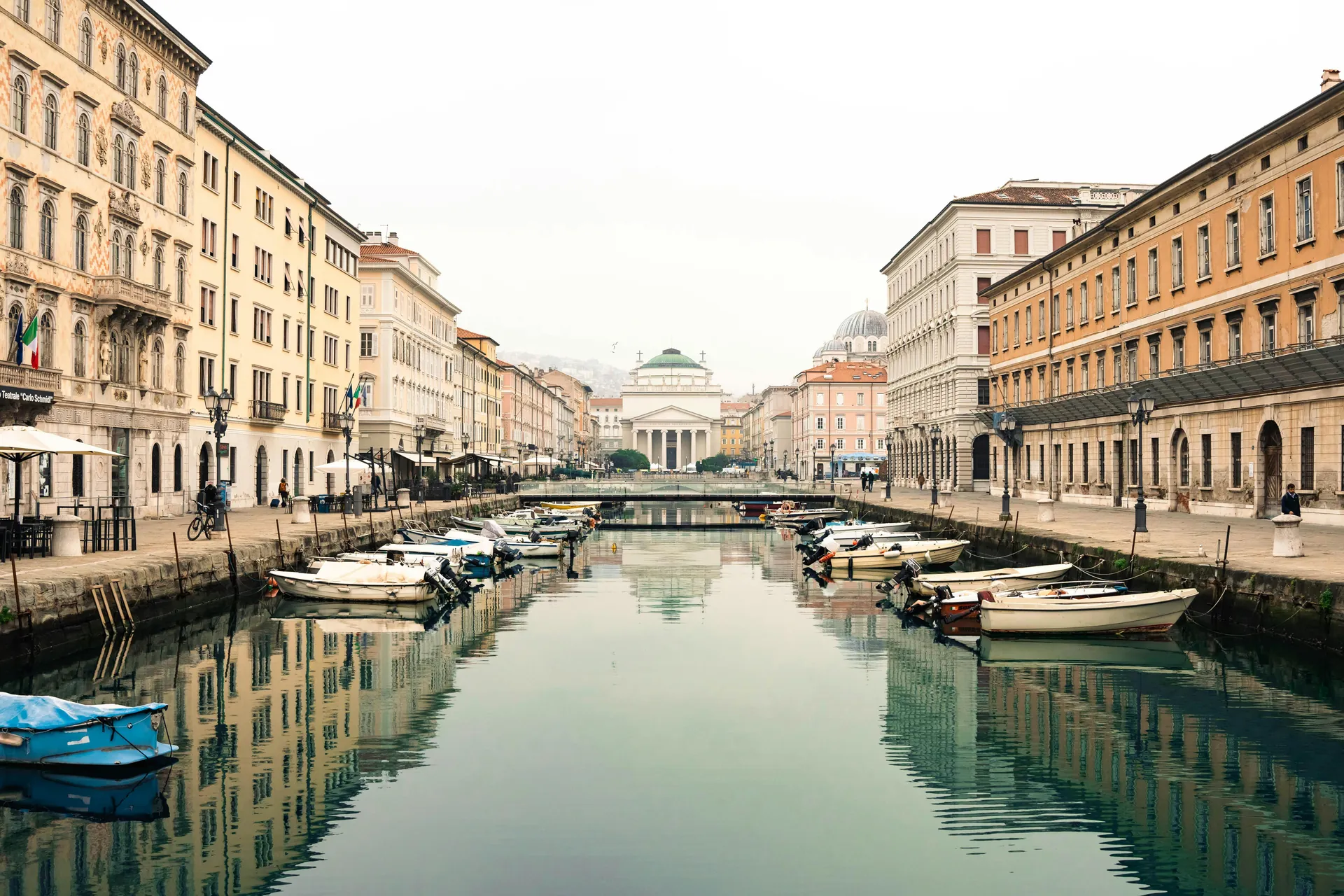
Trieste demands context. The wall at the beach makes little sense without understanding our history under the Habsburgs and our time as a Free Territory after World War II. For visitors wanting to grasp these complex layers, taking a Trieste Walking Tour with a Local Guide is highly practical. It connects the strange anomaly of the beach to the grand palaces of the city center.
We often retreat to an osmiza in the Karst plateau above the city after a day at the beach. These temporary farm taverns sell homemade wine and cured meats directly from the producers. It is the rural equivalent of El Pedocin. Both places strip away the pretense of modern life. Both are entirely unique to this corner of the world.
You can read more about integrating a beach trip with other regional highlights on our Places to Visit page. For those coordinating logistics, exploring our curated Top Activities & Tours provides excellent options for maximizing your time in Friuli Venezia Giulia.
El Pedocin is not beautiful in a conventional sense. The concrete is harsh. The sand is nonexistent. The wall blocks the view down the coastline. Yet, the facility is constantly full. It survives because it belongs entirely to the people who live here. Paying your single euro at the gate buys you a few hours inside the authentic, unpolished heart of Trieste.