
Sentiero della Salvia
Leaving the City Behind
I have spent most of my life in Trieste. It is a city defined by a sharp physical contrast. We have the dark waters of the Adriatic Sea in front of us and the harsh, pale limestone of the Karst plateau rising immediately behind us. If you spend enough time sitting at Caffè San Marco, you will hear locals debating the weather. They usually discuss our notorious wind, the Bora. Eventually, the conversation shifts to planning weekend escapes into the hills. The Sentiero della Salvia is one of those escapes. It is a sensory journey through the Trieste hinterland, and it is a landscape that many visitors unfortunately just end up driving past.Trieste is a very walkable city. You can spend days exploring the grand Austro-Hungarian palaces of Piazza Unità and the narrow alleys of the Cavana district. The true character of the region requires a short bus ride inland. The Sentiero della Salvia translates to the Sage Trail. It traces the high ridges above the Val Rosandra. Walking this route offers a clear understanding of what makes our geographical position so unusual.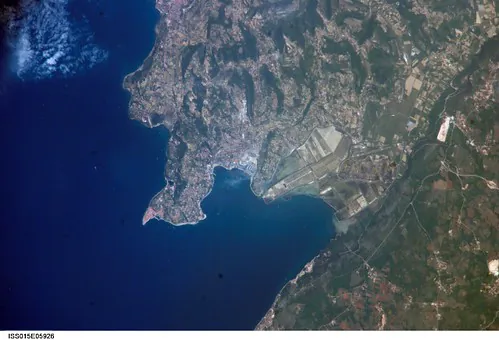
The Essence of the Trail
The trail gets its name from Salvia officinalis. This wild sage grows aggressively across the rocky ground. Crushing a small leaf between your fingers releases a sharp, earthy scent that stays on your skin for hours. The path sits high above the sea. It connects the village of Santa Croce to the town of Aurisina. Today, the route is a wide, unpaved path cut directly into teh limestone rock.Visitors often ask if Trieste is more Italian or Slovenian. The answer is heavily dependent on where you are standing. In the city center, the atmosphere feels overwhelmingly Italian with strong Austrian architectural influences. Up here on the Karst, the Slavic roots run deep. The signs at the start of the trail in the village of Santa Croce are bilingual, listing the town’s Slovenian name, Križ. The nearby town of Aurisina is known as Nabrežina. The Sentiero della Salvia forces you to navigate this dual identity physically. You hear hikers greeting each other in both languages.Flora, Fauna, and the Elements
Biodiversity on the Rock
The Karst is a demanding environment. Surface water is rare because rain vanishes underground through deep fissures in the rock. Plants here must adapt to extreme dryness. You will pass thickets of scrub oak and wild asparagus alongside the omnipresent sage. Birdwatchers frequently hike this trail carrying binoculars to spot peregrine falcons circling the coast below. In the highly humid summer months, the coastal areas deal with insects. The dry, wind-swept elevation of the Karst usually keeps mosquitoes away. For a comprehensive overview of the local ecosystem, the Official Miramare Biosphere Reserve Guide is highly reliable.Timing Your Walk
Spring brings a massive wave of purple sage blossoms to the hillsides. Autumn turns the local smoke bush leaves a dark, violent red. You must pay close attention to the winter forecasts. January is the coldest month in Trieste. The Bora wind frequently strips the plateau bare. Gusts can easily exceed 100 kilometers per hour. High winds make the exposed paths genuinely dangerous. Always check the regional radar on ARPA FVG Meteo before you lace up your boots.Logistical Information
The trail is accessible and does not require technical climbing skills. The ground is extremely uneven. Loose gravel and sharp rocks define the surface. You must wear proper footwear.| Category | Details |
|---|---|
| Difficulty Level | Easy (Classified as Turistico) |
| Starting Point | Santa Croce (Near the Acquedotto) |
| Public Transport | Trieste Trasporti Line 44 from the city center |
| Entrance Fee | Free (Public Nature Reserve) |
| Essential Gear | Thick-soled hiking boots, windbreaker, adequate drinking water |
The Cultural Reward: Osmize and Local Food
Hiking the Sentiero della Salvia is only half of the local ritual. The second half involves eating. After descending from the trail, locals seek out an osmiza. This tradition dates back to a 1784 decree by Emperor Joseph II. It allowed farmers to sell their surplus wine and food directly to the public tax-free for eight days a year. The word osmiza actually derives from ‘osem’, the Slovenian word for eight.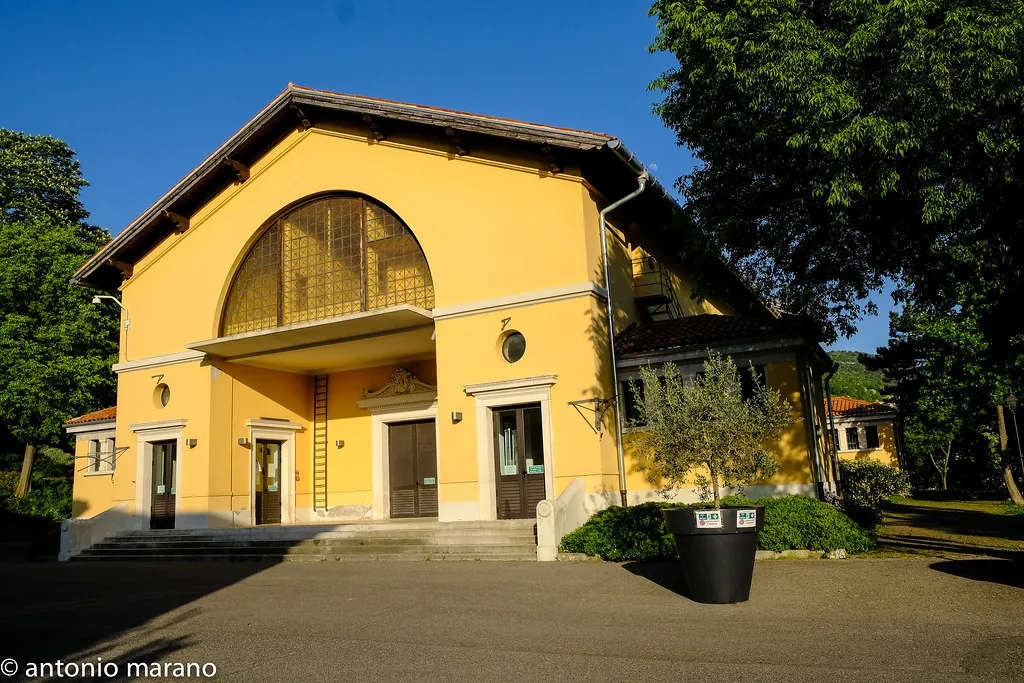
If your schedule does not align with an open farm, you still have excellent culinary options. Travelers wanting a structured introduction to our cross-border cuisine might consider booking the Trieste: Unique Food Tour with Local Flavors. It covers the historical context of dishes like Jota, a heavy soup of beans and sauerkraut that perfectly illustrates our Austro-Slavic heritage.Finding an open osmiza after a long walk in the Bora wind is the most authentic Trieste experience you can have. Order the terrano wine if you prefer reds. It is highly acidic, rich in iron, and cuts right through the fat of the cured meats.
Elena Valli