
Parco di San Giovanni
A Quiet Revolution on the Hill
The walk from the center of Trieste up to the San Giovanni district takes some effort. Our city sits on steep limestone gradients. The fierce Bora wind usually makes this ascent either bracing or entirely exhausting. At the top of Via Edoardo Weiss is Parco di San Giovanni. It is a sprawling public green space. It is also the site of a profound social transformation.
Until the late 1970s, these grounds were the provincial psychiatric hospital. High walls surrounded the property. Locked gates kept patients inside. Dr. Franco Basaglia was the hospital director during this period. He systematically dismantled the institution and ordered the gates opened. This radical act eventually led to the 1978 passage of Law 180. This legislation made Italy the first country in the world to abolish psychiatric asylums. The grounds changed from a site of confinement into an open sanctuary.
The Roseto and the Botanical Gardens
The mild Mediterranean microclimate here is perfect for a massive variety of plant life. The Roseto is in the center of the park. This garden has around 6,000 rose bushes representing nearly 3,000 different varieties. You will often see university students studying under teh old oak trees. The official rose garden reaches its peak bloom in mid-May. The air smells heavily of old European cultivars and damp earth.
The Open Pavilions
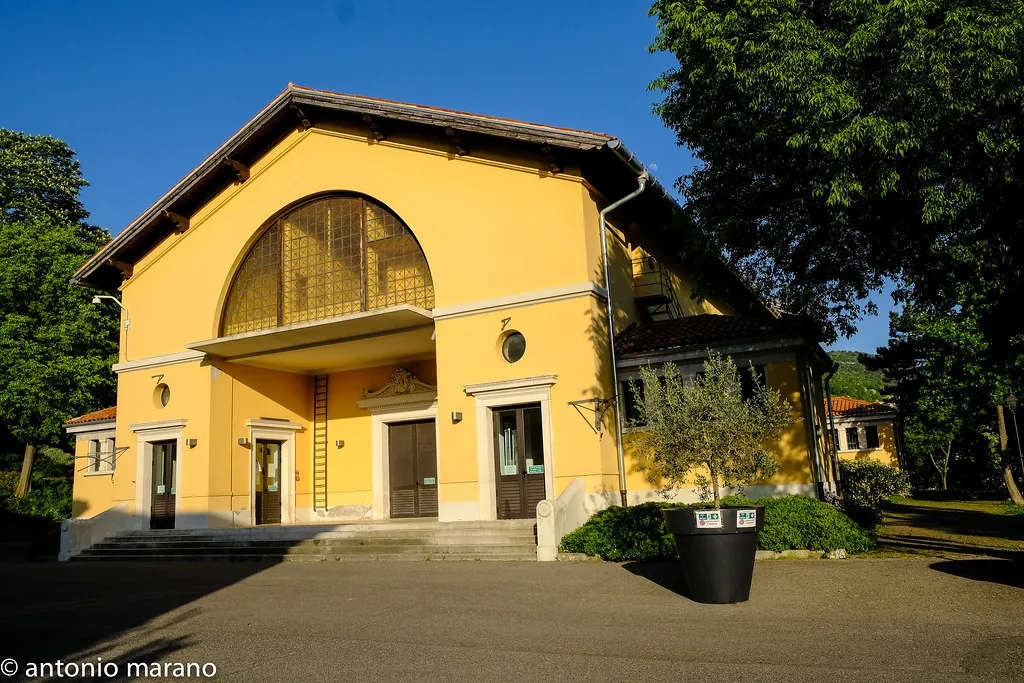
The original late-19th-century architecture is still intact. The hospital builders used a pavilion layout. They spread smaller wards across the landscape rather than relying on a single monolithic block. Today, these pastel-colored buildings are home to different faculties of the University of Trieste. Academic life blends naturally into the public paths.
The Blue Chair
Art installations dot the lawns. The most prominent is a massive blue wooden chair. It is a symbol of the restoration of dignity and the right to take a seat in society. You might also spot references to Marco Cavallo, the blue papier-mâché horse built by patients in 1973. It is a monument that locals have grown incredibly attached to.
Walking the Park
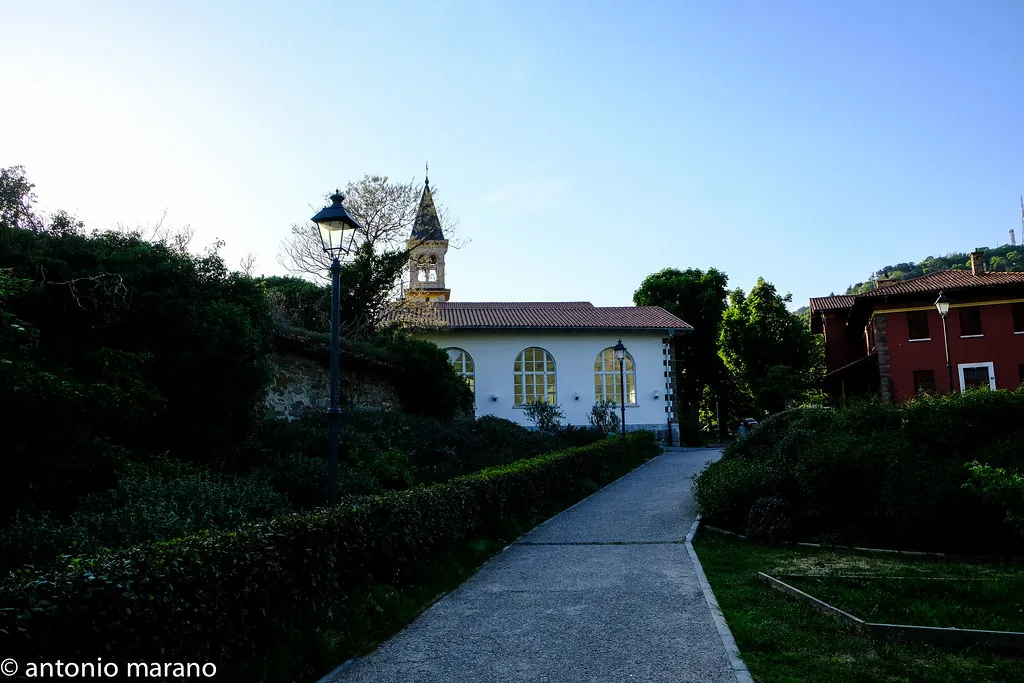
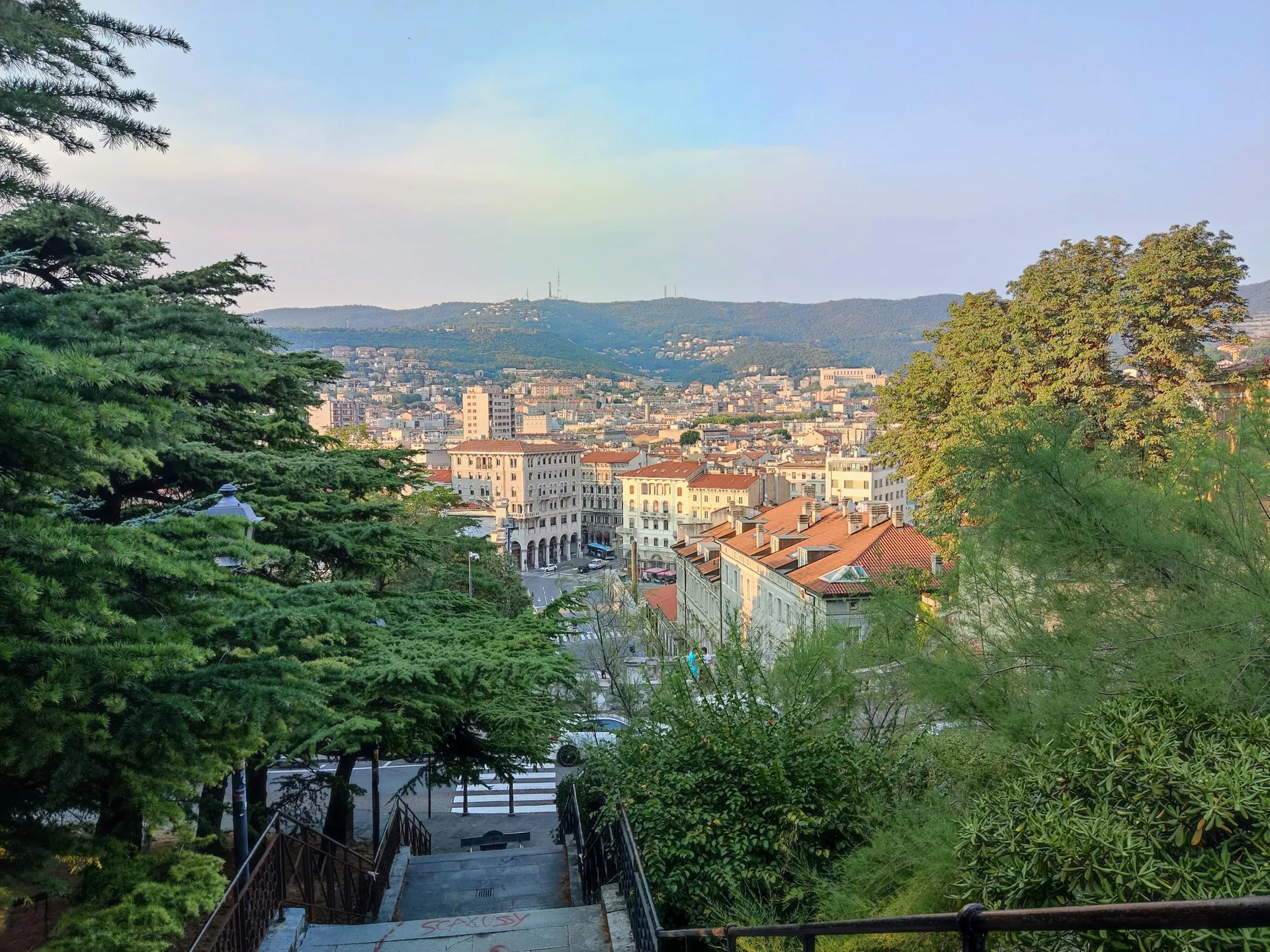
People often ask if Trieste is a walkable city. The historic center is flat, but reaching places like San Giovanni requires comfortable shoes and a bit of stamina. The Municipality of Trieste maintains the park grounds exceptionally well. Wide, paved paths connect the main pavilions. The outer trails slope upward and give sweeping views of the Gulf of Trieste through the tree canopy.
There are no gates at Parco di San Giovanni. The absence of physical barriers is the most powerful reminder of the park’s history.
Summers in Trieste are intensely hot. Visitors regularly wonder about the local water quality. You can absolutely drink tap water in Trieste. The park has several cast-iron drinking fountains that run cold and clear. You should bring mosquito repellent if you visit the gardens in July or August.
| Visitor Information | Details |
|---|---|
| Opening Hours | Open daily, 24 hours |
| Admission | Free |
| Public Transport | Trieste Trasporti Bus Lines 12, 17, and 17/ |
| Facilities | Public restrooms, drinking fountains, paved pathways |
Coffee and Social Cooperatives
Coffee is a serious matter in our city. The local café culture is alive right inside the park. Il Posto delle Fragole is an active social cooperative. It employs individuals recovering from mental health challenges. I recommend ordering an espresso in a small glass. We call this a capo in b. Pair it with a slice of putizza. This is the traditional dessert of Trieste. It is a dense pastry filled with walnuts and rum.
The park also hosts the Lunatico Festival during the warmer months. Performances and outdoor cinema screenings take place near the old laundry buildings. To understand more about the cultural blending in this border region, read our Practical Info guide.
Further Explorations
Parco di San Giovanni is a quiet alternative to the busy waterfront. If you are building an itinerary for places to visit in Trieste, this park pairs perfectly with a morning spent at Miramare Castle. For those looking to dive deeper into the city’s culinary history, you might consider booking a Trieste Food Tour. Walking the streets with a local guide gives context for the diverse architecture and the distinct Central European flavors. You can find more curated local experiences on our Top Activities & Tours page.