
Parco Archeologico di Muggia Vecchia
A Window into the Original Gulf Settlement
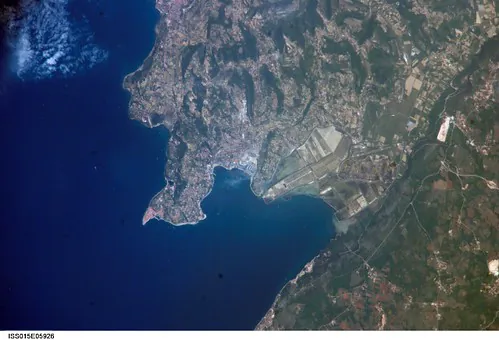
I often tell friends over a strong espresso at Caffè San Marco that to truly understand this easternmost corner of Italy, you have to leave the grand neoclassical squares of the city center. Parco Archeologico di Muggia Vecchia is the original hilltop settlement that predates the modern coastal town below. It sits quietly above the Gulf of Trieste, routinely bearing the brunt of our intense Bora wind. The site is a direct physical record of how people lived before maritime trade pulled the population down to the shoreline.
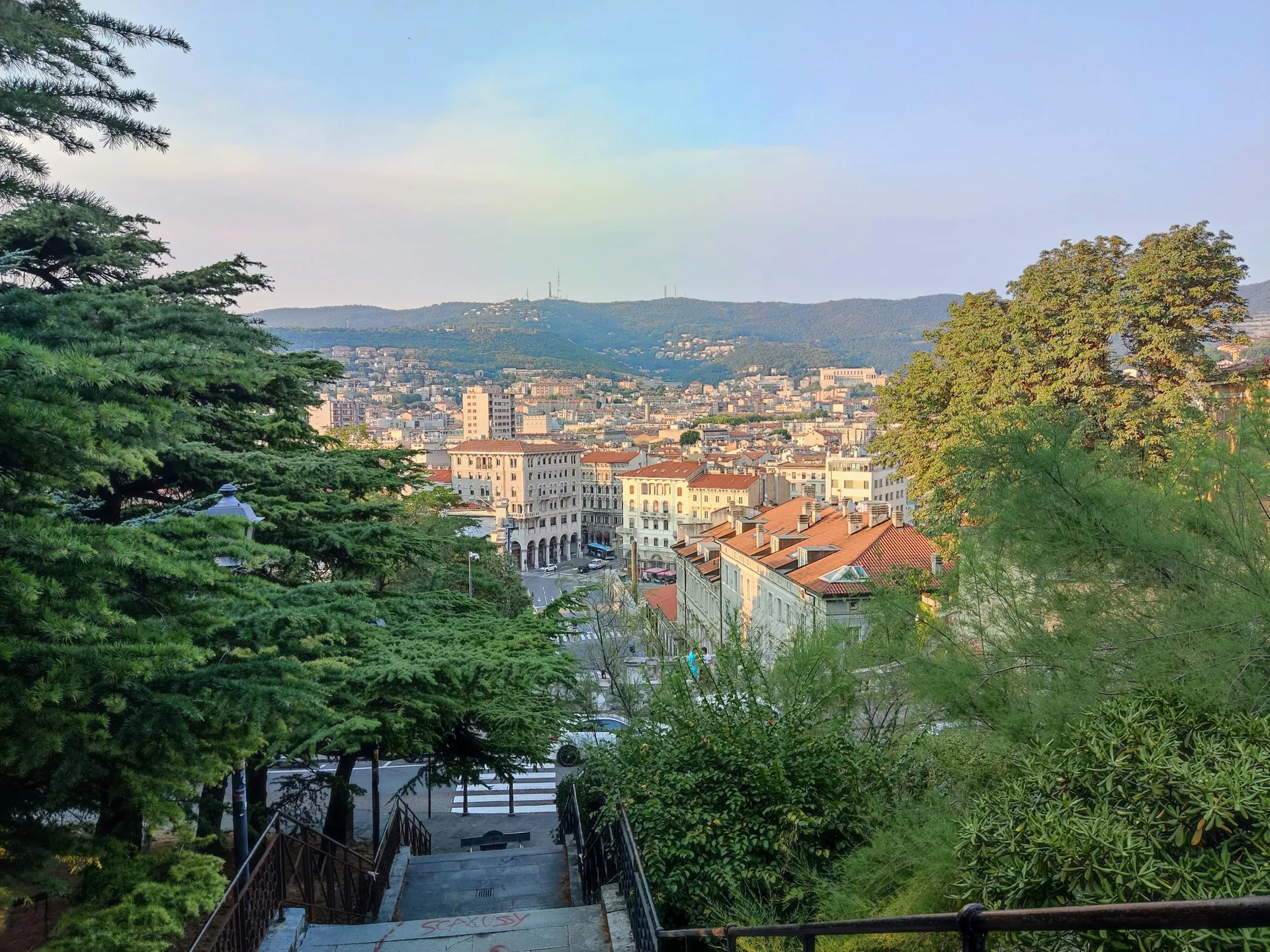
People frequently ask if Trieste is worth going to, especially when Venice is just a couple of hours away. The answer lies in places exactly like this. Muggia Vecchia is entirely free of the typical tourist crush. You get a profound sense of isolation and history up here. The borders in this region shifted constantly over the centuries, prompting questions about whether Trieste was a part of Croatia or Austria or its own free territory. Standing on this hill, looking out toward the Istrian peninsula, the fluid nature of our local geography becomes obvious.
The Basilica of Santa Maria Assunta and the Castrum Muglae
The Basilica of Santa Maria Assunta is the only intact structure remaining from the medieval village. It is an 11th-century Romanesque building constructed from local sandstone. The exterior is modest, characterized by simple blind arches and a sturdy 12th-century portal. Inside, the church contains significant 14th and 15th-century frescoes. These paintings depict the Last Judgment and various saints, offering a rare glimpse into the religious art of the era before the Venetian republic completely dominated the region’s aesthetic.
Surrounding the church are the excavated remains of the Castrum Muglae. This fortified village reached its peak during the Middle Ages. By the 1400s, the inhabitants realized the defensive advantage of the hill was no longer necessary. They moved down to the harbor to focus on fishing and trade, establishing the Venetian-style town center of modern Muggia. Because the hilltop was essentially abandoned, the foundations of the old houses, workshops, and narrow streets were left completely frozen in time. You can read more about the ongoing preservation efforts through the official Visit FVG tourism portal.
Exploring the Archaeological Park and Nature Trails
The archaeological park is open to the elements and integrated directly into the natural landscape. Walking through the low stone walls, it is easy to visualize the tight layout of the ancient village. Informational placards along the route detail the daily life of the medieval inhabitants, from their agricultural practices to their stone-working techniques. The terrain is a mix of grass and uneven limestone, so sturdy footwear is highly recommended.
Visitors can freely walk along the perimeter where the original defensive walls ended up at. It gives you a physical sense of the community’s boundaries and the stark reality of living in a fortified hillside encampment.
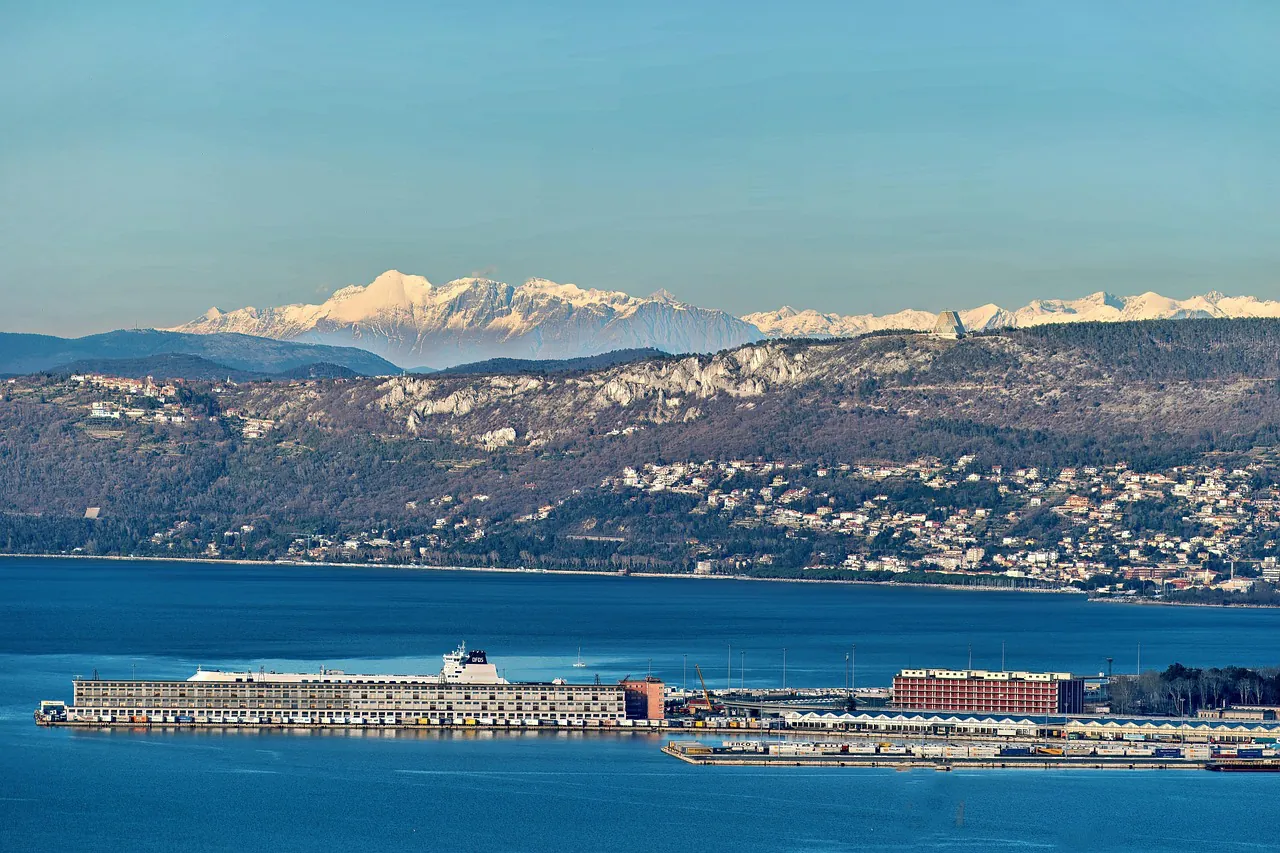
Beyond the ruins, the site connects to several excellent walking paths. These trails cut through dense pine groves and Mediterranean scrub. The elevation provides one of the best panoramic vantage points over the entire Gulf of Trieste. On a clear day, you have an unobstructed line of sight all teh way to the Slovenian coastline. If you are wondering if you can visit Slovenia from Trieste, the border is literally just a few kilometers from this very park.
You do not just visit Muggia Vecchia for the ruins. You come up here to feel the scale of the Adriatic Sea and understand why empires fought over this specific stretch of water for over a thousand years.
Visitor Information and Logistics
Planning your trip up the hill requires a bit of minor coordination. The archaeological park itself is generally open year-round and is free to enter. The Basilica is open every day from 09:00 to 19:00 (until 20:00 in the summer). Trieste is a highly walkable city when you are down at sea level, but the trek up to Muggia Vecchia is a steep climb. Many locals prefer to drive or take the local bus.
| Category | Details |
|---|---|
| Location | Salita Muggia Vecchia, 53, 34015 Muggia (TS), Italy |
| Coordinates | 45°36’00.0″N 13°45’09.0″E |
| Best Time to Visit | Spring and Autumn offer the best lighting for photography and comfortable temperatures. |
| Accessibility | The outdoor park is accessible, but the terrain is uneven. Check seasonal Basilica hours online. |
| Public Transit | Accessible via Trieste Trasporti local bus lines from Muggia town center. |
Nearby Recommendations and Local Tips
After exploring the ruins and taking in the views, I always suggest heading back down the hill to the modern town center. You can read more about the Venetian-style harbor and the main square in our detailed guide on places to visit in the area. The transition from the stark, medieval stone of the upper hill to the colorful, pastel facades of the coastal town is striking.
If you have a car, this is the perfect opportunity to seek out an osmiza. These are traditional, rustic karst eateries where local farmers sell their own wine, cured meats, and hard-boiled eggs directly to the public. You will know an osmiza is open if you see a bundle of branches (a frasca) hanging by the roadside with a red arrow pointing the way. It is a deeply ingrained local tradition and a fantastic way to spend a late afternoon.
Bring a small picnic. There are a few shaded spots just outside the archaeological boundary under the pine trees. Eating a sandwich made with local prosciutto cotto while watching the ships slide into the Port of Trieste is entirely free and completely unforgettable.
Elena Valli
For those looking to expand their itinerary, pairing a quiet morning at Muggia Vecchia with a structured afternoon activity is a great approach. Many visitors choose to dive deeper into the regional cuisine. Booking the Trieste: Unique Food Tour with Local Flavors and Tastings back in the city center provides a brilliant contrast to the rural history of the archaeological park. Alternatively, if you want a deeper narrative of the city’s complex past, the Trieste Walking Tour with Audio and Written Guide by a Local is an excellent resource to load onto your phone before you head out for the day. You can find more curated experiences on our top activities and tours page.

Trieste Walking Tour with Audio and Written Guide by a Local
⭐ Trieste Experience
🔥 Bestseller in 2026

Postojna Cave & Predjama Castle – Small Group Tour from Trieste
⭐ Postojna Experience
🔥 Likely to sell out soon!

Trieste Bus Tour with Audio Guide
⭐ Trieste Experience
🔥 Recommended for high-season travel

Reserve Entrance to Milan Cathedral, Duomo, Archeological Area
⭐ Reserve Experience
🔥 Likely to sell out soon!

Trieste Private Walking Tour with a Local
⭐ Trieste Experience
🔥 Exceptional 4.9/5 rating

Trieste Cultural Walking Tour
⭐ Trieste Experience
🔥 Recommended for high-season travel