
Drogheria Toso
A Sensory Journey Through Trieste’s Maritime History
You smell Drogheria Toso long before you see the wooden sign above its entrance. Walking down Via del Ponte in the Borgo Teresiano, the cold, sharp air of the Adriatic suddenly gives way to the heavy aroma of star anise, Ceylon cinnamon, and roasted coffee beans. For a lifelong Triestine like myself, that scent is a geographic anchor. Trieste is a city defined by its past as the primary seaport of the Austro-Hungarian Empire, an era that brought ships laden with colonial goods right to our doorstep. Drogheria Toso is a direct, physical continuation of that history.
Travelers often ask what is special about Trieste, especially when comparing it to other Italian coastal cities. The answer lies in this precise layering of cultures, commerce, and geography. While Venice traded in silk and politics, Trieste traded in ideas, heavy maritime industry, and spices. Drogheria Toso opened its doors to supply a growing middle class with imported goods that were, at the time, rare luxuries. Today, it remains one of the oldest commercial establishments in the city. When I meet friends for an espresso at Caffè San Marco, our conversations inevitably turn to local food, and Toso is the name that anchors those discussions.
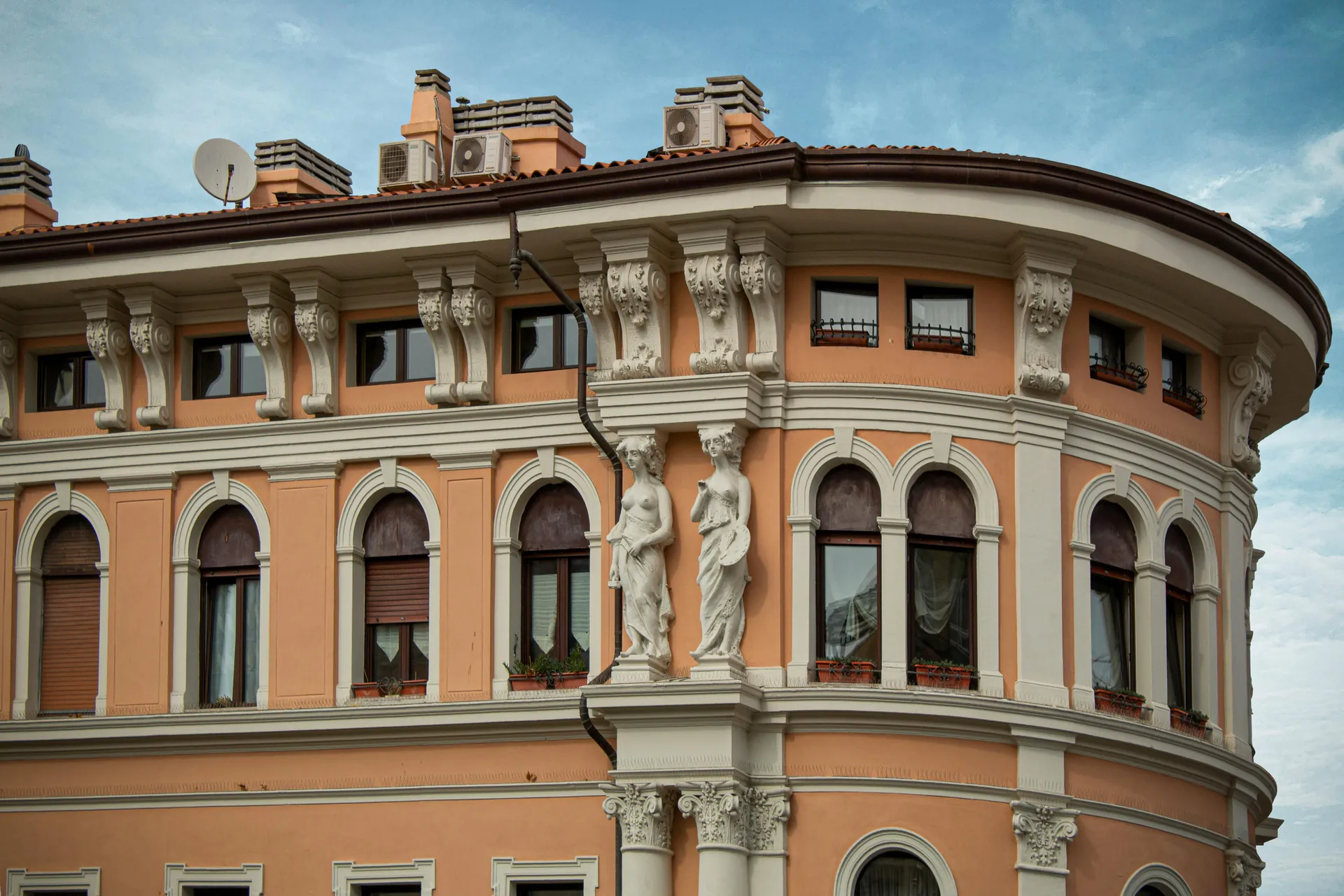
The Drogheria Concept: Preserving the Old World
To understand Toso, you have to understand what a traditional Italian drogheria actually is. It is not a pharmacy, nor is it a modern supermarket. A drogheria is a purveyor of spices, loose-leaf teas, botanical extracts, and household goods, sold by weight and wrapped in thick paper cones. The concept has largely disappeared from the Italian retail landscape, replaced by sterile aisles and plastic packaging. Drogheria Toso survived by refusing to change.
The interior is entirely original. Dark wooden counters bear the scratches and dents of a century of commerce. Floor-to-ceiling shelving units hold hundreds of glass apothecary jars, each filled with dried herbs, roots, and spice blends. Many visitors miss teh significance of the smaller jars on the top shelf, which contain hyper-specific ingredients used in regional baking. The Trieste Chamber of Commerce officially recognizes the shop as a Historical Shop, a designation reserved for businesses that retain their original architectural fixtures and cultural function.
A true drogheria requires conversation. You do not just take a jar off a shelf; you tell the shopkeeper what you are cooking, and they weigh out the exact measure of history you need.
Culinary Treasures and the Triestine Identity
People outside the region frequently wonder if Trieste is more Italian or Slovenian. The reality is that we are a border city, and our identity is a distinct hybrid of Italian, Slavic, and Germanic influences. You see this most clearly in our food, and by extension, in the inventory at Drogheria Toso. If you want to know what food Trieste is known for, you only need to look at the shop’s most requested items during the winter holidays.
Locals come here to buy the exact ratios of candied orange peel, raisins, rum, and cinnamon required for presnitz and putizza, our traditional dense, sweet pastries. You will also find the caraway seeds needed for a proper bowl of jota, a sour turnip and pork soup that is a staple of the Karst plateau. When I spend an afternoon at an osmiza—a rustic, pop-up farm tavern in the hills above the city—the cured meats and cheeses are often seasoned with the same types of coarse salts and peppercorns sold at Toso.
The Coffee Capital
Trieste is Italy’s coffee capital. The city imports a massive percentage of the country’s green coffee beans, a trade that began in the 18th century under Maria Theresa of Austria. Drogheria Toso stocks an impressive array of high-end, locally roasted beans. Unlike the commercial blends found elsewhere, the coffee here is selected for its flavor profiles, reflecting the historical Trieste coffee culture that birthed major brands like Illy. Buying beans at Toso is a ritual.
Teas and Botanicals
Beyond coffee, the shop is an archive of loose-leaf teas and medicinal herbs. The selection goes far beyond standard chamomile or Earl Grey. You find dried mallow flowers, linden, and rare oolongs imported from Asia. The staff possesses an encyclopedic knowledge of botanical properties. If you have a sore throat from the winter wind, they will mix a custom herbal infusion right in front of you, wrapping it neatly in a paper parcel.
How to Shop Like a Local
Modern retail conditions us to move quickly, avoid eye contact, and scan barcodes. Drogheria Toso demands the opposite. There is no self-service. You must step up to the wooden counter and speak with the staff. For international visitors, this can feel intimidating, but it is the core of the experience. The staff are experts. If you are unsure what to buy, ask them for a recommendation based on a dish you want to recreate at home.
January is the coldest month in Trieste, bringing the fierce Bora wind that can gust over 100 kilometers per hour. On those bitter days, stepping into the warm, spiced air of Toso feels like entering a sanctuary. The best time to visit is on a weekday morning, around 10:00 AM. Saturdays are notoriously busy with locals stocking up on weekend provisions. By visiting on a Tuesday or Wednesday, you ensure the staff has the time to talk you through the different origins of their black peppers or the specific steeping times for their green teas.
If you want to dive deeper into the local culinary scene after your visit, booking a Unique Food Tour with Local Flavors provides excellent context. A knowledgeable guide can help you connect the raw ingredients you saw in the glass jars at Toso to the finished dishes served in the city’s historic buffets.
Practical Logistics and Navigation
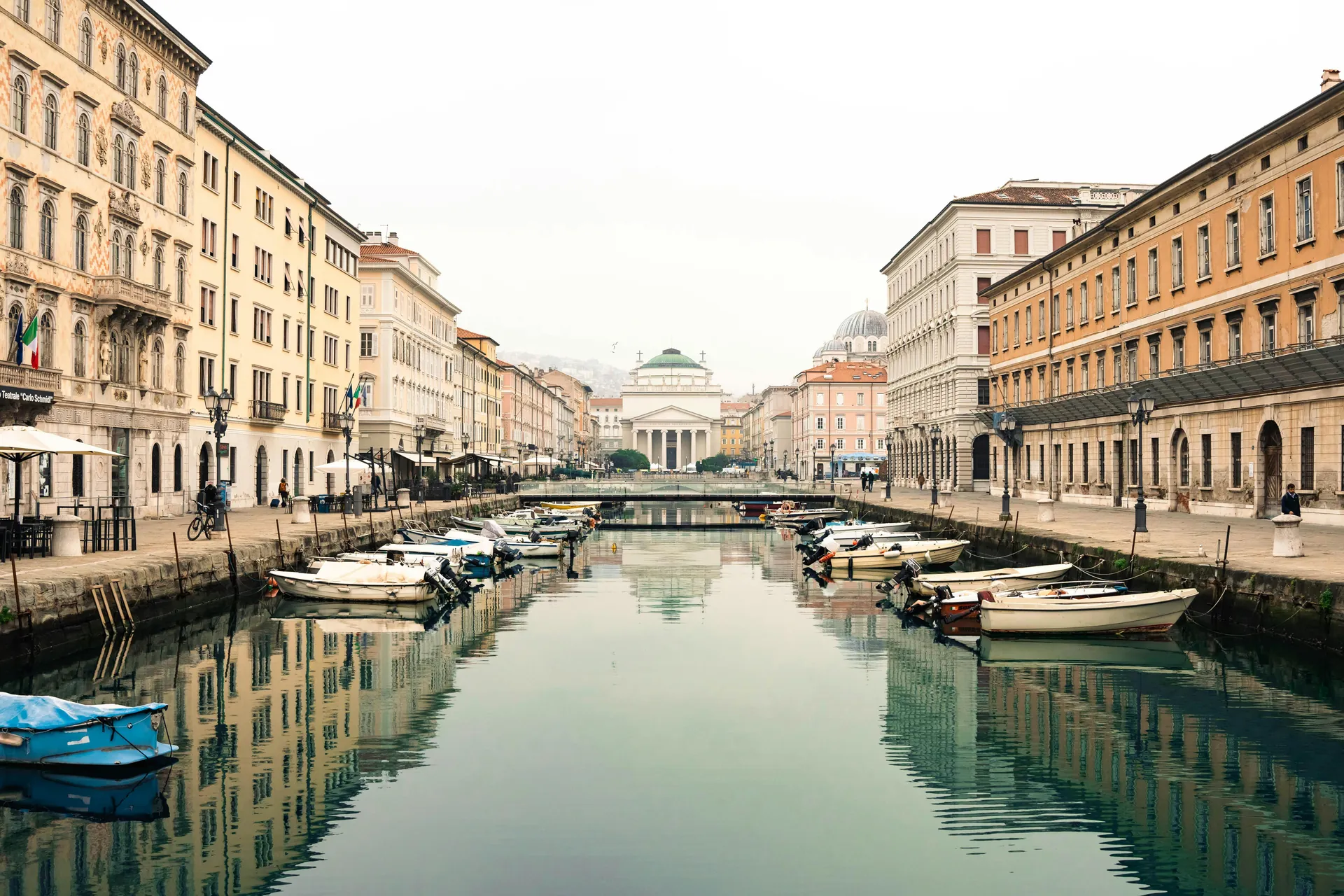
Trieste is an exceptionally walkable city, especially the grid-like streets of the Borgo Teresiano. Drogheria Toso is located at Piazza San Giovanni, 6. You can easily reach it on foot from the Canal Grande or Piazza Unità d’Italia. For those planning their daily itinerary, it makes sense to combine a visit to the shop with a broader exploration of the places to visit in the historic center.
Visitors frequently ask if Trieste is worth going to when larger cities like Venice are nearby. I always argue that Trieste offers a different kind of travel experience. We do not have the overwhelming crowds of the lagoon city. Instead, we have breathing room. You can take a Private Trieste Sightseeing Tour and actually hear your guide speak, or walk into a shop like Toso and have a genuine, unhurried conversation with a merchant.
| Category | Details |
|---|---|
| Location | Piazza San Giovanni, 6, 34122 Trieste TS, Italy |
| Neighborhood | Borgo Teresiano (Historic Center) |
| Typical Hours | Mon-Sat: 08:00 – 13:00, 16:30 – 19:00 (Closed Sundays) |
| Accessibility | Ground floor entrance, highly pedestrian-friendly area |
| Price Range | Mid-to-High (Premium artisanal and imported goods) |
When packing for a day out in the city, keep in mind that you can drink tap water in Trieste. The water comes from regional mountain springs and is excellent. Bring a refillable bottle while you navigate the cobblestones, as hydration is necessary when exploring the local shops. If you need more practical advice on getting around, check our comprehensive guide to navigating the city.
An Enduring Local Institution
The survival of Drogheria Toso is not a matter of pure luck. It exists because the people of Trieste actively choose to support it. The local tourism board rightly highlights these historic shops, but it is the daily patronage of grandmothers buying baking supplies and young chefs seeking rare spices that keeps the lights on. In an era of automated convenience, waiting your turn while a shopkeeper meticulously weighs out fifty grams of smoked paprika feels like an act of quiet rebellion.
Drogheria Toso has the exact kind of atmosphere you want to wake up to. It smells of history, wood polish, and the far corners of the earth. It is a place that grounds you in the physical reality of Trieste’s past while providing the ingredients for its future, which is exactly the sort of local tradition I am always looking for.