
Civico Museo di Storia Naturale

A Proper Sense of Place
I usually sit by the window at Caffè San Marco with a capo in b (our local macchiato served in a small glass), watching the Bora wind rattle the heavy wooden frames outside. On days like this I find myself seeking refuge in places that help me understand my own city. Trieste has a complex history. We are Italian, Slavic, and Central European all at once. The Civico Museo di Storia Naturale is a quiet, dignified institution on Via dei Tominz, far removed from the crowded tourist corridors along the waterfront. It holds the physical memory of our land.
To understand Trieste, you must look beneath the pavement. The museum tells the story of the stone and the sea that built us.
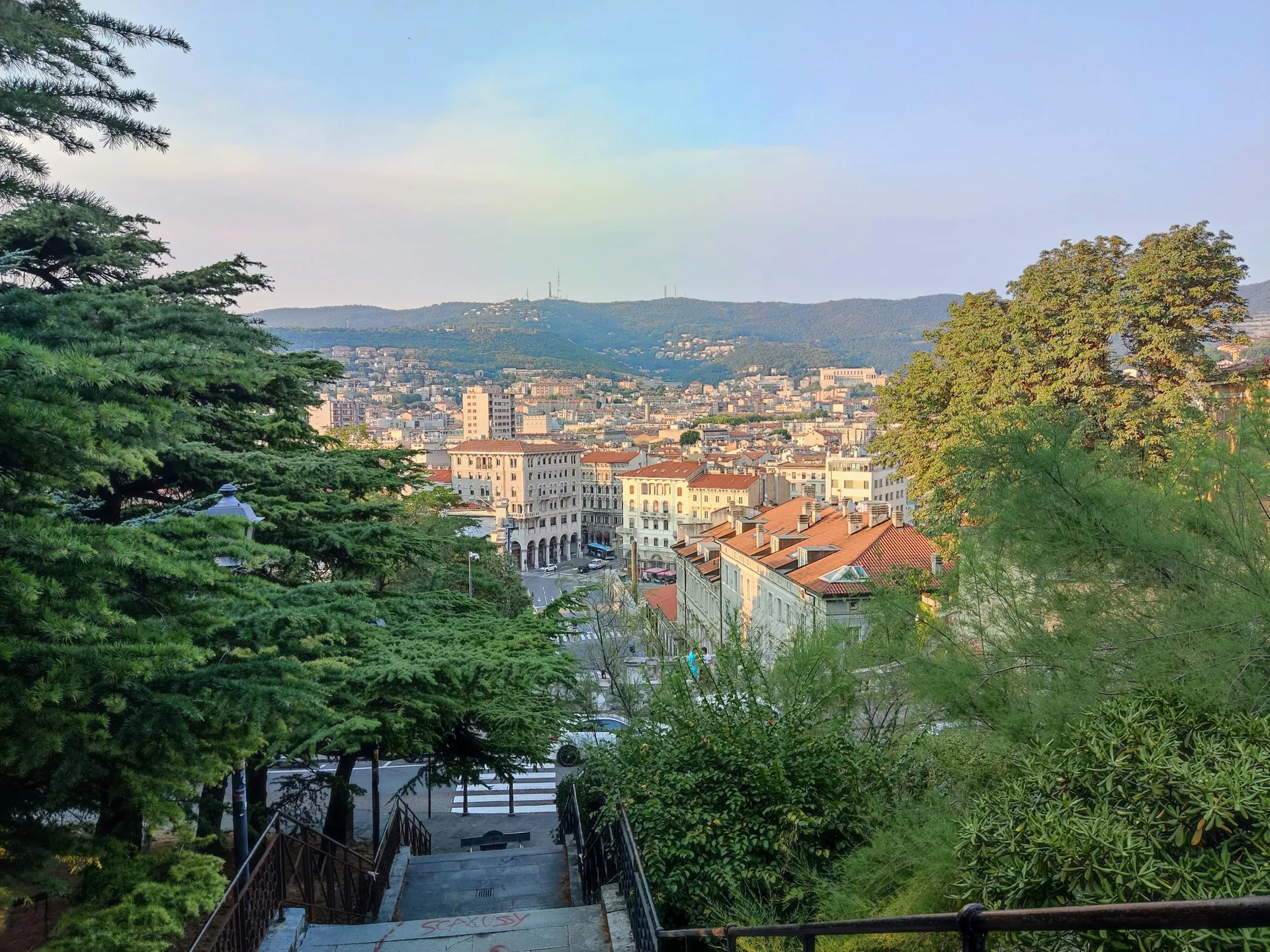
People often ask what is special about Trieste. They expect tales of writers like James Joyce or descriptions of our grand coffee houses. The real answer is the geography. We sit at the exact point where the harsh limestone Karst plateau plunges into the Adriatic Sea. This museum catalogs that violent, beautiful collision.
The Architecture of Memory
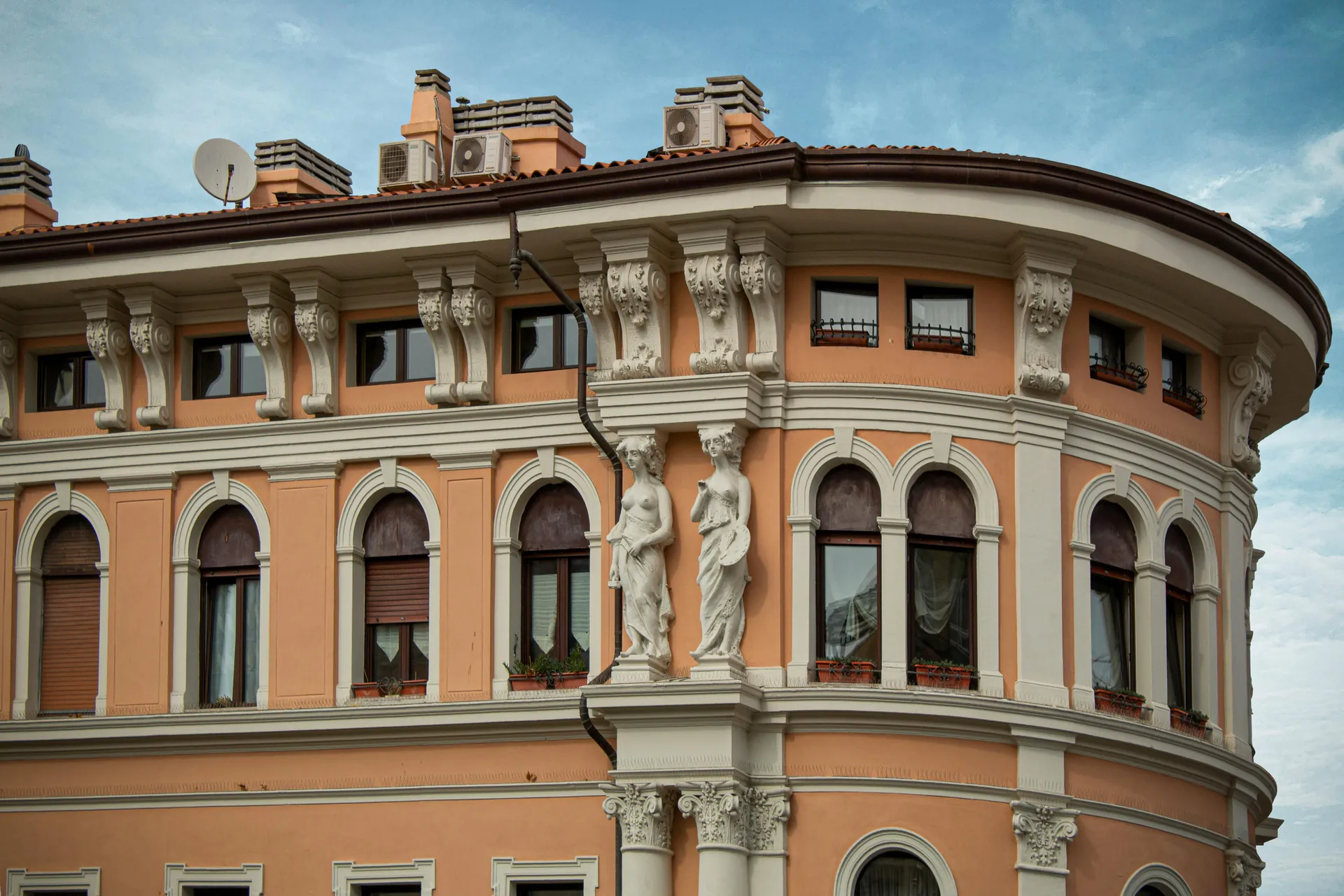
The museum shares its home at Palazzo Biserini with the Civic Library (Biblioteca Civica Attilio Hortis). The building has a classical austerity typical of the Austro-Hungarian era. The facades are rigorous and symmetrical. Walking through the heavy doors feels like stepping into a 19th-century scientific academy. The Trieste Municipality Culture Portal manages the estate and maintains the historical integrity of the halls.
Unlike modern interactive centers, this building demands a slower pace. The wooden display cases creak slightly underfoot. The light filters through tall windows, illuminating dust motes dancing in the air. It is a space for quiet observation.
Antonio and the Deep Past
We have a local celebrity in the paleontology department. His name is Antonio. He is a Tethyshadros insularis, a species of hadrosauroid dinosaur. Researchers found his fossilized remains in the Villaggio del Pescatore site just a short drive from the city center. Antonio is one of the most complete dinosaur skeletons ever discovered in Europe.
The exhibit dedicated to him is fascinating because it explains the concept of insular dwarfism. Millions of years ago, our region was a series of islands in the Tethys Ocean. Limited resources meant the dinosaurs here evolved to be much smaller than their continental cousins. Standing in front of Antonio, you realize how dramatically the Earth shifts. The reasearch team here does incredible work piecing together these ancient ecosystems from fragments of shattered rock.
Stone and Sea
The mineralogy and geology sections are my personal favorites. They explain the Karst. This harsh limestone plateau dictates everything from our agriculture to the course of our underground rivers. We even have osmizas (temporary farm taverns) carved right into this rock. Visitors often overlook thier connection to the harsh limestone plateau just miles inland. This unique geology is something we are entirely shaped by.
The tap water in Trieste is excellent because it filters through miles of deep Karst aquifers. Always bring a reusable bottle when you walk around the city.
In the zoology wing, the focus shifts to the Adriatic Sea. The Gulf of Trieste is shallow, and the fierce Bora wind dramatically cools the water in the winter. This creates a highly specific marine environment. The museum has an extensive collection of local marine fauna, including some terrifyingly large historical specimens of sharks caught in the upper Adriatic centuries ago.
The Green Archives
The botanical heritage preserved here is immense. The historical herbariums contain dried specimens collected across the region over the last two hundred years. Botanists use these archives to track how climate shifts are altering the local flora. You can see the subtle changes in the blooming patterns of the Karst smoketree or the wild asparagus we forage in the spring.
Visitor Information
Planning a visit is straightforward, but it helps to know a few practical details. You can verify the most current seasonal hours on the official museum website. If you are staying for a few days, I highly suggest picking up a Trieste Museum Pass from the Regional Tourism Board, as it covers entry to multiple civic sites.
| Category | Details |
|---|---|
| Address | Via dei Tominz, 4, 34139 Trieste TS, Italy |
| Tickets | Standard €4.50, Reduced €3.50 (Students, Seniors) |
| Accessibility | The ground floor and main exhibits are fully wheelchair accessible. |
| Local Tip | In late summer, the museum’s outdoor garden areas have mosquitoes. Bring a light repellent. |
Nearby Explorations
Trieste is a very walkable city, though the museum’s location on Via dei Tominz is a bit of a walk from the historic center. Once you finish your time with the fossils and the maritime exhibits, you are perfectly positioned to explore the adjacent Civico Museo di Guerra per la Pace “Diego de Henriquez”. The two museums share the same complex, offering a quiet, expansive space away from the waterfront crowds.
- For logistical details on navigating the local bus network to reach the museum, read our practical transport information page.
- To discover other historical landmarks in the neighborhood, browse our guide on places to visit in Trieste.
- Because the city is so compact, you can easily combine a morning at the museum with an afternoon exploring our culinary heritage. I recommend booking a Unique Food Tour with Local Flavors to understand how our history shaped our plates.
- If you prefer to understand the architectural shifts of the city on foot, a Walking Tour with an Audio and Written Guide offers great flexibility.
The Civico Museo di Storia Naturale is not the largest museum in Italy, nor does it have the flashiest digital displays. It is something much better. It is a genuine, rigorously maintained archive of the natural world that shaped this borderland. Spending an hour or two among its collections will completely change the way you look at the limestone cliffs and the dark waters of the Adriatic when you step back outside.