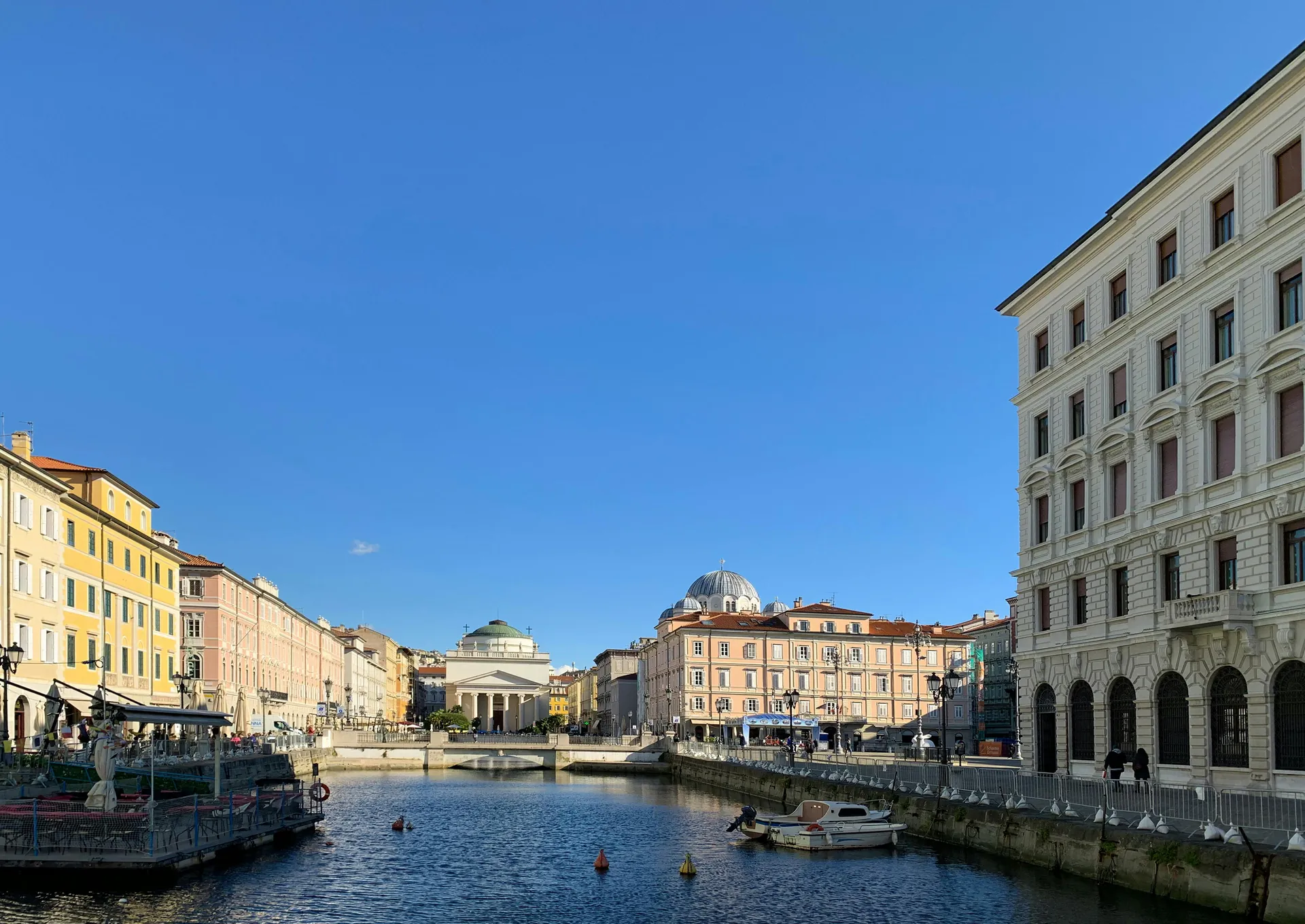
Museo Sveviano & Museo Joyce
Introduction: Trieste’s Literary Soul & The Joyce-Svevo Connection
Trieste is a city shaped by its winds and its writers. We sit at the edge of the Adriatic, caught between the Mediterranean sun and the sharp, unforgiving Bora wind that occasionally clears the air with violent precision. This frontier atmosphere has always attracted minds that operate on the fringes of convention. In the early 20th century, two such minds collided here, leaving a permanent mark on modern literature. James Joyce arrived in 1904, carrying his unfinished manuscripts and a desperate need for employment. He found work teaching English at the local Berlitz School. One of his adult students was Aron Hector Schmitz, a local businessman who wrote under the pen name Italo Svevo.
The Museums: Preserving Two Giants
Both authors are honored in a shared location at Piazza Hortis, 4. Managed by the Civici Musei di Storia ed Arte, the building houses two distinct but conceptually linked museums. This proximity is entirely fitting. They share the same physical address just as they shared the same creative era in Trieste. The location is steps away from the larger Museo Revoltella, anchoring this neighborhood as a primary cultural hub for anyone exploring our places to visit.Museo Joyce Museum
The Joyce collection documents the author’s complicated but highly productive years in our city (1904–1920). These were the years he finished A Portrait of the Artist as a Young Man and wrote significant portions of Ulysses. The museum contains first editions of his works, personal correspondence, and photographs of his family life in Trieste. There are also fascinating records from his time at the Berlitz School. The exhibits present Joyce not just as a literary monolith, but as a struggling expatriate trying to pay his rent while wrestling with his genius.Museo Sveviano
Across the hall, the Museo Sveviano focuses on the hometown hero. Svevo is best known for his masterpiece, La Coscienza di Zeno (Zeno’s Conscience). The museum holds the “Svevo Archive,” a comprehensive collection of his personal library, private letters, and other original manuscripts. Although the physical drafts of his novels were sadly lost in a 1945 bombing, the space offers an intimate look at a man who balanced a successful career in his family’s marine paint business with a private compulsion to write.“Trieste gave Joyce the Mediterranean, and Joyce gave Trieste the world.”
The Literary Itinerary: Beyond the Museum Walls
The museums on Via Madonna del Mare are only the beginning of the story. To understand Joyce and Svevo, you must engage with the city they inhabited. The museum staff often provides maps of the “Joyce in Trieste” itinerary. This route traces his various apartments, his favorite pubs, and the Greek Orthodox church he frequented for its choral music.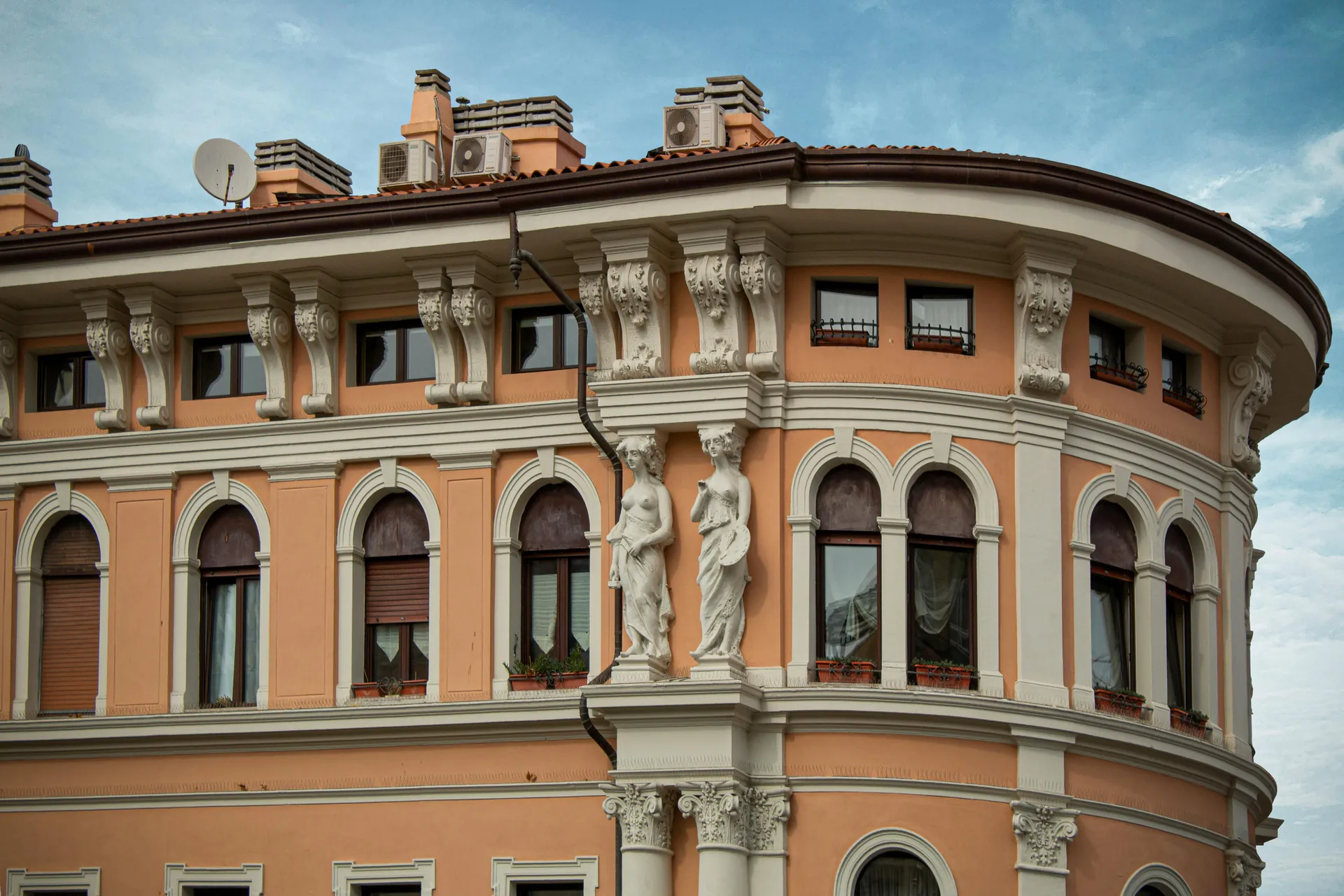
Visitor Information & Logistics
Planning your visit requires a bit of standard Italian flexibility. The museums are intimate spaces. They rarely suffer from the overwhelming crowds found in Florence or Venice. You can take your time reading the translated correspondence and examining the photographs.| Detail | Information |
|---|---|
| Location | Piazza Hortis, 4, 34123 Trieste |
| Standard Hours | Monday, Wednesday–Sunday, 10:00 AM – 7:00 PM (Closed Tuesdays) |
| Admission | Free (Subject to change for temporary exhibits) |
| Accessibility | Historic building. Check official sites for current elevator status. |
| Time Required | 1.5 to 2 hours for both museums combined. |
Practical Tips for Literary Tourists
Trieste rewards the observant traveler. When planning your visit to the museums, consider the season. The winter months are quiet and atmospheric, but the Bora wind can drop temperatures rapidly. A heavy coat is necessary. Spring and early autumn are ideal. If you visit in late spring, you might even take a bus out to the Carso plateau to visit an osmiza, a traditional farmhouse serving local wine and cured meats directly to the public. Svevo himself frequently retreated to the countryside to escape the pressures of city life.Photography inside the museums is generally permitted for personal use, provided you turn off your flash. Flash photography damages the fragile ink and paper of the century-old manuscripts. Exhibits are labeled in both Italian and English. The staff members are highly knowledgeable and often willing to answer specific questions about the collections. For broader advice on navigating the region, consult our practical info guide.External Resources & Authority Links
For the most accurate and up-to-date information regarding temporary exhibitions, closures, or special literary events, please refer to the following official resources:- Official Museo Joyce Trieste – Contains digital archives and current opening hours.
- Official Museo Sveviano – Detailed information on the Svevo family archive.
- Trieste.com Culture Portal – A comprehensive guide to the civic museums managed by the city.
- Turismo FVG (Friuli Venezia Giulia) – The regional tourism board for broader travel logistics in the area.
Final Thoughts on the Museums