
Tempio Serbo-Ortodosso della Santissima Trinità e di San Spiridione
The Borgo Teresiano Jewel
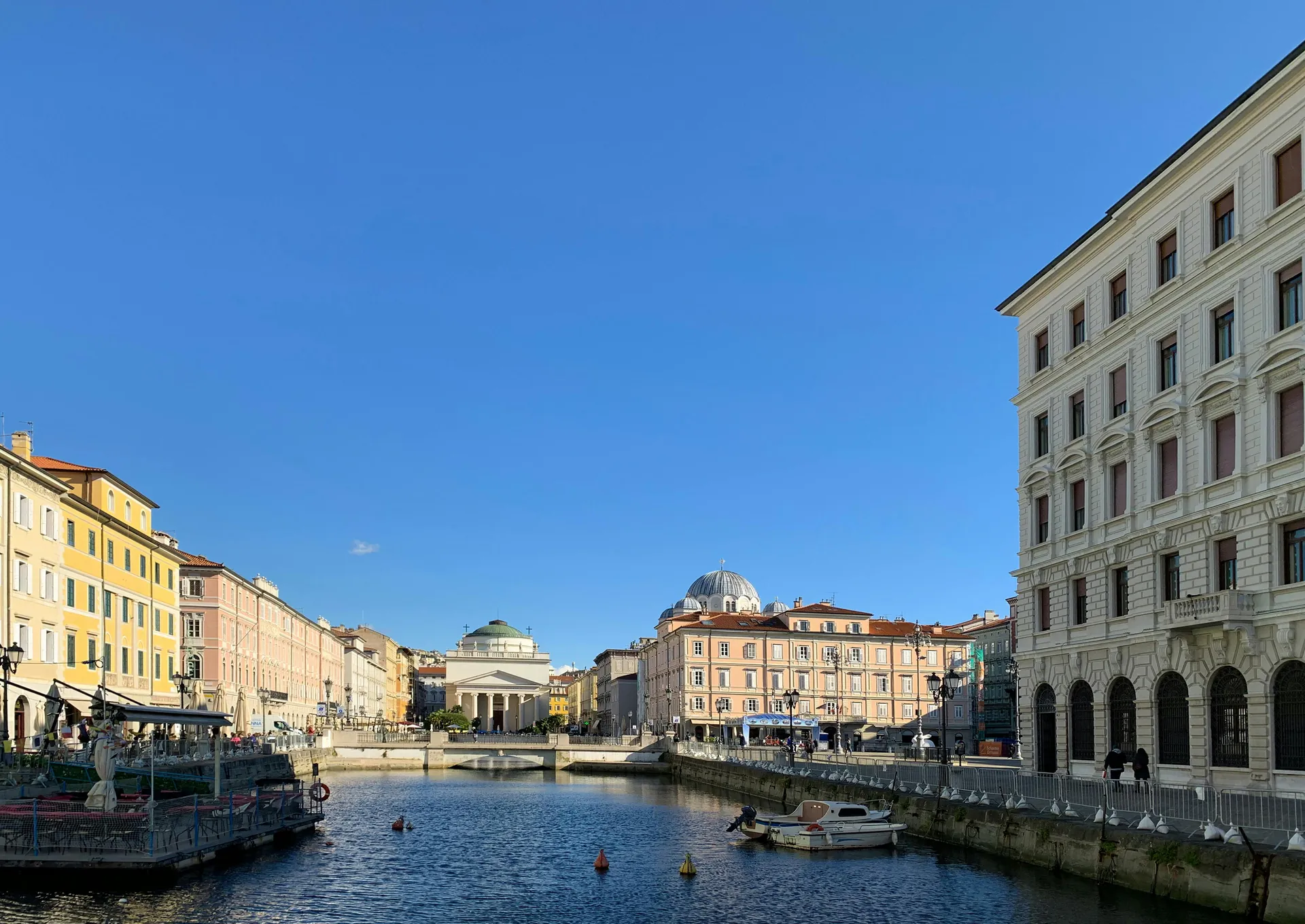
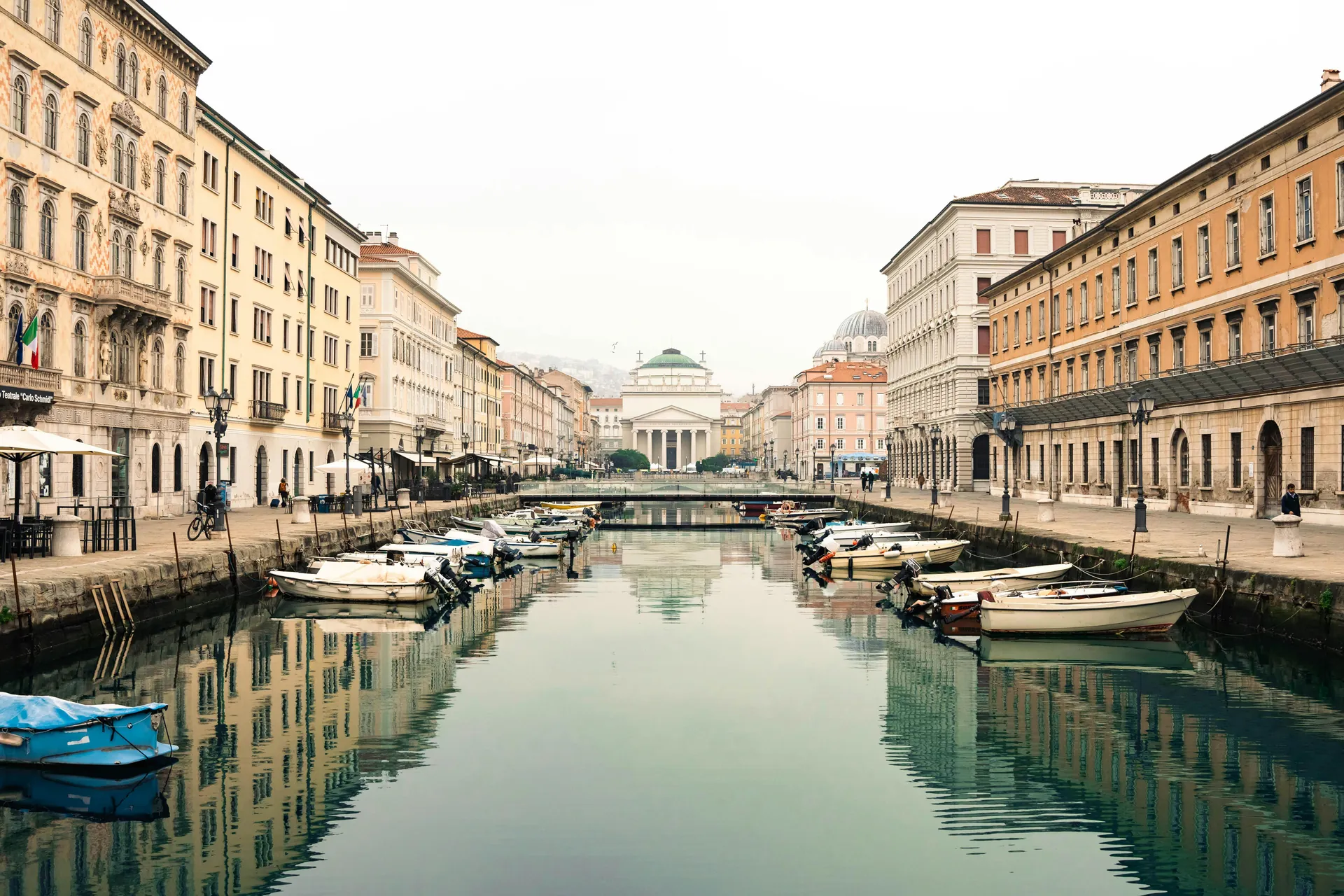
Walking away from my usual morning espresso at Caffè San Marco, the winter Bora wind often cuts straight through my heavy coat. Taking shelter along the water of the Canal Grande brings you face to face with a building that defines the Borgo Teresiano. The Tempio Serbo-Ortodosso della Santissima Trinità e di San Spiridione is a massive, blue-domed structure dominating the square. It anchors the Eastern European heritage of Trieste right in the city center. Visitors often wonder about the specific charm of Trieste compared to the rest of Italy. The answer is written in the stone of these streets. The architecture looks more like Vienna or Budapest than Rome or Florence. The city sits on a historical fault line of empires. The Orthodox temple represents a time when religious tolerance was a pragmatic business decision for the Habsburg rulers.
Merchant Wealth and Maria Theresa
The Serbian community has lived here since the early 18th century. When Empress Maria Theresa established the free port in 1719, the economic landscape shifted entirely. Wealthy merchants moved to the Adriatic coast to trade grain and timber. The imperial administration granted these Orthodox merchants permission to build a shared church in 1751. Initially, the Greek and Serbian communities worshipped in the same space. Decades later, they separated into distinct congregations over language and administrative disagreements. The Serbian community retained the original plot of land near the canal. As their commercial success grew, they required a larger place of worship. The community hired Milanese architect Carlo Maciachini to design the current building. Construction lasted from 1861 to 1869. If you want to understand the broader timeline of these merchant families, you can read more in our practical information guide.
Maciachini had a very specific vision for the new temple. He ignored the prevailing neoclassical trends of the era. The ground beneath the Borgo Teresiano was originally a salt pan. Building a massive stone church required sinking wooden piles deep into the marshy soil to create a stable foundation. The resulting structure sits high above the water level of the nearby canal.
Facade and Mosaics
He utilized a Byzantine-Neo-Renaissance style. The exterior walls feature bright blue mosaics that catch the afternoon light. Stone statues of saints line the upper ledges above Via di San Spiridione. The contrast between the pale local Karst stone and the gold-leaf details creates a distinct visual weight.
The Five Domes
The roofline has five separate domes. There is one massive central dome and four smaller surrounding ones. These domes completely alter the local skyline. Looking down from the hills, those silver-blue curves break up the usual sea of red terracotta roof tiles. They reflect the sky on clear days.
Russian Influence Inside the Nave
Stepping inside requires a brief adjustment to the dim light. The scent of beeswax and old incense hangs heavy in the air. The main focal point is the iconostasis. This is a tall wooden screen separating the nave from the sanctuary. It holds dozens of silver and gold-plated icons. Many of these pieces were direct gifts from teh Russian Tsar. Grand Duke Paul Alexandrovich of Russia visited the church and donated a massive silver candelabra. The physical elements reflect deep ties between Trieste and the broader Slavic world. The oil lamps are always lit. This is the kind of quiet space you want to take a moment in.
Travelers frequently debate whether Venice or Trieste is better for a weekend trip. Venice has the romance of the lagoon. Trieste has an unfiltered, lived-in reality. There are no ticket counters at the door of San Spiridione. The church serves a real, active congregation. Over ten thousand Orthodox faithful live in the region today. They attend Sunday liturgy here just as their ancestors did a century ago. You hear Serbian spoken on the church steps. You smell the incense drifting into the street. It is a working religious center rather than a static museum.
The Temple remains the spiritual anchor for the local Orthodox faithful, preserving a continuous religious tradition since the days of the Habsburgs.
Practical Visitor Details
Trieste is an exceptionally walkable city. You can easily walk from the main train station to the Borgo Teresiano in under fifteen minutes. When visiting active places of worship, modest dress is required. Shoulders and knees must be covered. Men should remove their hats. Photography is generally frowned upon during active prayer services. Once you finish your visit, you might need to fill your water bottle. You can drink tap water safely from any of the public fountains near the square. Summer visitors often wonder if there are mosquitoes in Trieste. The famous Bora wind usually keeps them away, but bringing a mild repellent for still August evenings is a smart idea.
| Category | Details |
|---|---|
| Address | Via di San Spiridione 9, 34122 Trieste |
| Accessibility | Wheelchair accessible main floor |
| Etiquette | Modest dress required (shoulders and knees covered) |
| Entry | Free (Donations accepted) |
Exploring the Surrounding Squares
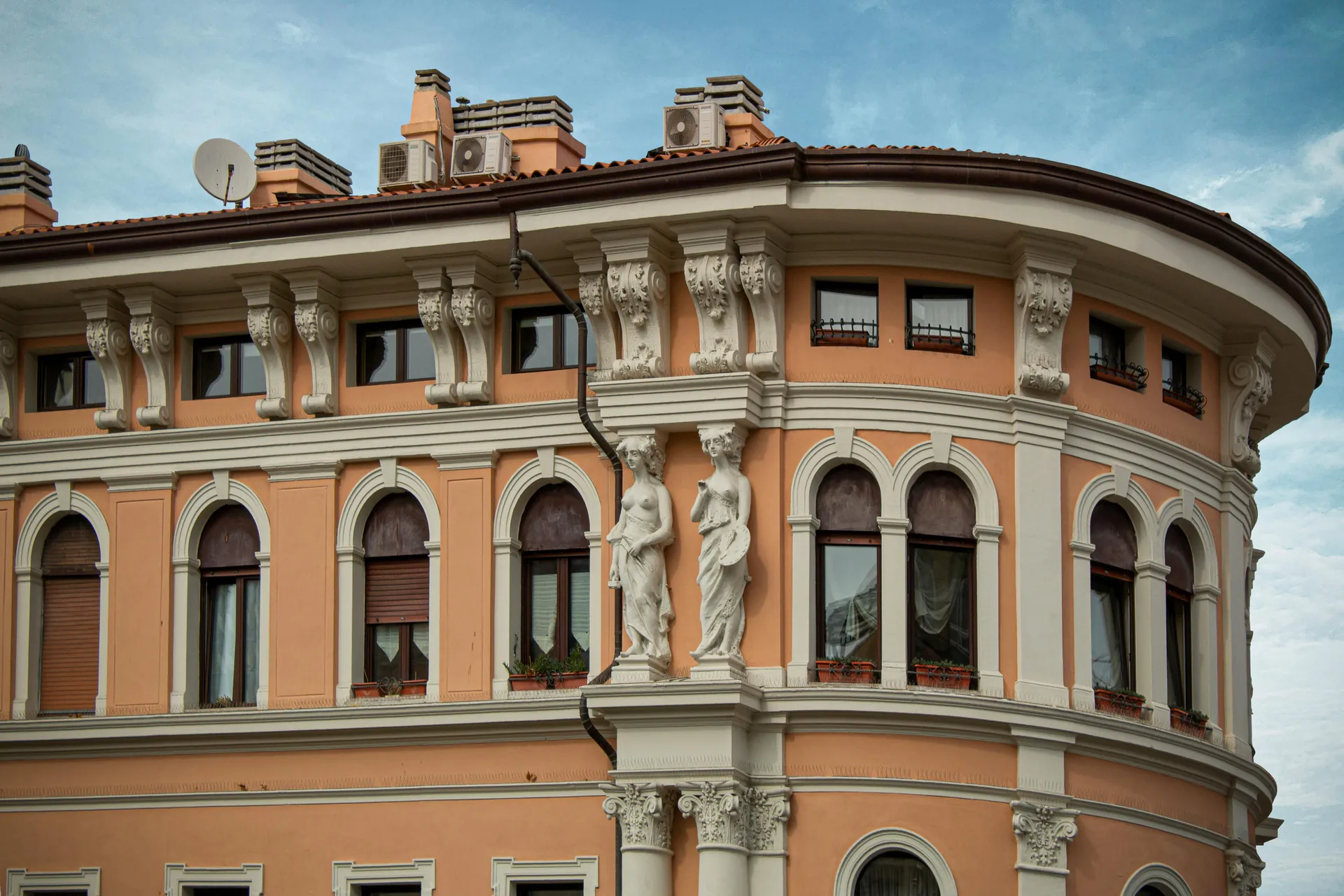
After leaving the church, the immediate neighborhood demands attention. The Canal Grande stretches out toward the sea, flanked by historic cafes and palazzos. Spiridione Gopcevic was a prominent Serbian shipowner. He built the Palazzo Gopcevic, an incredible building with a red and yellow geometric facade located right on the water. The neoclassical Chiesa di Sant’Antonio Taumaturgo sits directly across Piazza Sant’Antonio Nuovo. You can find more details on these adjacent squares in our places to visit section. To dive deeper into the local history, the Trieste Diocesan Archives offer extensive public records on religious demographics. Regional tourism initiatives supported by the Comune di Trieste frequently map out these cultural walking routes. For service schedules, you can consult the Official Serbian Orthodox Community Site.
Walking around this district builds an appetite. Instead of sitting down at a random cafe, you might join a Unique Food Tour with Local Flavors to find the back-alley spots where locals actually eat. You should try a slice of Presnitz or Putizza, the traditional nut-filled pastries of the city. If you stop for a meal, remember that tipping in Italy is not strictly mandatory, though leaving a few euros for good service is polite. If you want a more structured history lesson, a walking tour with a local guide will point out the architectural details you might miss on your own.
Skip the tourist traps near the main square. Drive up to the Karst plateau and find an osmiza for house-made wine and cheese. It is the most authentic way to spend a Triestine afternoon.