
Riserva Naturale della Val Rosandra
Introduction to Val Rosandra: The Karst’s Great Fracture
People often ask if Trieste is worth visiting just for its grand, coffee-scented piazzas. We locals know the city is only half the story. The true character of this borderland reveals itself when you leave the sea behind and climb into the Karst. I usually grab a quick capo in b at Caffè San Marco before driving fifteen minutes southeast to the Riserva Naturale della Val Rosandra. We call it Glinščica in Slovenian, a reminder of the deeply intertwined cultural roots that define this region. This is the only nature reserve in the entire province of Trieste, and it feels worlds away from the neoclassical palaces downtown.The valley is a massive geological fracture. A deep gorge cuts through pale, jagged limestone, creating a harsh microclimate where Mediterranean scrub brushes up against Alpine rock. It is a raw, exposed landscape. The Rosandra stream carved this path over millennia, dropping temperatures and channeling our infamous Bora wind into a howling funnel during the winter months.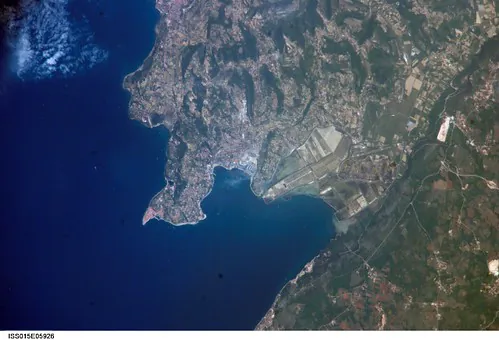
Geological and Natural Wonders
You will notice the sudden shift in vegetation the moment you enter the reserve. The high, sun-baked ridges are dry and rocky, while the bottom of the gorge is damp and shaded by oak and hornbeam trees. The centerpiece of the reserve is the Rosandra Waterfall, known locally as the Slap. It is a 36-meter cascade that crashes into a deep, clear pool. You need to time your visit correctly to see it at its best. The water volume drops significantly during the dry summer heat, so the falls are most spectacular after heavy spring rains or autumn storms.This unique environment supports an incredible range of wildlife. Golden eagles hunt along the cliffs. You can sometimes spot them circling high above the gorge. The flora is equally distinct, with several endemic plant species clinging to the rock faces. The regional authorities take conservation seriously here. The official FVG Tourism board maintains strict guidelines to protect the delicate balance of this ecosystem.Historical Heritage
The valley has a long memory. The Romans recognized the value of the Rosandra stream early on. They built a massive aqueduct in the 1st century AD to supply the ancient city of Tergeste with fresh water. You can still see the remains of the stone arches integrated into the hiking paths. A century ago, the Austro-Hungarian empire blasted a railway line through this rock to connect Trieste to Hrpelje. The tracks are gone now. The old route is a wide, flat cycling path that cuts straight through the limestone tunnels.The Climbing Legacy
Val Rosandra is holy ground for Italian mountaineering. These are teh sheer limestone walls that the old Triestine climbers cut their teeth on. Legendary alpinist Emilio Comici perfected his revolutionary free-climbing techniques right here in the 1920s and 30s. The rock is solid and heavily pocketed, making it ideal for technical ascents. The Club Alpino Italiano (CAI) still maintains dozens of bolted routes throughout the gorge, though climbing is strictly regulated during bird nesting seasons.Visitor Logistics
| Category | Details |
|---|---|
| Visitor Center | Located in Bagnoli della Rosandra. Open weekends for maps, trail advice, and historical exhibits. |
| Best Time to Visit | Spring and Autumn. Avoid January and February when the Bora wind makes the exposed ridges dangerous. |
| Public Transport | Take Trieste Trasporti Bus Line 40 or 41 from the city center directly to the Bagnoli terminus. |
| Safety & Gear | Sturdy hiking boots are mandatory. The karst rock is sharp. Carry plenty of water. |
Cultural Landmarks & Exploration
High up on the cliffs, completely isolated from the valley floor, sits the Church of Santa Maria in Siaris. It dates back to at least the 13th century. The white stone chapel looks like it was dropped onto the rocky spur by accident. It is an old pilgrimage site managed by the Diocese of Trieste, and reaching it requires a steep, rewarding hike up the scree slopes. Sitting on the low stone wall outside the church gives you an uninterrupted view all the way down the valley toward the Adriatic Sea.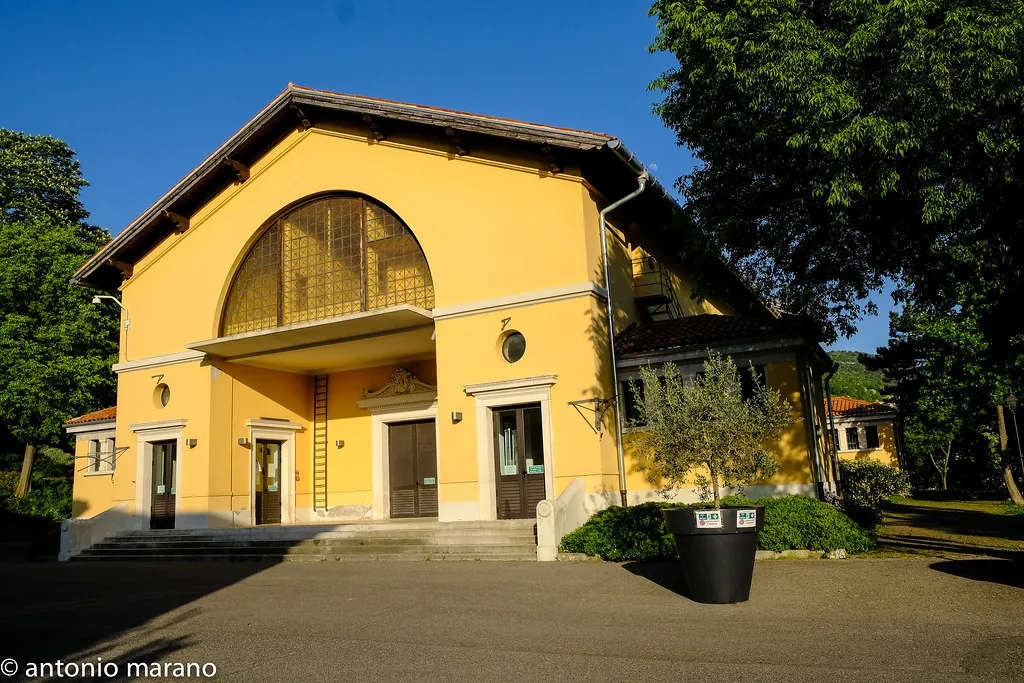
Locals never finish a hike in Val Rosandra without stopping at an osmiza. These are temporary farm taverns marked by a branch of ivy hanging over the road. We sit at wooden tables, eat hard-boiled eggs and local cured meats, and drink pitchers of young Vitovska wine. It is the absolute best way to experience the Karst.
Elena Valli