
Museo Teatrale Carlo Schmidl
Guardian of Trieste’s Musical Soul
When the winter Bora wind rattles the shutters of my apartment, I usually abandon the coastal promenades and take refuge in the city’s quieter, indoor corners. Trieste has a remarkably long memory, especially regarding music and the theater. If you sit long enough over a capo in b at Caffè San Marco, you can almost hear the phantom arguments of nineteenth-century sopranos and frustrated librettists echoing off the wood paneling. We are a city of readers, coffee drinkers, and harsh opera critics. To truly grasp this specific local obsession, you need to walk down to the Grand Canal and spend an afternoon inside the Museo Teatrale Carlo Schmidl.
Many visitors ask what makes Trieste so special compared to the classic Italian art cities further south. The answer lies in our Austro-Hungarian past. Trieste is famous for its cultural overlap, a place where Italian lyricism met Central European institutional backing. This museum captures that intersection perfectly. It is not just a building full of old violins; it is a record of how this border city entertained itself, rebelled, and formed its identity through the performing arts.
Historical Legacy and Palazzo Gopcevich
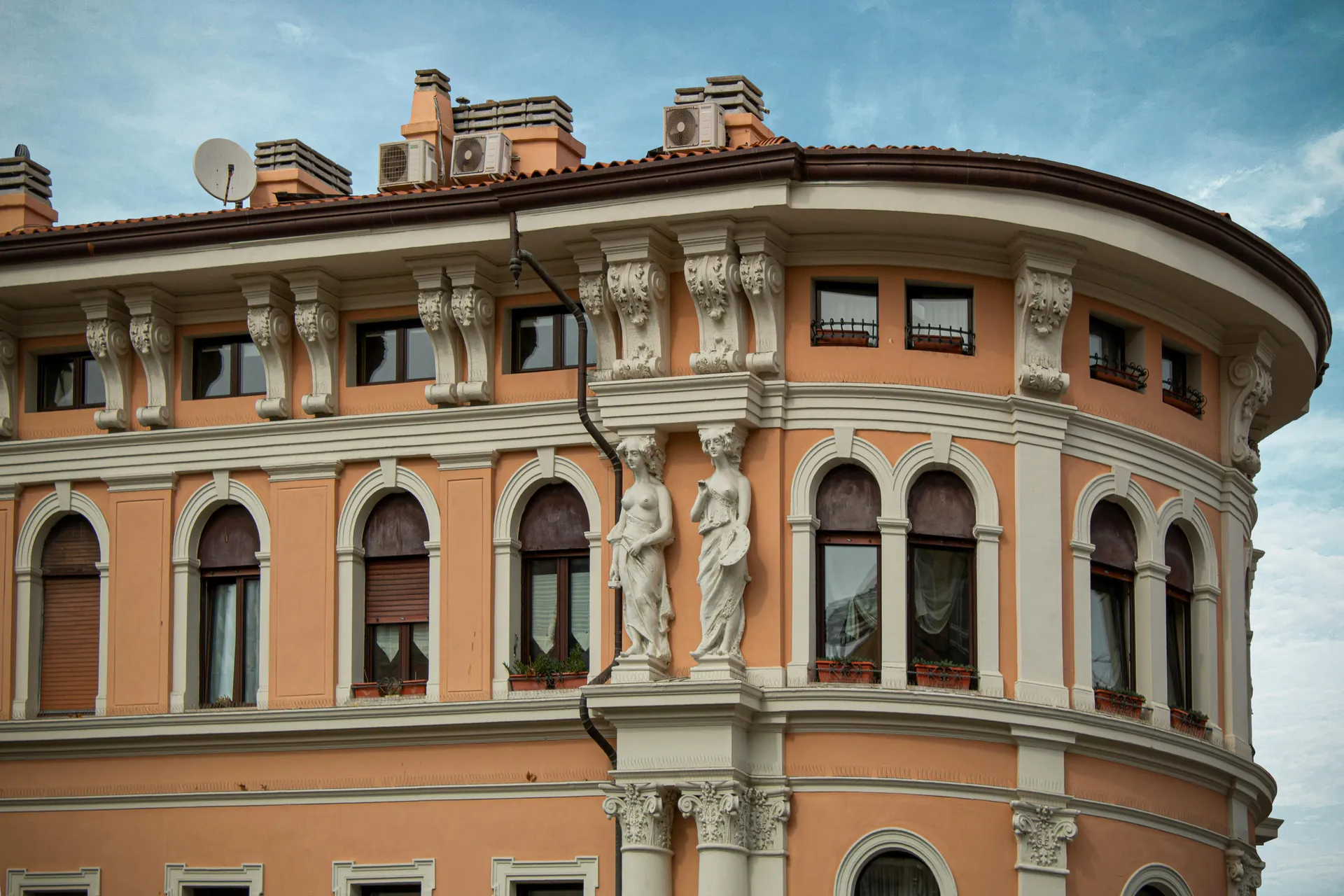
You will find the museum inside Palazzo Gopcevich. The building itself demands your attention before you even purchase a ticket. Architect Giovanni Andrea Berlam built this structure in 1850 for Spiridione Gopcevich, a wealthy Serbian merchant. The facade has a distinct red and white geometric brickwork pattern, interrupted by statues representing heroes and the arts. It reflects the eclectic, affluent tastes of the city’s mercantile class during the nineteenth century. The municipality eventually acquired the building, making it the permanent home for this vast theatrical collection.
The collection exists because of one man: Carlo Schmidl. Born in 1859, Schmidl was a prominent music publisher and an obsessive collector. He spent decades amassing playbills, librettos, and even teh personal belongings of composers who passed through our port. He had the foresight to realize that the ephemeral nature of theater needed physical preservation. When he died in 1943, he left this monumental archive to the Municipality of Trieste.
The Musical Instruments
The galleries hold a remarkable array of historical instruments. You will see the mechanical evolution of sound from the eighteenth century onward. There are early fortepianos, heavily carved harps, and an unusual assortment of woodwind and brass instruments. Some of these pieces belonged to local musicians who played in the city’s orchestras, while others were acquired by Schmidl from private estates across Europe. They are quiet now, but they give you a direct look at the tools that drove the romantic era of music.
Iconography and Archives
Beyond the instruments, the museum holds thousands of visual records. The walls display original posters, sketches for stage sets, and delicate costume designs. The library and archive section is immense. It contains original photographs, letters, and manuscripts that historians constantly refer to. This specific section is highly valued by academics across Italy, as it documents the daily operational realities of running a theater in a major European port city.
The Operatic Connection: Teatro Verdi
You cannot talk about the Schmidl Museum without talking about the Teatro Verdi. Located just a short walk away, the theater is the living, breathing counterpart to the museum’s historical records. Originally known as the Teatro Nuovo, and later the Teatro Comunale, it was the center of high society in Trieste. Verdi himself debuted two of his operas here: Il Corsaro and Stiffelio.
The museum acts as the official memory bank for the theater. The exhibits trace the theater’s architectural modifications, its changing political affiliations during the world wars, and the legendary performers who graced its stage. As a local, I appreciate looking at the old seating charts and subscription lists. You see the names of wealthy shipping magnates sitting right alongside local politicians. It is a very clear map of the city’s historical power structures, viewed through the lens of evening entertainment.
Visitor Information
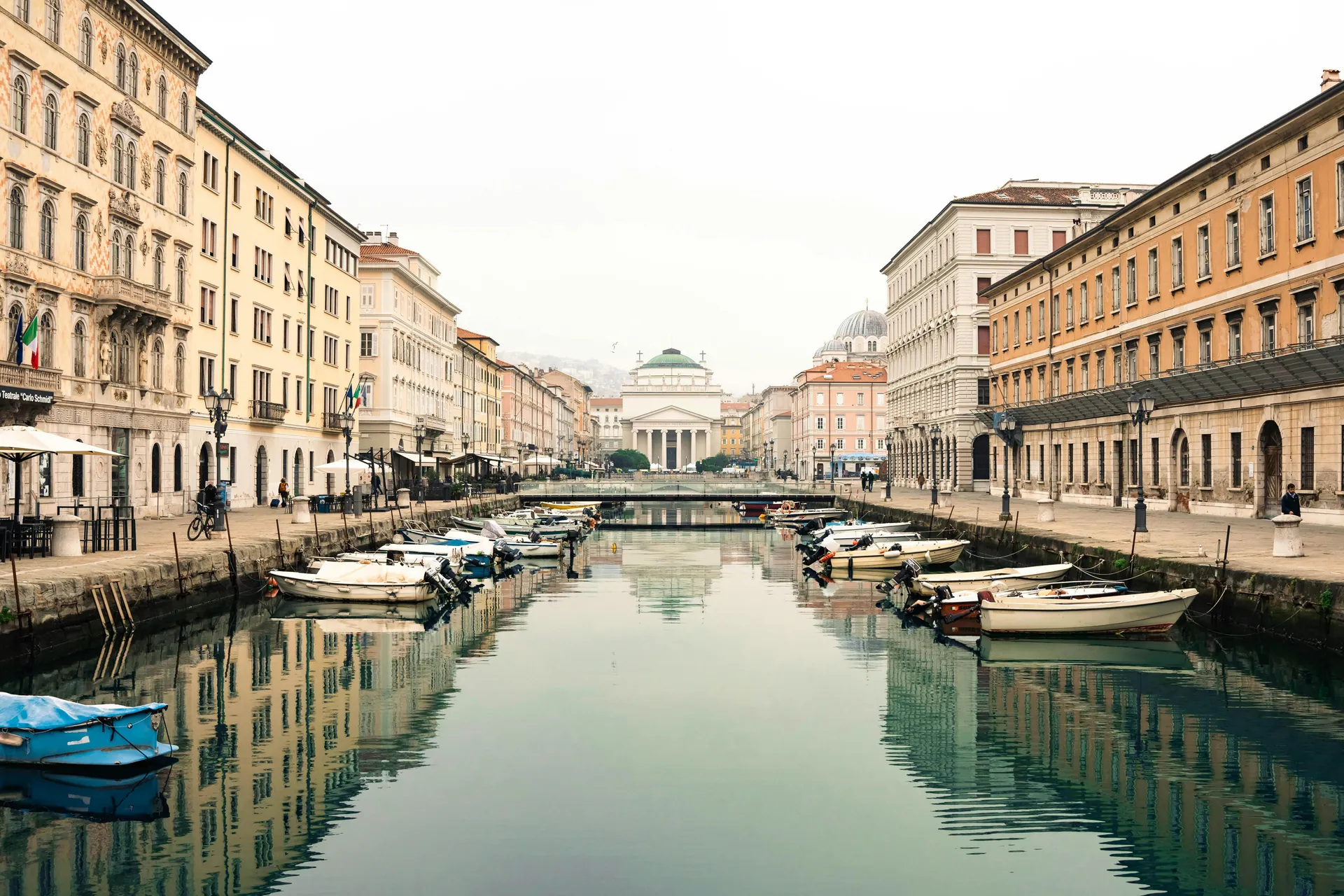
Trieste is a highly walkable city. The museum sits directly on the Canal Grande, which means you can easily reach it on foot from the train station or Piazza Unità d’Italia. The regional tourism board highly recommends visiting during the morning hours when the light hits the canal perfectly. Before you go, review the basic logistics below.
| Category | Details |
|---|---|
| Location | Palazzo Gopcevich, Via Gioacchino Rossini, 4, Trieste |
| Opening Hours | Wednesday to Sunday, 10:00 AM – 6:00 PM (Closed Mondays and Tuesdays) |
| Admission | €5.00 (Full Price), €4.00 (Reduced) |
| Accessibility | The Palazzo is equipped with elevators for upper floor access |
| Official Website | museoschmidl.it |
Planning Your Visit
If you are plotting out how to spend a day in Trieste, I suggest starting your morning here. You need about an hour and a half to walk through the galleries at a comfortable pace. Once you finish, you are in the perfect position to explore the rest of the Borgo Teresiano. You can find more recommendations on our Places to Visit page, which covers everything from the nearby Serbian Orthodox Church of Saint Spyridon to the Roman amphitheater.
Many travelers find that context greatly improves their appreciation of the city’s architecture. Booking a Trieste Walking Tour is an excellent way to connect the history you learn inside the museum with the grand palazzos you see on the streets. Our Top Activities & Tours section has several options that focus on the literary and musical paths of the city.
After your museum visit, do as the locals do. Walk away from the main squares and find a small osteria or take a short bus ride up to the Carso to visit an osmiza. Drink some local Vitovska wine and eat a plate of ham and cheese. Trieste is an elegant city, but it is also deeply unpretentious at its core. We like our high culture, but we never let it get in the way of a good, simple meal.
The Museo Teatrale Carlo Schmidl is not merely a collection of objects; it is a living archive of the operatic passion that defines Trieste.