
Stazione Idrodinamica
The Quiet Authority of the Porto Vecchio
We have a particular relationship with the wind here. When the Bora sweeps down across the Karst plateau, it strips the city of all pretense. The cafes along Piazza dell’Unità d’Italia empty out, and the sea turns a violent, frothy white. On days like this, I usually abandon the polished center of town and walk toward the raw edges of the Porto Vecchio. The Old Port is a massive, sprawling expanse of late nineteenth-century warehouses, rusted rail lines, and wide stone piers. At its absolute heart sits the Stazione Idrodinamica. It is a structure of red brick and iron that anchors the entire waterfront.
People often ask what is special about Trieste, Italy. The answer is usually tied directly to the ground beneath the Stazione Idrodinamica. Before the First World War, this city was the primary maritime outlet for the entire Austro-Hungarian Empire. The Habsburgs poured unfathomable resources into the Adriatic coast to create a modern, fiercely efficient port. The Stazione Idrodinamica was the muscular center of that ambition. It is a cathedral of industrial archaeology.
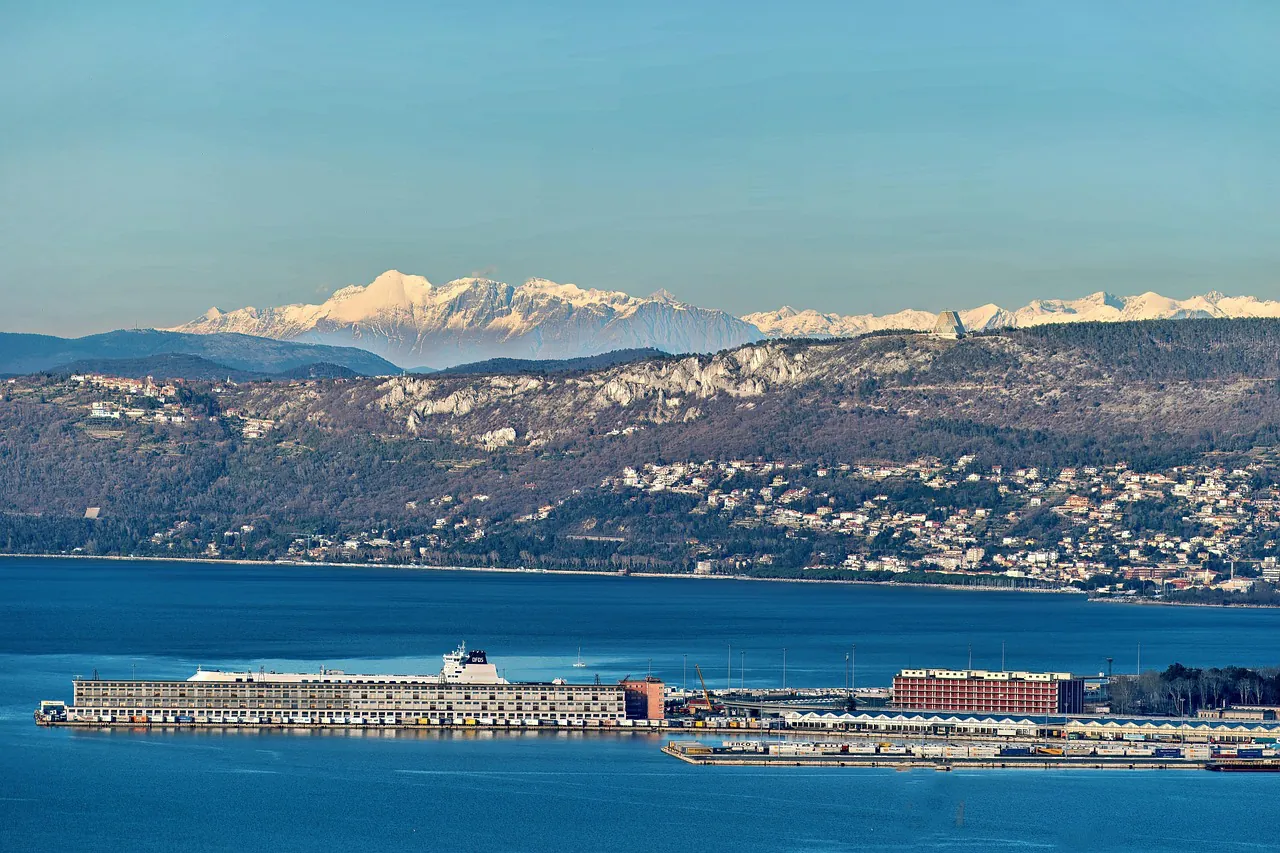
You can grasp the sheer scale of the old port on your own, but understanding the layered history of the waterfront sometimes requires a guide. A digital walking tour guided by a local provides a solid foundation of the city’s complex past before you wander off into the industrial sectors. I always tell visitors that to know Trieste, you have to understand its labor, its shipping lines, and the heavy machinery that built its wealth.
Historical and Architectural Significance
The station was completed in 1890. It is a massive square hall topped with a heavy slate roof and flanked by a towering brick chimney. The architectural style is deeply eclectic, pulling from the functional requirements of heavy industry and the aesthetic demands of the Austro-Hungarian state. The architects did not just build a shed for machines; they designed a monument to progress. The facades are defined by tall, arched windows that allow natural light to flood the interior, illuminating the iron trusses of the ceiling.
The Fondo Ambiente Italiano (FAI) has long recognized the site as a critical piece of Italy’s industrial heritage. It represents a specific moment in time when engineering and classical aesthetics shared the same blueprint. The brickwork is meticulous. The corners are reinforced with lighter stone quoins, giving the building a grounded, immovable presence against the harsh Adriatic weather.
The transition to electric power during teh early twentieth century eventually made the old hydraulic network obsolete. Yet, the building survived the World Wars, the shifting of national borders, and decades of total abandonment. Today, it stands as the focal point of the Trieste Porto Vecchio official redevelopment project, a massive urban renewal effort aimed at integrating the historic port back into the daily life of the city.
Industrial Functionality & Aesthetics
The Mechanics of Water Pressure
Hydraulic power was the lifeblood of the 19th-century port. The Stazione Idrodinamica housed a battery of massive Cornwall boilers. These coal-fired beasts generated steam, which in turn drove heavy pumping engines. The pumps forced water into tall, weighted accumulators. This created immense, constant water pressure that traveled through miles of underground cast-iron pipes.
This pressurized water was the invisible force moving the entire port. It operated the 100-ton cranes on the piers, turned the capstans that pulled railcars, and lifted the massive freight elevators inside the adjacent warehouses. When you walk through the station today, you can still see the enormous iron accumulators left exactly where they were installed. They are the sort of heavy machinery you might want to take a closer look at.
The Visual Appeal
For photographers and architects, the station is a masterclass in texture. The interior walls bear the scars of a century of coal smoke and heavy labor. The light filtering through the dust-streaked arched windows casts long, geometric shadows across the remaining machinery.
The chimney is the defining vertical element of the Porto Vecchio skyline. It is visible from the hills of the Karst and from the decks of the ferries arriving from Istria. Unlike modern industrial stacks, the chimney is tapered elegantly, built with rings of specialized refractory brick. It is a subject that demands a wide-angle lens and a keen eye for symmetry.
Walking the Port and Local Rituals
Visitors frequently ask if Trieste is a walkable city. The answer is an emphatic yes, though the sheer scale of the waterfront can deceive you. The walk from Piazza della Borsa along the Rive to the Old Port is entirely flat and follows the curve of the sea. It takes about ten minutes on foot from the center to reach the gates of the Molo IV area.
The Adriatic wind off the port can strip the heat right out of you. By the time you finish exploring the exterior of the Stazione Idrodinamica and the neighboring Magazzino 26, you will likely be ready for a substantial meal. Trieste is known for heavy, comforting food born from its Slavic and Austrian roots. After a morning among the cold iron and stone of the old port, locals usually seek out a bowl of hot jota. This is a thick, sour soup made from fermented turnips, beans, and smoked pork.
When the sun drops behind the sea, the cold sets in quickly. We usually leave the waterfront and drive up onto the Karst plateau to find an open osmiza, a temporary farmhouse tavern where local wine and cured meats are sold directly by the farmer. It is the perfect antidote to the industrial chill of the port.
Elena Valli
If you want to understand the exact mechanics of our regional cuisine and how it relates to the working-class history of the city, joining a small-group food tour with local tastings is a deeply rewarding way to spend your afternoon. The food here is heavy because the work on the docks was brutal. Every dish tells a story of calories needed to survive a twelve-hour shift moving coffee sacks.
💡 Experience Porto Vecchio with a Local Guide
Want to explore the Stazione Idrodinamica, the historic water tower, and Magazzino 26 on foot? Join the Free Walking Tour of Trieste’s Old Port led by museum educator and published historian Zeno.
Visitor Information and Practicalities
Access to the Porto Vecchio is currently a fluid situation. The area is an active construction site as the city executes a decades-long revitalization plan. While the main pedestrian arteries are open, getting inside the Stazione Idrodinamica often requires timing your visit to coincide with specific cultural festivals, art exhibitions, or the annual Barcolana regatta events.
| Category | Details |
|---|---|
| Location | Porto Vecchio, near Magazzino 26, Trieste |
| Accessibility | Pedestrian access via Viale Miramare. Flat terrain. |
| Current Use | Restored multi-functional space for cultural events. |
| Nearby Landmarks | Magazzino 26, Museo del Mare, Sottostazione Elettrica. |
| Admission | Free to view exterior. Interior access depends on specific event ticketing. |
The Future of Porto Vecchio
The Stazione Idrodinamica is not an isolated relic. It belongs to a vast network of buildings that the Municipality of Trieste is actively folding back into the urban fabric. Right next door sits Magazzino 26, the largest warehouse in the port, which has already been transformed into a sprawling museum hub. The contrast between the fully restored buildings and the crumbling facades of the untouched warehouses creates a strange, beautiful tension along the waterfront.
For more detailed itineraries involving the Old Port and the surrounding coastal roads, you can explore our broader guide on places to visit in Trieste. If you are planning to arrive by train or need details on navigating the local bus network to reach the Molo IV gates, our practical transport information page covers the specifics.
The old port does not ask for your admiration. It simply stands there, heavy with the memory of steam and iron, waiting for the city to remember how to use it again.
Trieste is a city of layers. You have the Roman ruins on the hill, the neoclassical palaces of the merchants along the Grand Canal, and the raw, unapologetic industry of the Porto Vecchio. The Stazione Idrodinamica bridges the gap between the era of sail and the modern mechanical age. Standing in the shadow of its great brick chimney, listening to the water slap against the stone piers, you get a clear, unfiltered sense of exactly what this city was built to do.