
Strada Napoleonica
A Balcony Over the Adriatic
We Triestini have a specific relationship with our local geography. Pinched between the dark waters of the Adriatic Sea and the harsh limestone plateau of the Karst, our city forces you to look either out toward the horizon or straight up. Most mornings, after a strong capo in b at Caffè San Marco, I find my thoughts drifting up toward the edge of that plateau. That is where you find the Strada Napoleonica. Officially recorded as the Strada Vicentina, this wide trail cuts a clean, horizontal line across the cliffs above the city. It is the kind of path locals constantly return to.
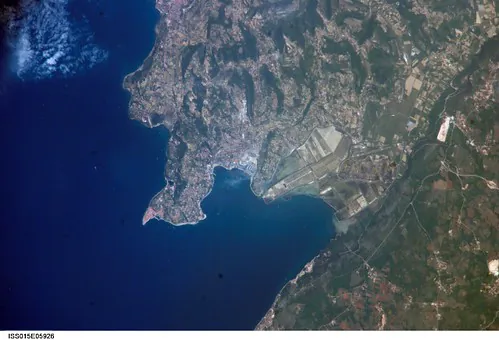
People often ask what makes Trieste so different from the rest of Italy. The answer lies in this collision of topographies and cultures. Trieste is fundamentally a walkable city, and the Napoleonica extends that walkability beyond the paved piazzas and right into the wilder margins of the Friuli-Venezia Giulia region. You leave the heavy neoclassical architecture behind and enter a corridor of pine trees and white rock, with the entire gulf spread out below you.
Debunking the Myth: History and the Obelisk
The trail begins at the Obelisk of Opicina. This monument was erected in 1830 to commemorate the opening of the road connecting Trieste to the interior of the Austro-Hungarian Empire. The trailhead here is unassuming. You pass the monument, turn onto the gravel, and the city falls away.
Despite the popular name, there is no historical evidence that Napoleon Bonaparte ever set foot on this specific cliffside. The French troops did occupy Trieste briefly in the early 19th century, which likely sparked the romanticized local nickname. In reality, the engineer Giacomo Vicentini designed and commissioned the path in 1821. While architects like Matteo Pertsch designed many of the city’s grandest buildings, this simple gravel road remains Vicentini’s most beloved public work.
| Trail Feature | Logistical Details |
|---|---|
| Start Point | Obelisco di Opicina (Trieste) |
| End Point | The Village of Prosecco |
| Length | Approx. 3.5 to 4 kilometers (one-way) |
| Terrain | Wide, mostly flat gravel path |
| Accessibility | Suitable for strollers, joggers, and casual walkers |
| Cost | Free public access |
The Route and the Experience
The View and the Karst
The walk toward Prosecco takes about an hour if you maintain a steady pace. The path is completely exposed on the left side, offering an uninterrupted view of the water. On clear days, you can easily see the coastline curving down toward Slovenia and Croatia. Below you, the white turrets of Miramare Castle jut out into the sea. The landscape on your right is pure Karst, or Carso as we call it. This is a harsh ecosystem defined by porous limestone, tough scrub oak, and black pine. In autumn, the sumac bushes turn a deep, violent red that bleeds across the pale rock.
The Climbing Culture
About halfway down the trail, you will notice white dust coating the base of the cliffs. The Napoleonica is a premier destination for rock climbing. The vertical limestone walls provide hundreds of bolted routes. On weekends, the path is busy with local alpinists laying out ropes and chalking their hands. It is a highly respected training ground overseen by local alpine clubs like CAI Trieste. You do not need gear to enjoy this aspect of the trail. Watching the climbers navigate the overhangs with the sea directly behind them is a spectacular way to pass an afternoon.

Practical Tips for the Trail
Before you head up teh hill to start your walk, you need to understand the local weather. Trieste is defined by the Bora, a powerful, descending katabatic wind that strikes the city with little warning. January is typically our coldest month, and the Bora is the primary reason. The wind accelerates as it rolls off the Karst plateau down to the sea.
The Strada Napoleonica is famously sheltered from the Bora. Because it sits on the protected side of the ridge, it remains a calm, pleasant walk even when gusts exceed 100 kilometers per hour in the city below.
During calm weather, the trail is incredibly benign. It is highly recomended for families with strollers or travelers wanting a flat, scenic jogging route. There is little shade in the middle of the day during the summer months. Early morning and late afternoon are the most comfortable times to visit. Sunset here is a local ritual. The sun drops directly into the Adriatic, turning the water and the white limestone a deep shade of gold.
For visitors organizing a broader itinerary, walking this trail pairs perfectly with a Trieste Walking Tour in the morning and a hike up here in the afternoon. If you prefer structured logistics, you can also book a Private Trieste Sightseeing Tour that includes transport up the steep escarpment to the Opicina trailhead.
Getting There: Trams and Transport
The starting point at the Obelisk is a few kilometers outside the city center, elevated by over 300 meters. The most famous way to reach Opicina is the historic Tram de Opcina, a unique hybrid tramway and funicular that pushes carriages up the steep incline. The tram has faced long periods of maintenance in recent years. You should check current operational status via Trieste Trasporti before planning your morning around it.
If the tram is inactive, Bus Line 4 departs from Piazza Oberdan in the city center and drops you directly at the Obelisk. The ride takes about twenty minutes. If you are driving, there is a small parking lot near the trailhead, but it fills up very quickly on sunny weekends. Many locals park at the end of the trail in Prosecco and walk backward toward Opicina, or simply take the bus to avoid parking entirely.
The Prosecco Connection
The trail concludes at the village of Prosecco. Yes, this is the namesake village of the famous Italian sparkling wine. The origins of the Glera grape trace back to this specific slice of the Karst plateau. While the massive commercial production of Prosecco has largely shifted west to the Veneto region, the historical roots remain right here.
Reaching the end of the trail is a good excuse to seek out an osmiza. These are temporary, rustic farm taverns unique to the Karst where local farmers sell their own wine, cured meats, and cheeses directly to the public. The tradition dates back to the Austro-Hungarian Empire. Finding an open osmiza requires looking for a bundle of fresh ivy hung at a crossroads in the village. Sitting at a wooden table in Prosecco, drinking local wine after walking the Napoleonica, is the most authentic way to experience this corner of the world. For broader regional itineraries involving local wine and food history, the Turismo FVG official portal maintains a directory of active rural producers.
Once you finish your walk and your wine, you can catch Bus Line 42 from Prosecco back down the hill into the center of Trieste. The descent is steep, the brakes of the bus squeal at every switchback, and the city rises up to meet you once again.