
Lanterna di Trieste
The Guardian of the Gulf
The wind changes its mind often in this corner of the Adriatic. When the Bora sweeps down from the Karst plateau, it strips the sky of moisture and leaves the Gulf of Trieste in sharp, uncompromising focus. On days like this, I take my coffee at Caffè San Marco, finish my espresso, and walk down the Rive toward the Molo Fratelli Bandiera. At the very edge of this pier sits the historic Lanterna di Trieste. Many visitors mistake our primary lighthouse for this one. They confuse it with the grander Faro della Vittoria built much later on the opposite hill. The old Lanterna has a quieter dignity. It is the original guardian of our harbor. It is a solitary neoclassical sentinel that guided the commercial ambitions of the Austro-Hungarian Empire into our port.
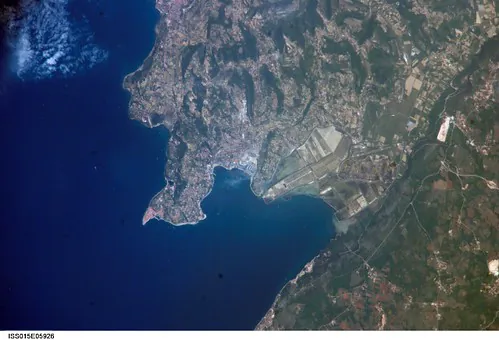
People often ask if Venice or Trieste is better for a coastal Italian escape. Venice has the canals and the Renaissance spectacle. Trieste has a raw, lived-in authenticity. You do not come here to check off a massive list of famous sights. You come to absorb the atmosphere. The very name of the city stems from the ancient Roman ‘Tergeste’, implying a market or trading post. This harbor has fulfilled that purpose for millennia. Walking the Rive to the Lanterna gives you a profound sense of that history.
Origins and Architecture
Matteo Pertsch understood the gravity of imperial design. He designed the Teatro Verdi and the Rotonda Pancera, bringing a severe but elegant aesthetic to our maritime infrastructure. Built between 1832 and 1833, the Lanterna replaced a series of inefficient fires and makeshift beacons. The stone cylinder rests on a solid, fort-like base, an architecural choice that reflects the defensive and commercial priorities of the era. The Austrian Empire needed a reliable signal for the ships carrying coffee and timber into the free port.
The construction utilized local Karst stone. This material is heavy, porous, and highly resistant to the aggressive sea salt. Today, the official Friuli Venezia Giulia tourism board recognizes the lighthouse as a protected historical monument. It no longer flashes its beam across the water to guide the massive container ships. It remains a fixture of the city skyline, a constant marker for small fishing boats and local sailors returning home.
El Pedocin
La Lanterna Beach is affectionately known to every Triestino as El Pedocin. This small stretch of pebbles is the only beach in Europe that still maintains a physical wall dividing men and women. The white wall extends directly into the water. It is a social institution. During the summer, grandmothers and weary office workers pay the nominal 1.20-euro entry fee to sunbathe in complete unbothered comfort. It is an extraordinary remnant of 19th-century modesty that evolved into a fiercely protected local quirk. If you want a morning swim surrounded by the rapid-fire dialect of Trieste, this is the place to experience our authentic daily life.
A Transition of Power
The lighthouse ceased its primary navigational duties in the 1920s when the monumental Faro della Vittoria took over on the Gretta hill. The old beacon could no longer meet the demands of modern shipping lanes. It remains in quiet retirement. The Port of Trieste Authority expanded the surrounding docks into a vast network of modern terminals over the decades. This stone tower anchors the older era of sail and early steam. It reminds us of the days when maritime trade dictated the rhythm of the entire city.
Visiting the Lanterna: Logistics and Local Tips
Is Trieste a walkable city? Absolutely. The entirely flat stretch from Piazza Unità d’Italia to the Lanterna makes for a pleasant, effortless stroll. You can walk the entire length of the waterfront without breaking a sweat, provided the Bora is not blowing against you. Reviewing the practical info before your walk helps you time the sunset perfectly.
| Feature | Details |
|---|---|
| Location | Molo Fratelli Bandiera, 34123 Trieste |
| Best Time to Visit | Late afternoon or sunset for ideal lighting |
| Accessibility | Pedestrian-friendly pier, flat paved surface |
| Public Transport | Accessible via Trieste Trasporti bus lines 8, 9, and 17 |
| Nearby Sights | Salone degli Incanti, Molo Audace |
Weather plays a significant role in your visit. What is the coldest month in Trieste? January takes that title, largely due to the biting winds. If you visit the Lanterna then, wear a heavy coat and secure your scarf. Summer visits bring different considerations. Are there mosquitoes in Trieste? Yes, the warm evenings near the water do attract them. Bring repellent if you plan to stay on the pier after dark to watch the lights of the boats.
Before walking the pier, stop at a nearby cafe for a slice of presnitz. It is the traditional dessert of Trieste. This rolled pastry is filled with nuts, raisins, and a touch of rum. It perfectly captures our Central European roots and pairs exceptionally well with a dark espresso.
Elena Valli
Cultural Impact and Perspectives
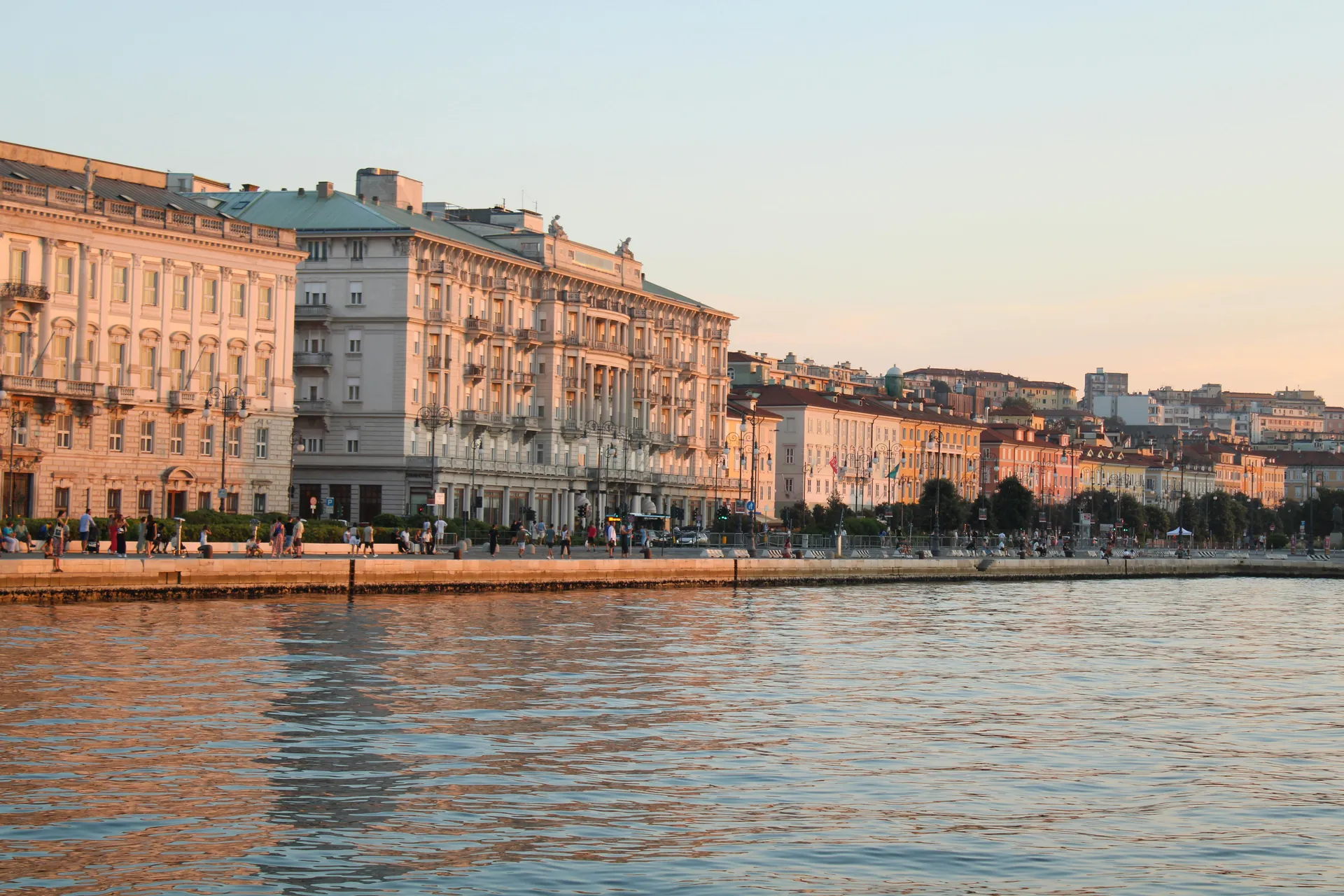
To truly understand Trieste, you have to look at it from the water. Walking to the end of the Molo Fratelli Bandiera provides a reverse perspective of our grand neoclassical waterfront. You see the Molo Audace cutting into the sea. You see the massive arches of the Salone degli Incanti. You watch the limestone facade of Piazza Unità d’Italia receding toward the hills. It is a place I always bring my friends to. Local writers have long used the Lanterna as a motif for the city’s specific brand of nostalgia. It is a symbol of a longing for the sea and the lost ships. After a late afternoon watching the sunset from the pier, locals often head up into the Karst hills to find an open osmiza for local wine and cured meats.
What food is Trieste known for? We are a port city with a split personality. We eat jota, a hearty soup of sour turnip and pork, in the winter. We eat fresh Adriatic seafood in the summer. A dinner after visiting the Lanterna should involve local fish paired with a crisp Vitovska wine. If you wish to explore the local cuisine further, the Trieste: Unique Food Tour with Local Flavors and Tastings is an excellent choice. It walks you through the historical center and introduces you to the flavors of the border.
If you prefer to focus on the architecture and the stories of the streets, consider booking a Trieste Walking Tour with Audio and Written Guide by a Local. For a more personalized experience, a Private Trieste Sightseeing Tour can guide you through the historical nuances of the waterfront and the old town. These walks provide the context needed to fully appreciate the stone monuments scattered along our coast.
The Lanterna does not ask for your attention. It simply stands at the edge of the city, a quiet reminder of the sea that built Trieste.