
Mercato Coperto
The Beating Heart of Via Carducci
Morning routines in Trieste possess a specific rhythm, dictated equally by the intensity of the Bora wind and the pursuit of a proper espresso. People frequently ask what is special about this city at the edge of the Adriatic. It lacks the overwhelming Renaissance majesty of Florence or the ancient ruins of Rome. Visitors plotting a grand Italian tour usually prioritize the famous “Big 3 of Italy”—Rome, Florence, and Venice. Trieste is different. It is a border town, a place where Italian, Slavic, and Germanic cultures collide. You feel this collision most intensely not in the formal museums, but in the spaces of daily commerce.
If you step away from the grand cafes of Piazza Unità, you find the real pulse of the city inside the Mercato Coperto. This covered market at Via Carducci 36 is where the older generation still gathers to inspect the morning’s catch and argue over the ripeness of local tomatoes. It is a place they buy their daily bread at. The air inside smells of damp earth and sharp cheese, a sharp contrast to the salty sea breeze along the waterfront.
Rationalist Bones and Glass Canopies
Giorgio Polli designed the structure in 1936. The building is a prime example of Italian Rationalism, relying heavily on reinforced concrete and sharp, unsentimental lines. A massive central hall sits beneath an expansive glass roof. The natural light pours in, illuminating the geometric symmetry of the architecure. The market was originally built to replace open-air stalls that left vendors entirely exposed to the elements. January is the coldest month in Trieste, and the thick concrete walls of Polli’s market provided much-needed shelter from the freezing winter winds.
You can read more about Polli’s civic contributions on the Trieste Tourism Official Site.
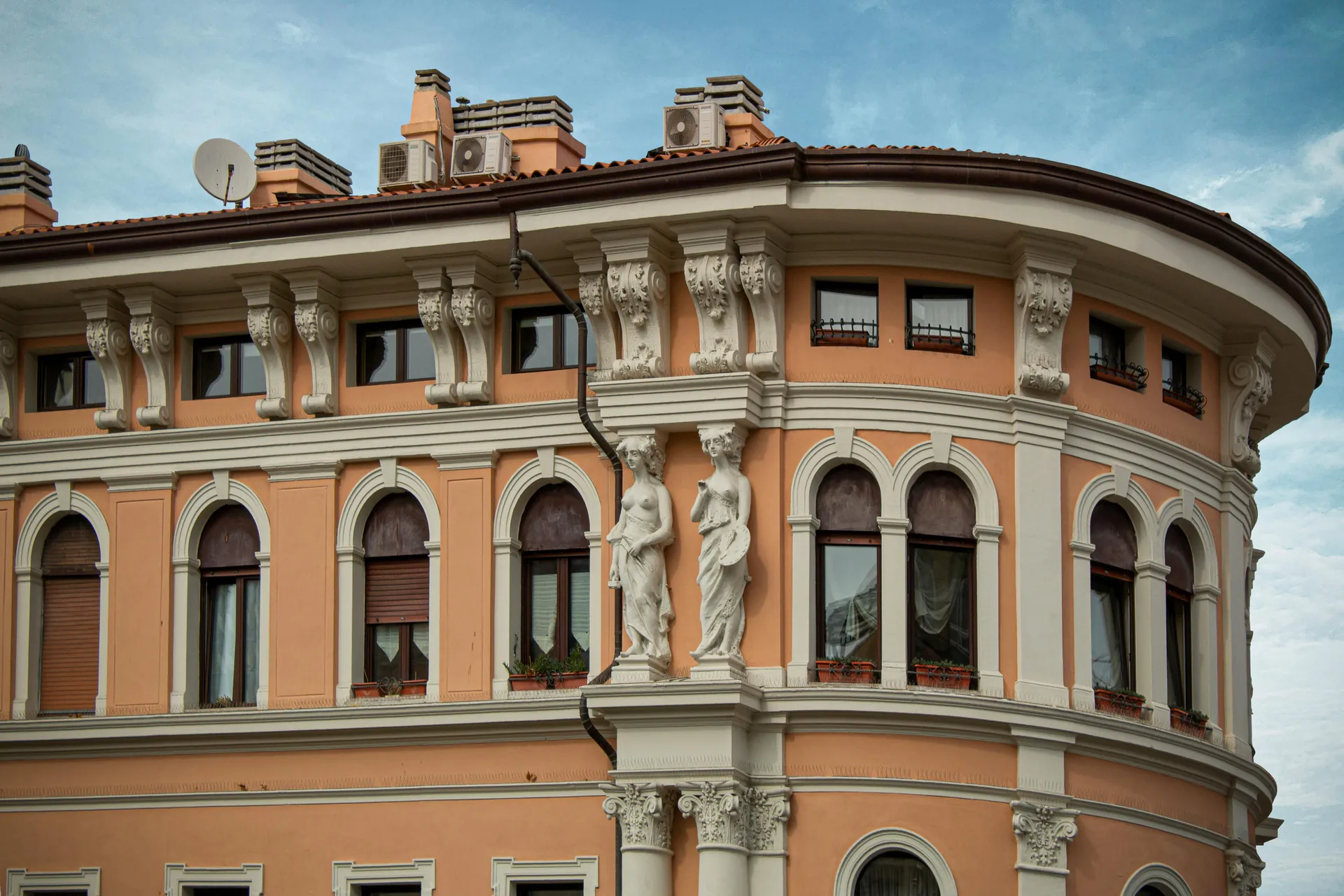
The space feels cavernous yet deeply intimate. The high ceilings absorb the loud chatter of vendors, creating a steady hum that echoes across the ground floor. It contrasts sharply with the nearby grand historical sites, acting instead as a living archive of Triestino daily life. We cover other essential cultural landmarks in our Places to Visit guide.
The Sensory Experience
The aisles smell of sharp aged cheese and earthy root vegetables pulled straight from the Karst plateau. You hear the slap of butcher paper and the rapid-fire exchange of the Triestine dialect. Is Trieste more Italian or Slovenian? You find the answer right here at the food stalls. The vendors speak Italian, but they sell products steeped in Slavic traditions. The stalls are piled high with seasonal produce from the Friuli-Venezia Giulia countryside. A quiet urgency defines the early morning rush, as locals secure the best cuts of meat before the mid-day lull.
Local Etiquette
Interacting with the vendors requires a basic understanding of local manners. You must always start an exchange with a clear, polite “Buongiorno.” Pointing silently at a block of cheese is generally frowned upon. A bit of eye contact and a greeting build immediate rapport. Is it rude not to tip in Italy? This question plagues many foreign visitors, but in the context of the Mercato Coperto, tipping is entirely unnecessary. You pay the exact amount weighed on the scale. They appreciate the effort of a greeting, even if your Italian is limited to a few halting phrases.
Arrive before 9:00 AM. By noon, the best Formaggio Tabor is gone, and the stalls begin their slow, noisy shutdown process.
Market Logistics
The market is entirely free to enter and the ground floor is fully wheelchair accessible. Is Trieste a walkable city? Yes, absolutely. The market sits on flat ground, a short distance from the primary pedestrian zones. You can easily carry your groceries back to your accommodation. If you are visiting in the height of summer, the indoor market offers a cool respite from the midday sun, and it is thankfully free of the mosquitoes that sometimes annoy visitors near the waterfront at dusk. Prices for goods vary by vendor, though they are reliably lower than those found in tourist-centric grocery stores around the historic center. For more practical advice on navigating the city, see our Practical Info page.
| Category | Details |
|---|---|
| Opening Hours | Mon: 08:00 AM – 02:00 PM, Tue-Sat: 08:00 AM – 05:00 PM (Sunday Closed) |
| Accessibility | Ground floor is flat and fully accessible |
| Location | Via Carducci 36, 34125 Trieste |
| Best Time to Visit | Early morning (08:00 AM – 10:00 AM) |
To verify municipal schedules or holiday closures, check the City of Trieste Official Portal.
Culinary Treasures and the Surrounding Streets
The Mercato Coperto is an excellent starting point for assembling a picnic. You will find vendors selling Formaggio Tabor, a distinctive local cheese from the surrounding Karst region, alongside thin slices of Prosciutto di San Daniele. Do not skip the Cotto di Trieste, a warm boiled ham carved right off the bone, traditionally served with a dollop of fresh mustard or horseradish. You will also see locals buying ingredients for Jota, the signature dish of Trieste. It is a heavy, sour soup made from fermented cabbage, beans, and smoked pork. The raw ingredients for this winter staple are stacked high in the vegetable stalls. The regional food guide at Turismo FVG details the rich history behind these specific cuts of meat.
A deeper exploration of the city’s food culture is easy to arrange. A Trieste unique food tour with local flavors and tastings often routes near these historic stalls to explain the Slavic and Austro-Hungarian influences on our plates. If you prefer to focus on the architecture and street history, a private Trieste walking tour with a local provides invaluable context for the surrounding neighborhood.
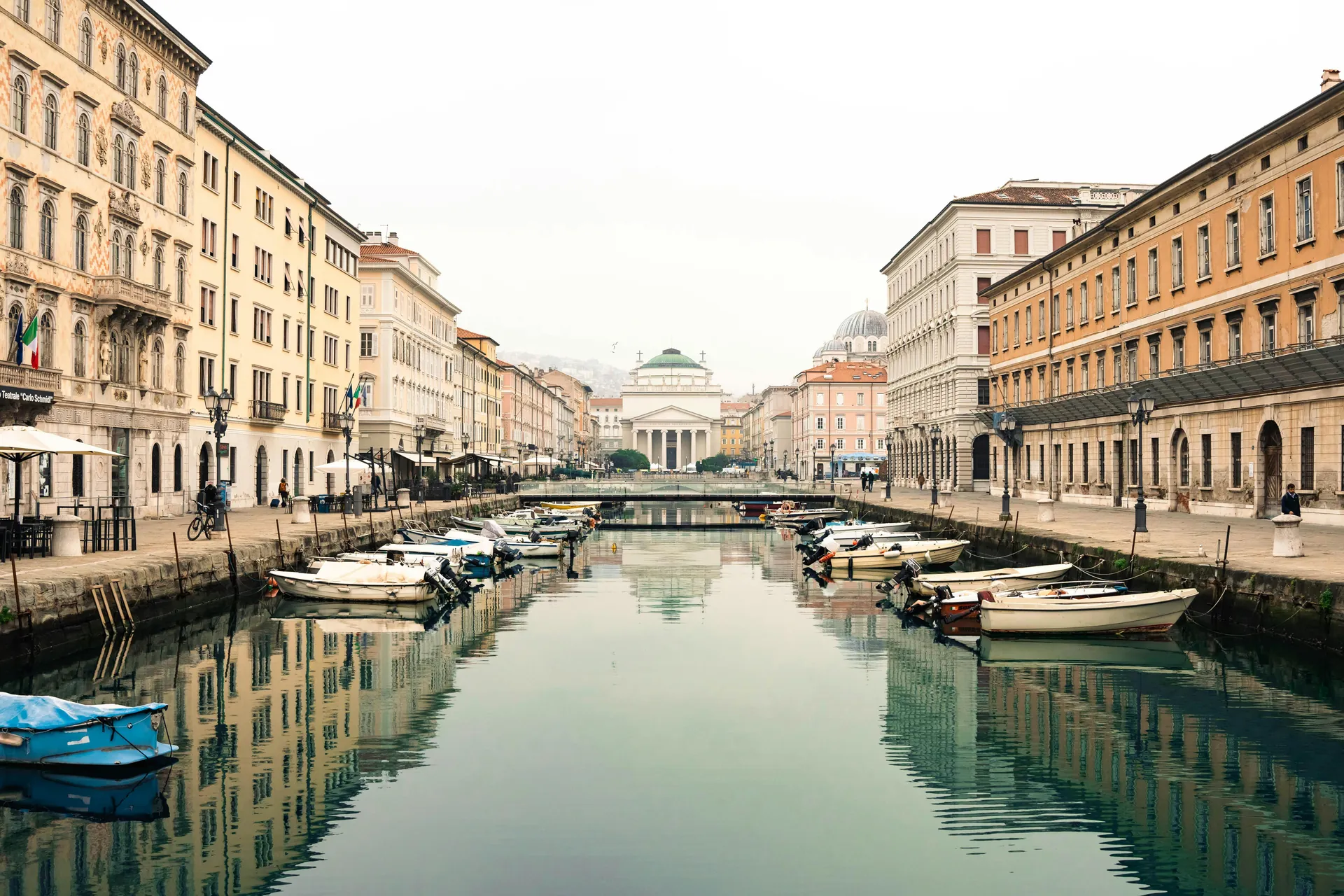
Once your shopping bag is full, the city center remains highly walkable. The Salone degli Incanti, the cavernous former fish market now used for art exhibitions, is about a ten-minute walk toward the waterfront. The Canal Grande is even closer, roughly eight minutes away on foot. It is a logical route to take in teh early hours before the afternoon crowds gather along the banks.
Trieste is a city that rewards the observant traveler. The Mercato Coperto gives you a direct, unfiltered look at the people who call this border city home. You walk away with a wedge of sharp cheese, a paper cone of olives, and a deeper understanding of the rhythm that keeps this port town moving long after the morning coffee is finished.