
Civico Orto Botanico
The Green Lung of Trieste
Trieste is a city defined by its hard edges. We are a frontier settlement of pale limestone, deep water, and rigid neoclassical facades. Our days often begin over a strong espresso at Caffè San Marco, surrounded by the heavy weight of Austro-Hungarian history. The physical environment is equally demanding. The Bora wind routinely strips the streets of anything fragile, teaching us to appreciate the permanence of stone. Finding an environment dedicated to delicate, cultivated life requires a deliberate detour from the seafront. The Civico Orto Botanico occupies a 4,200-square-meter footprint on Via Marchesetti. It is a quiet study in green, deliberately removed from teh sharpest gusts of our infamous wind.
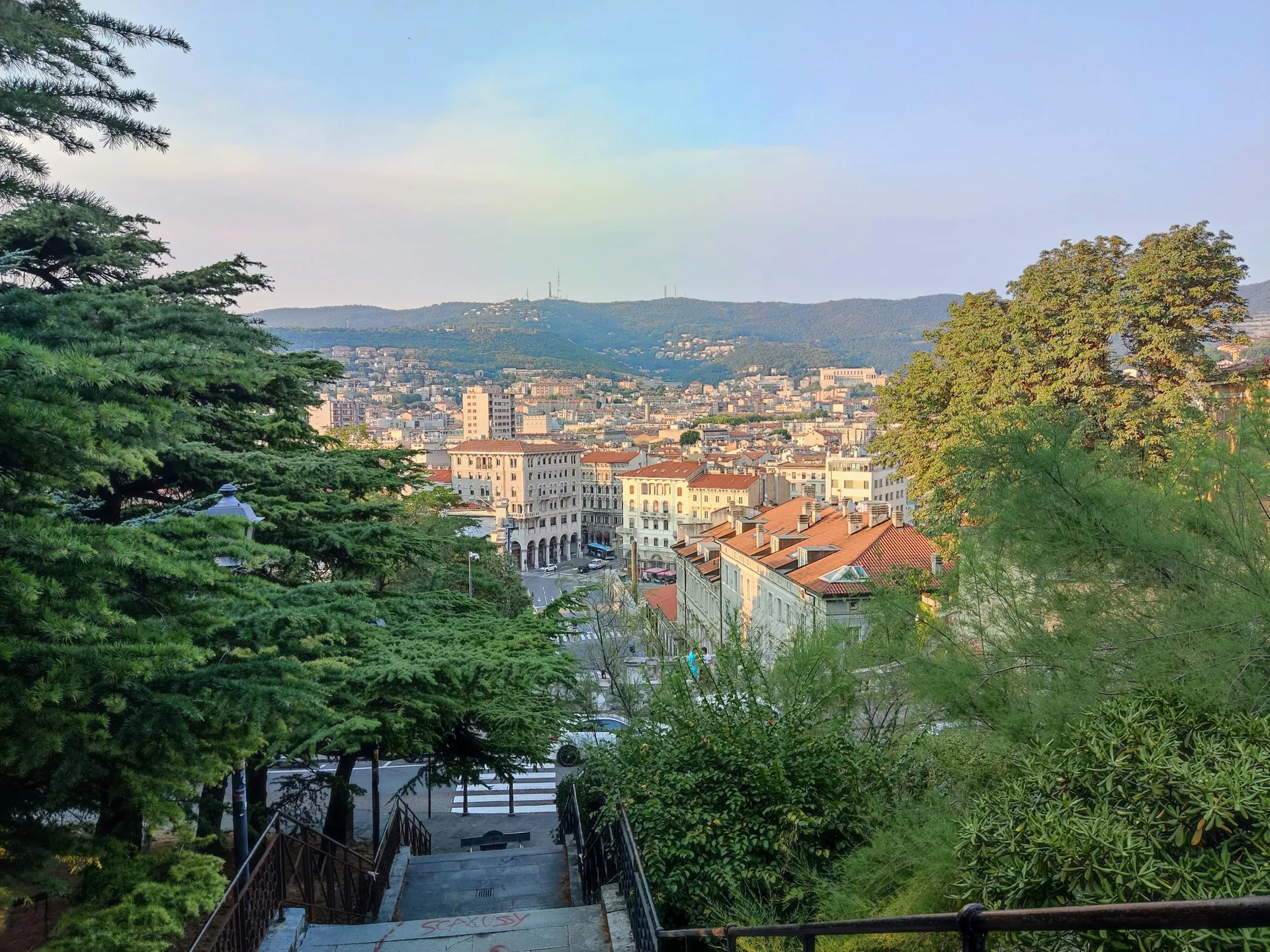
This space is not a manicured pleasure garden designed for aristocratic evening strolls. It is a working scientific repository. The garden terraces step up the hillside, creating a natural amphitheater that traps the sun and breaks the wind. Walking through the gates shifts the sensory experience of the city entirely. The persistent hum of the port fades, replaced by the rustle of dry Karst vegetation and the sharp scent of medicinal herbs baking in the afternoon heat.
Historical Context and Scientific Heritage
The origins of the botanical garden date back to 1828. During this era, Trieste was expanding rapidly as a free port of the Habsburg Empire. Wealth flowed through the docks, bringing exotic goods and fueling an intense local interest in the natural sciences. The city required a dedicated space to study pharmaceutical plants and catalog the unusual flora arriving on merchant ships. The garden began as a modest testing ground and slowly accumulated a vast inventory of species.
Today, the garden operates in direct association with the Civic Museum of Natural History. The two institutions share an academic mission, though they are located in different parts of the city. The botanical colletion is heavily utilized by regional researchers monitoring biodiversity on the surrounding limestone plateaus. If you want to understand the administrative framework and current preservation initiatives governing these municipal sites, the Trieste Municipality Official Portal maintains detailed public records. The garden remains a living archive of our complex environmental history.
Botanical Highlights: Two Distinct Ecosystems
The layout of the Civico Orto Botanico separates plants by origin and utility. The terraced elevation allows botanists to simulate different microclimates, accommodating both local scrubs and delicate foreign imports within a relatively compact footprint.
The Orto dei Semplici
The lower terraces house the Orto dei Semplici. This section maintains the centuries-old European tradition of the apothecary garden. It is strictly organized into geometric beds containing medicinal, aromatic, and toxic plants. You will find extensive varieties of sage, rosemary, mint, and thyme. These are the foundational scents of the Mediterranean coast. Historically, apothecaries relied on these specific plots to compound treatments for the city’s maritime hospitals. The dry, well-drained soil mirrors the natural conditions these herbs require to produce their highly concentrated essential oils.
Karst Flora and the Historic Greenhouse
The upper sections transition abruptly to the wilder flora of the Karst (Carso) plateau. People often wonder how far Trieste is from the Slovenia border. The reality is that the border sits just a few kilometers inland, and the two nations share this rugged, water-starved limestone ecosystem. The garden catalogs the resilient shrubs and wildflowers that manage to survive in the rock fissures above the city. Nearby, a historic glass greenhouse protects tropical and subtropical species that would perish during a winter Bora storm. The Botanical Society of Italy frequently highlights the importance of such localized conservation efforts in border regions.
Visitor Logistics and Seasonal Rhythms
Understanding the seasonal shifts in Trieste is critical for timing your visit. Travelers frequently ask about the best time of year to visit the city. For botanical enthusiasts, the window between April and June offers peak flowering. The Orto dei Semplici is highly active during these months. September brings a completely different atmosphere. The late summer heat triggers the Karst vegetation to change colors, turning the upper terraces into shades of rust and ochre.
Logistical planning requires a bit of attention. The garden is historically free to enter, though seasonal exhibitions occasionally require a small fee. Accessibility is a valid concern. The paths are made of loose gravel and the incline is noticeable. Visitors with mobility issues might find the upper terraces challenging to navigate.
| Visitor Information | Details |
|---|---|
| Address | Via Marchesetti, 2, 34142 Trieste (TS) |
| Standard Opening Hours | Friday to Sunday: 10:00 – 13:00 (April to October) Closed during winter months |
| Admission Fee | Generally Free (Check municipal site for temporary exhibits) |
| Accessibility | Partial. Steep gravel paths on upper terraces. |
| Ideal Visiting Months | April to June (Blooms), September (Foliage) |
Navigating the Terrain: Getting There and Around
A common question among new arrivals is whether Trieste is a walkable city. The historic center, stretching from Piazza Unità d’Italia to the Canal Grande, is entirely flat and easy to navigate on foot. The topography changes aggressively once you move inland. Reaching Via Marchesetti from the sea level involves a long, strenuous uphill walk. Locals do not attempt this hike in the summer heat.
The local bus network is the most efficient method of reaching the garden. Trieste Trasporti operates several lines that stop directly near the entrance. You can verify the current timetables and purchase digital tickets through the Trieste Trasporti official site. For a broader understanding of how to use the local transit system, including ticket validation rules, read our dedicated Practical Info guide.
Before you head into the hills to study the local flora, getting a solid read on the city’s layout is helpful. A Trieste Walking Tour with Audio and Written Guide by a Local provides excellent geographical context. Once you understand how the port relates to the limestone plateau above, the layout of the botanical garden makes much more sense.
Local Tips for the Civico Orto Botanico
The garden demands a slow pace. The elevated position offers striking panoramic views over the Gulf of Trieste, framed by the dark green foliage of the surrounding pines. Because the site is somewhat removed from the standard tourist circuit, it remains incredibly quiet. It is exactly the kind of quiet corner you might want to bring a good book to.
“The true value of the Orto Botanico lies in its silence. While the city below argues over coffee and politics, the terraces offer nothing but the scent of warm sage and the distant sight of the sea.”
There are practical realities to keep in mind. The garden offers zero commercial facilities. There is no café hiding among the trees. You need to bring your own supplies. Visitors frequently ask if you can drink tap water in Trieste. The answer is an emphatic yes. Our municipal water is piped in from alpine sources and is exceptionally cold and clean. Fill your bottles before you arrive.
During the humid months of July and August, the dense vegetation creates a microclimate that attracts insects. If you are prone to bites, applying repellent is a smart precaution, as mosquitoes thrive in the shadowed, well-watered sections of the lower garden. If you are traveling with a dog, municipal regulations require them to be kept on a short leash to protect the sensitive plant beds. The Visit Trieste Official Tourism board publishes seasonal updates regarding pet access in public parks.
A Local Habit: After spending a few hours on the gravel paths, your legs will feel the incline. Walk back down toward the city center and find a traditional pastry shop. Trieste is known for its heavy, complex food, reflecting its Austrian and Slavic roots. Order a slice of putizza—a dense, rolled pastry filled with nuts, chocolate, and rum. It is the traditional dessert of the city and pairs perfectly with a late afternoon espresso.
You should absolutely combine this visit with the Museo Civico di Storia Naturale. The museum contextualizes the plant life you just walked through by detailing the broader geological and zoological history of the region. Exploring both sites back-to-back provides a complete picture of the natural forces that shaped Trieste. For details on the museum and other cultural institutions, consult our Places to Visit directory.