
Museo del Mare
The Center of Our Civic Identity
I spent yesterday morning walking along the waterfront, bracing myself against the early gusts of the Bora wind. You cannot understand Trieste without understanding the water. The Adriatic Sea is the absolute center of our civic identity. We are a city defined by the ships that docked here and the merchants who funded them. The Civico Museo del Mare, or Civic Museum of the Sea, has the physical records of this long relationship. It is an archive of our maritime past, detailing the shift from a modest coastal settlement to the primary port of teh Austro-Hungarian Empire.
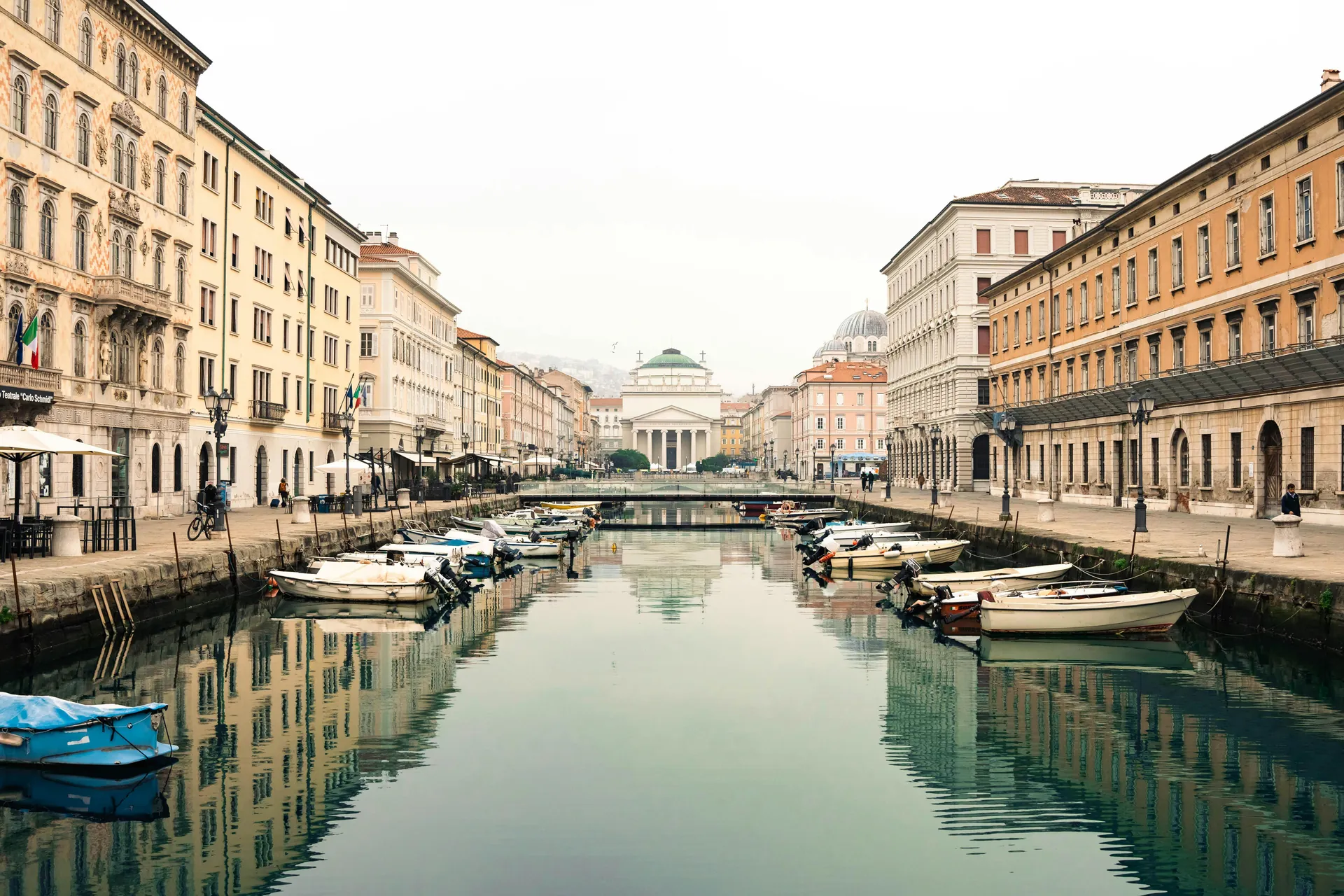
People often ask what makes Trieste special compared to other Italian coastal cities. The answer is our physical geography and our imperial history. The deep water reaches right to the edge of the city squares. Massive vessels dock mere steps from the grand cafes where writers like James Joyce and Italo Svevo once worked. This museum captures that specific atmosphere. It documents the era when Trieste was known as the Emporium of the Mediterranean, a period that funded the grand neoclassical architecture you see in the city center today.
A Gateway to Maritime History
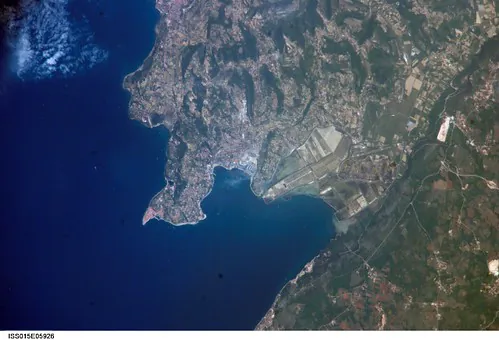
The museum is located near the historic Salone degli Incanti, the beautiful former fish market that sits right at the edge of the water. Its official address is Via di Campo Marzio 5. The surrounding area is part of the massive Porto Vecchio redevelopment zone. The neighborhood is full of old Austro-Hungarian warehouses. The brickwork is weathered. The iron railway tracks still cut across the stone pavements. It is the exact industrial context you should plan to walk around in.
Trieste is a highly walkable city. You can easily navigate the flat waterfront promenade from the central Piazza Unità d’Italia straight to the museum’s neighborhood. Once inside the building, the collection opens with the earliest days of Adriatic navigation. The ground floor holds a dense archive of antique maritime tools. You see astrolabes, early compasses, and complex sextants. The cartography section is particularly strong. The museum has a rare collection of nautical charts and portolans dating back to the 18th and 19th centuries. These maps show the Mediterranean not as a barrier, but as a vast highway of trade.
The age of sail occupies a significant portion of the exhibition space. The transition from wood to steel is documented in extreme detail. Scale models of merchant ships fill the rooms. These models are precise engineering documents. Shipwrights used them to secure funding from the Lloyd Austriaco, the massive shipping company that controlled trade out of Trieste. You can study the rigging, the hull shapes, and the evolution of naval architecture. The collection includes both commercial freighters and the heavily armored warships of the imperial navy.
Highlights of the Collection
The Marconi Connection
Guglielmo Marconi changed global communication forever. He used his private yacht, the Elettra, as a mobile laboratory. The museum holds crucial remnants and original documentation from this vessel. You can see the equipment Marconi used for his blind navigation experiments. He successfully guided the ship through the harbor in the Gulf of Tigullio using only radio signals, proving the viability of wireless telegraphy for maritime safety. The exhibit strips away the myth and shows the raw, heavy machinery required for these early breakthroughs.
The Trieste Bathyscaphe
Although it shares its name with the city, the original Trieste bathyscaphe is not housed in this building. Designed by the Swiss physicist Auguste Piccard and built in Italy, this deep-sea submersible made history in 1960. It reached the bottom of the Challenger Deep in the Mariana Trench, descending 10,911 meters below the surface of the Pacific Ocean. Standing next to the heavy pressure sphere at the National Museum of the United States Navy in Washington, D.C. is a humbling experience. The metal is incredibly thick. The observation window is tiny. It is a pure piece of functional engineering that pushed human beings into the deepest, darkest part of the planet.
Standing next to the heavy pressure sphere of the Trieste bathyscaphe at the National Museum of the United States Navy is a humbling experience. It is a pure piece of functional engineering that pushed human beings into the deepest part of the planet.
Local Traditions and Education
The maritime history here often overlaps with the seafaring traditions of the broader Istrian coastline. We are only a few kilometers from the Slovenian border, and the museum reflects this cross-cultural exchange. Local shipbuiding defined the economy of the upper Adriatic for generations. The exhibits outline traditional fishing techniques and the construction of wooden boats like the batana and the bragagozzo. These were the working vessels of the local fishermen, designed specifically for the shallow lagoons and sudden storms of the gulf.
This history is a direct line to the modern sailing culture of the city. Every October, the gulf fills with thousands of sails for the Barcolana. It is the largest sailing race in the world. The museum provides the historical context for that local obsession. We grow up watching the boats, and the museum explains how that culture developed. There are interactive elements designed for younger visitors, explaining buoyancy, wind dynamics, and basic navigation. I notice the school groups always gravitate toward the deep-sea exploration modules and the large mechanical pulleys.
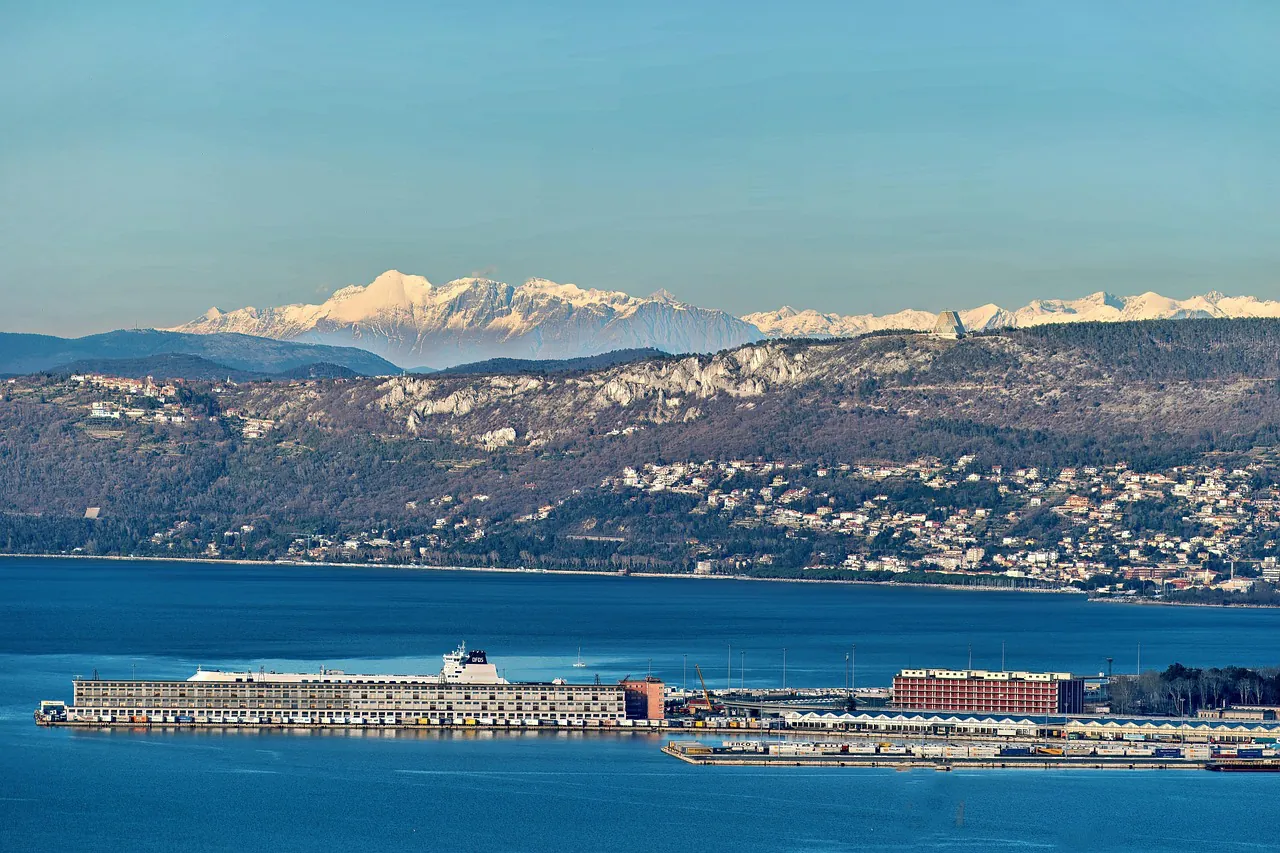
💡 Explore Magazzino 26 and Porto Vecchio with a Guide
Want to understand the deep history of Magazzino 26 and the surrounding Austro-Hungarian port? Take the Free Walking Tour of Trieste’s Old Port led by local historian Zeno, which includes an interior visit to the museum.
Visitor Information
Planning your visit requires a quick look at the logistics. The museum is a civic institution, meaning it follows the standard municipal schedule. Entry is straightforward, and the facility is fully wheelchair accessible. The staff are knowledgeable and can answer specific questions about the ship models or the Marconi equipment.
| Category | Details |
|---|---|
| Standard Entry Fee | Free |
| Free Entry | Always free |
| Opening Hours | Typically Thursday to Sunday, 10:00 AM to 5:00 PM (hours may vary seasonally) |
| Accessibility | Wheelchair accessible via ramps and elevators |
| Official Site | museodelmaretrieste.it |
Practical Tips and Nearby Exploration
I recommend visiting the museum in the morning. The light off the water is sharp, and the crowds are thin. You have the quiet space to actually read the logbooks and study the intricate rigging of the models. Afterward, you can walk down to the Molo Audace. This long stone pier stretches out into the gulf and gives you a panoramic view of the city rising up into the hills. It is the best place to see the modern maritime traffic moving in and out of the commercial port.
If you have a free afternoon after the museum, head up to the Carso plateau. Look for a branch hanging over a doorway indicating an osmiza is open. It is the traditional way to end a day in Trieste, drinking local Vitovska wine and eating cured meats overlooking the gulf.
The city changes depending on the season, so it is wise to check the local conditions before you head out. The wind can be intense in the winter months, while the summer brings severe heat. You can monitor the current conditions below to plan your walk along the waterfront.
For those interested in the broader urban changes happening around the museum, the Porto Vecchio Redevelopment Project details the ongoing transformation of the old harbor. If you time your visit for October, you will want to check the Barcolana Regatta Official Site for event schedules. You can also find broader civic information on the Trieste Municipality Official Site. To explore more of the city’s historical sites, read our complete guide to places to visit in Trieste, or look into specific walking tours that cover the old port area.
To connect the history inside the museum with the living city outside, consider booking a local experience. The tours below focus on the cultural and historical fabric of Trieste, giving you a structured way to navigate the streets and the coastline.

Trieste Walking Tour with Audio and Written Guide by a Local
⭐ Trieste Experience
🔥 High demand: 16 people viewed today

Postojna Cave & Predjama Castle – Small Group Tour from Trieste
⭐ Postojna Experience
🔥 Free cancellation for flexible planning

Trieste Bus Tour with Audio Guide
⭐ Trieste Experience
🔥 Over 217 reviews – Verified quality

Reserve Entrance to Milan Cathedral, Duomo, Archeological Area
⭐ Reserve Experience
🔥 Instant confirmation after booking

Trieste Private Walking Tour with a Local
⭐ Trieste Experience
🔥 Bestseller in 2026

Trieste Cultural Walking Tour
⭐ Trieste Experience
🔥 Likely to sell out soon!