
Miramare Castle
The White Jewel of the Gulf

I am sitting at Caffè San Marco with a capo in b (a mini cappuccino served in a glass, as we say in Trieste) thinking about the sheer audacity of Miramare Castle. The sharp Bora wind whips across the water outside. It is the kind of wind that clears your mind and strips away the superficial. This same wind hits the white Istrian stone of the castle every single winter. Miramare is the absolute focal point of our coastline. You look out over the Adriatic and there it is. The building commands the rocky promontory Archduke Ferdinand Maximilian fell in love with.
Travelers often ask if Trieste is worth going out of the way for. The answer is always found standing on the edge of this specific coastline. People frequently debate whether Venice or Trieste is better for an Italian coastal escape. Venice has the undeniable canal romance, but Trieste has expansive space and an intellectual quietness that Miramare perfectly represents. We are a city suspended between the Mediterranean and Central Europe.
Historical Context and Architecure
The story of Miramare is fundamentally a tragedy of ambition. Archduke Ferdinand Maximilian of Austria commissioned the project between 1856 and 1860. He wanted a quiet retreat away from the strict protocol of the Vienna court, a place where he could distance himself from his brother, Emperor Franz Joseph. Architect Carl Junker executed this vision. The result is a highly specific blend of Eclectic and Neo-Medieval influences. The structure does not belong to a single era. It is a romanticized interpretation of historical fortresses.
Maximilian later became the Emperor of Mexico and faced a firing squad before he could fully grow old in his creation. The Habsburg legacy is still the defining cultural undercurrent in Trieste. You can find comprehensive archival details regarding his original architectural commission on the official Miramare Museum website. The white limestone comes directly from nearby Istria, giving the castle its stark, unyielding color against the sea.
Inside the Castle
The ground floor is a direct reflection of Maximilian and his wife Charlotte. The private quarters mimic the interior of a naval ship. Maximilian was a commander in the Austrian Navy. His personal study is an exact replica of his cabin on the SMS Novara, the frigate that circumnavigated the globe on a scientific expedition. The ceilings are low and paneled in dark wood. The rooms feel intimate and strictly functional.
You move up to the first floor and the atmosphere shifts entirely. The Throne Room is an exercise in extreme opulence. Red silk covers the walls. The ceilings are heavy with gilded ornaments. This space was designed for imperial receptions that rarely happened. To fully grasp the local history, many visitors book a Panoramic Tour of Trieste and Miramare Castle. This kind of contextual walkthrough clarifies the complex political shifts of the 19th century.
The Park and Stables
The castle is only half of the equation. The surrounding Miramare Park covers 22 hectares of the headland. Maximilian was an obsessive botanist. He transformed a barren rock into an experimental botanical garden. The original landscape was a harsh extension of the Karst plateau. Maximilian ordered tons of fertile soil imported from the surrounding regions of Styria and Carinthia.
The park has cedars of Lebanon alongside giant sequoias. The pathways wind through English-style landscapes and formal Italian geometries. At the edge of the property are the Castle Stables. Junker designed these buildings with the same eclectic motifs as the main residence. They now function as a rotating exhibition space. Walking through these shaded gardens is a daily ritual for many locals.
Nature and Legend
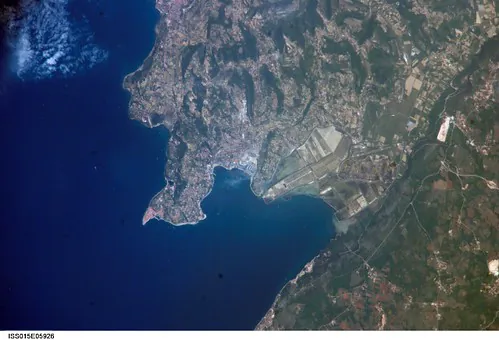
The immediate waters around the promontory are part of the Riserva Marina di Miramare. Established in 1986, this 30-hectare protected zone is an essential sanctuary for local marine life. You can learn about the specific conservation efforts through the WWF Marine Reserve Miramare portal. The water here is remarkably clear. You will often see cormorants diving near the rocky breakwaters.
The beauty of the area is always weighed against the famous legend of the curse. Local folklore insists that anyone who sleeps in the castle will suffer a violent death away from home. Maximilian was executed in Mexico. Archduke Franz Ferdinand spent time here before his assassination in Sarajevo. Amedeo, Duke of Aosta, lived in Miramare before dying in a British prisoner-of-war camp during World War II. The stories add a heavy, melancholic layer to the bright white stone.
Visitor Information
| Category | Details |
|---|---|
| Opening Hours | Daily 9:00 AM – 7:00 PM (Always verify seasonal closures) |
| Standard Ticket | €12.00 (Castle access) |
| Reduced Ticket | €2.00 (EU citizens 18-25) |
| Accessibility | Park is largely wheelchair accessible; the castle has limited elevator access due to historical preservation constraints. |
Getting There and Pro-Tips
Reaching Miramare from the city center is straightforward. You can take Bus 6 from the central station. The ride follows the coastline and takes about twenty minutes. During the summer months, the Delfino Verde boat service connects Molo Bersaglieri to the nearby Grignano pier. Arriving by sea is the absolute best way to approach the castle. You can check current bus and ferry schedules on the Trieste Trasporti website. If you are driving, be aware that parking is incredibly limited near the main gates. We have extensive guides on local transit on our Practical Info page.
My strongest advice is to visit the park at 8:00 AM before the castle doors open. The light is soft, the tour groups are still eating breakfast, and you have the pathways largely to yourself.
Elena Valli
A perfect day in Trieste usually starts with an early visit to Miramare followed by a late seafood lunch in Grignano. Many travelers ask if Trieste is a walkable city. The historic center is very flat and entirely pedestrian-friendly. Miramare is about eight kilometers from Piazza Unità d’Italia. You can walk it if you want a long continuous seaside promenade, but most people prefer the bus for the outbound trip. Another common question is whether you can drink tap water in Trieste. Yes, the water is cold and perfectly safe. Bring a reusable bottle to fill up before your walk through the extensive gardens.
The best time of year to visit Trieste is late spring or early autumn. The summer heat can make the uphill walks in the park quite demanding, and the winter Bora wind can make the coastline bitterly cold.
Nearby Attractions
Barcola Promenade
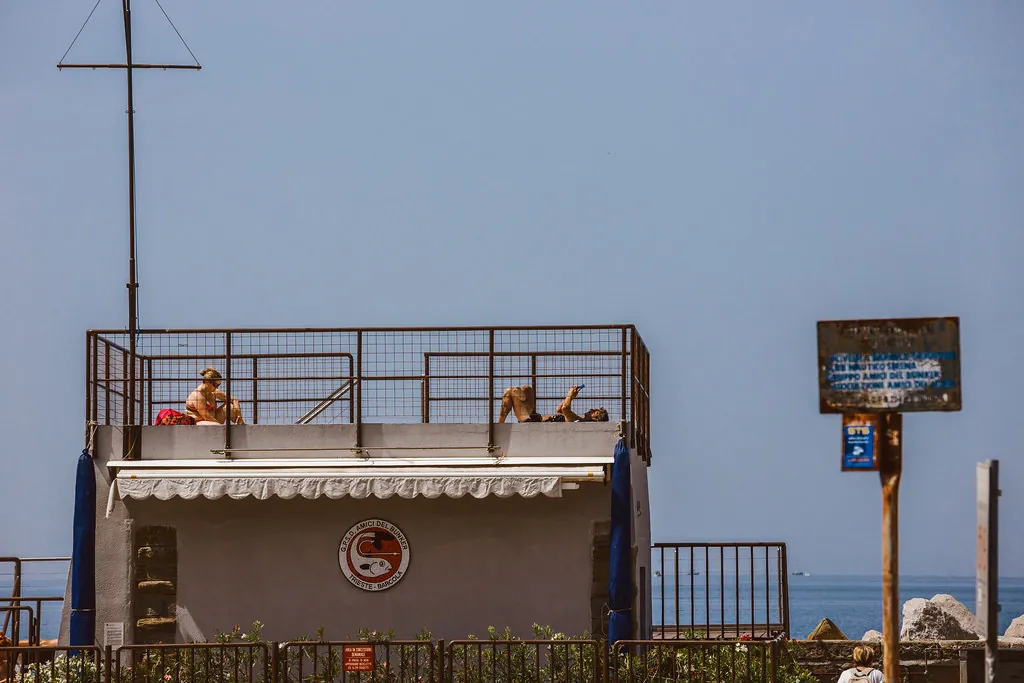
The walk back toward the city takes you along the Barcola promenade. This is where the entire city comes to sunbathe on the concrete terraces during the summer. There are no sandy beaches here. We just lay our towels directly on the stone slabs. It is a highly democratic summer ritual. Pine trees line the path and offer substantial shade. You will pass numerous small kiosks selling cold drinks and local gelato.
Grignano Harbor
Just past the castle is the small marina of Grignano. It is a quiet bay filled with local fishing boats and small yachts. There are a few excellent, understated seafood restaurants right on the water. It is the logical place to stop for lunch after a morning exploring the park. If you want to drive up into the Karst plateau above the harbor, you can find a local osmiza. These are pop-up farmhouses selling their own wine and local cheeses. They are the absolute essence of Triestine culture.
Why Miramare Matters
Miramare is much more than a 19th-century residence. It is the visual anchor of Trieste. The building contains our history of imperial ambition and a deep connection to the sea. You cannot understand this city without walking through those heavy wooden doors. The contrast between the rigid military aesthetics of the ground floor and the wild, sprawling botany of the park tells you everything you need to know about Maximilian. When you finish your visit, you can explore the rest of our architectural heritage on our Places to Visit page or find specific guided routes on our Top Activities guide.